



Antarctic · From 15 Days
Essential Patagonia
Chilean Fjords and Torres del Paine
Starts from $17,070 USD
$13,701 USD
-

-

-

Join our expert Expedition Team for Zodiac cruising adventures.
-

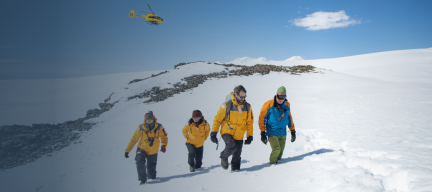
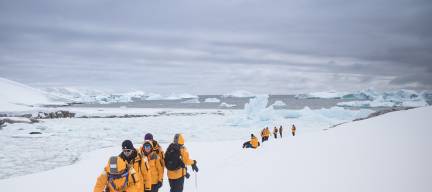
Hike through one of the most stunning wilderness areas in South America.
-

A humpback whale spotted in the West Strait of Magellan at Paso Shag.
-
- Starting from
- Buenos Aires, Argentina
- Ships
- Ultramarine
- Departures
- 3 Departures between March 2027 to April 2029
From $17,070 USD
$ 13,701 USD
Join our expert Expedition Team for Zodiac cruising adventures.
Hike through one of the most stunning wilderness areas in South America.
A humpback whale spotted in the West Strait of Magellan at Paso Shag.

Stay on the look out for guanacos, an animal closely related to the llama.

Witness a diversity of wildlife, from Magellanic penguin colonies and other seabirds to South American sea lions and southern elephant seals (pictured).

Explore multiple landing sites in Patagonia! Pictured: Capella Glacier at Santa Ines Island in the West Strait of Magellan.

Early morning light reflects off the spiky mountain peaks of Cuernos del Paine at Torres del Paine National Park, Chile.

A guest takes in the panoramic views at Torres del Paine National Park, Chile.

If sea and weather conditions allow, you may go ashore for a hike out to the lighthouse and the albatross-shaped monument honoring the many mariners who lost their lives attempting to “round the Horn.”

Marinelli Glacier at Alberto de Agostini National Park, Isla Grande de Tierra del Fuego.

Guests participate in our Sea Kayaking Program led by expert guides.

Explore rocky landscapes while Zodiac cruising in the southern most areas of South America.

Weather permitting, you'll be able to hike up to this iconic landmark on Cape Horn.

King Penguin Park, the only colony of king penguins in Latin America.

Magellanic penguins at Tucker Islets in Whiteside Channel, Patagonia.

Get a completely different perspective of your surroundings in your included flightseeing experience onboard one of two twin-engine helicopters onboard Ultramarine.

A photo of Runeberg Glacier in Auer Fjord.

Dozens of South American sea lions gather on a rock formation at Tucker Islets in the Whiteside Channel.

Southern rockhopper penguins spotted at Parry Fjord entrance, in Almirantazgo Sound.
Expedition Overview
The vast scale of Chilean Patagonia can be daunting for travelers, but our 15-day Essential Patagonia: Chilean Fjords and Torres del Paine overcomes those challenges with a ship-based journey supported by two twin-engine helicopters and 20 quick-deploy Zodiacs. Retrace Darwin’s voyage to the “edge of the world” as you navigate remote fjords and channels, helicopter flightsee above dramatic peaks and tidewater glaciers, and Zodiac cruise along Patagonia’s enchanting coastlines. Encounter guanacos, Magellanic penguins, sea lions, elephant seals, and seabirds while experiencing one of the planet’s most spectacular frontiers.
Highlights
Encounter iconic wildlife, such as Magellanic penguins, sea lions and seabirds
Experience some of the world’s most remote glacial and fjord systems, including Glacier Alley
Retrace Darwin’s route through the Beagle Channel and learn about the storied history of southern Chile
Cruise in a Zodiac for a unique perspective of glaciers, fjords and channels
Enjoy helicopter flightseeing from Ultramarine for a unique perspective of the landscape
Select Your Season & Itinerary
Select Season
Buenos Aires, Argentina
15 Days · Ultramarine
Starts from $13,851 USD
Buenos Aires, Argentina
15 Days · Ultramarine
Starts from $19,021 USD
Buenos Aires, Argentina
15 Days · Ultramarine
Starts from $13,701 USD
Select Itinerary
Buenos Aires, Argentina
15 Days · Ultramarine
Starts from $13,851 USD
Buenos Aires, Argentina
15 Days · Ultramarine
Starts from $19,021 USD
Buenos Aires, Argentina
15 Days · Ultramarine
Starts from $13,701 USD
15 Days – From Buenos Aires, Argentina on Ultramarine (Season 2026.27)
Day By Day & Map
-
Day 1
Arrive in Buenos Aires, Argentina
Upon arriving in this splendid city, known for its architecture and rich European heritage, you will independently transfer to your group hotel (pre-expedition hotel night included in mandatory transfer package).
-
Day 2
Fly to Ushuaia and Embark
After an early breakfast at the hotel, the group will transfer to the airport and board our private charter flight to Ushuaia, Argentina. Upon arrival, you will be transferred from the airport to a central downtown location to have some time on your own to explore this quaint port town before meeting the bus (at a designated location) to be transferred to your ship. After a late afternoon embarkation, you will sail along the historic Beagle Channel, which transects the Tierra del Fuego archipelago in the extreme south of South America.
-
Day 3
Cape Horn
As we begin our exploration of Chile’s southern extent, expect a new adventure every day. Though each expedition will be different, depending on the weather, we aim to start our journey to the “edge of the earth” with a visit to historic Cape Horn (Cabo de Hornos). At the southernmost point of the Tierra del Fuego (“Land of Fire”) archipelago, this steep, rocky headland on Hornos Island marks the northern boundary of the famous Drake Passage, where the Atlantic and Pacific Oceans meet. From the 1700s to the early 1900s, prior to the opening of the Panama Canal, this cape was part of a major global trade route. IMPORTANT REMINDER If sea and weather conditions allow, you may go ashore for a hike out to the lighthouse, the tiny Stella Maris (“Star of the Sea”) Chapel, and the albatrossshaped monument honoring the many mariners who lost their lives attempting to “round the Horn.” Atop the windswept promontory, pause for a moment to take in the panoramic view and to enjoy the peaceful solitude that can only be found at one of the most southern stretches of land in the world.
-
Day 4 & 5
Pia and Garibaldi Glaciers, Glacier Alley
As our ship sails north toward the southern edge of Tierra del Fuego, stimulating presentations by your Expedition Team will enrich your knowledge of the glacial systems, geology, environment, wildlife and storied history of the region as you retrace Charles Darwin’s historic journey through the Beagle Channel, a 150-mile (240 km) strait separating Tierra del Fuego’s main island from several smaller islands. Named after Captain Robert FitzRoy’s famous ship on which Charles Darwin was a young naturalist, the channel presents plenty of photo ops to capture seabirds hovering overhead and dramatic vistas of jagged-peaked mountains and glaciers. Rugged and untouched, this magnificent landscape is as starkly beautiful as it was when Darwin first laid eyes on it in 1833. What he experienced in this region would later help him form his then controversial theory on evolution by natural selection. Glacier Alley (as it’s nicknamed) is one of the most spectacular ship passages in Tierra del Fuego. The glaciers’ names honor the European countries that first explored the region: España (Oblicuo), Romanche, Alemania (Roncagli), Francia, Italia, and Holland Glaciers. Situated within the protected boundary of Alberto de Agostini National Park, both Pia and Garibaldi Glaciers sit at the head of picturesque, often ice-choked f jords that offer guests jaw-dropping views. Located within the Cordillera Darwin (Darwin Mountain Range), the impressive Pia Glacier extends from the soaring mountaintops down into the sea. A short hike to a lookout point provides superb vistas of the glacier and mountains. Surrounded by pristine sub-Antarctic forests, Garibaldi Glacier flows from a separate mountain, providing equally exceptional views, with the Darwin Mountains rising dramatically out of the fjord. We can explore this area by Zodiac, and include a visit to a beautiful glacial waterfall nearby. As we navigate the fjords, your Expedition Team will keep watch for Andean condors, massive birds whose wing span is second only to the wandering albatross.
-
Day 6
Dainelli (Aguila) Glacier
Located at the end of a tranquil lagoon surrounded by lush sub-Antarctic forests in Agostini Sound, Dainelli Glacier (sometimes called Aguila— Spanish for “Eagle” Glacier) is a unique sight, as it appears to flow over rolling hills rather than mountains. Cruising aboard a Zodiac toward the blue-tinged ice, conditions permitting, you will be humbled by the wonder of nature’s power. We hope to venture ashore for an easy hike along the beach to get a more intensive look at the glacier and surrounding mountains.
-
Day 7
Cruising the Chilean Fjords
Continuing north, we’ll navigate through a remote network of coastal f jords and channels, including time spent venturing out into the Pacific Ocean. Your Expedition Team will prepare you for the adventures that await, helping you further understand the glacial systems, as well as the f lora and fauna that can be found in this part of Chile. Take a moment, as we glide past soaring snow-capped peaks, to contemplate the indigenous peoples who thrived here for thousands of years and the mariners of early European exploration who traveled these same sheltered passageways, and were rewarded with the same wondrous sights.
-
Day 8 & 9
Puerto Natales and Torres del Paine National Park
Sailing the turquoise waters of the extraordinary stretch of coastline leading to the small port of Puerto Natales, we’ll meander through a mesmerizing maze of deep, windswept fjords, narrow channels and isolated bays, with an eye toward the rugged landscape, unique wildlife and impressive glaciers that tumble from the towering mountains into the icy waters below, along with the imperial and king cormorants, South American terns, black-necked swans and southern wigeons (Chiloé wigeons) that frequent the fjords. Torres del Paine National Park is one of the most stunning wilderness areas in South America, and Puerto Natales is the gateway. This enormous park is a UNESCO Biosphere Reserve, so designated for both its natural wonders and ancient human history, and named for the three granite peaks that tower above the glacier-fed lakes. Enjoy a day of hiking, and exploration aboard chartered buses tailored to your preferred activity level with lookouts in the park, followed by traditional Patagonian cuisine in the afternoon. Taking our expedition onto dry land for another full day, we will also visit a working Patagonian estancia (“ranch”), founded in 1891 by Scottish immigrants. Here you will learn about Patagonian sheep farming in a historic pastoral setting. You may be lucky enough to spot in the surrounding grasslands wildlife such as ostrich-like rhea, and guanacos, a wild relative of the domestic llama. Complete your cultural experience with a lunch of barbecued lamb al palo (“on a stick”), and return to the ship in the early evening.
-
Day 10
Canal de las Montanas
Cruising the pristine waters of the Canal de las Montañas (“Channel” or “Fjord of the Mountains”) will leave you breathless. You’ll be awed by the amazing series of waterfalls cascading down between the jagged peaks that rise up sharply on either side of the narrow, 41-mile (66 km) long channel dotted with glaciers, five of which spill dramatically into the water. Here, impressive ice fields glisten in the distance, and steeply sloped glaciers exceed elevations over 8,235 feet (2,510 meters). The channel also provides an ideal place to put our Zodiacs in the water for more detailed exploring or the chance to go ashore for a hike to scenic viewpoints. If you’re feeling more adventurous, perhaps you’ll treat yourself to an optional kayaking excursion (extra cost), an exceptional opportunity to experience the channel from a unique perspective.
-
Day 11
Tuckers Islets
A series of small islands and rocky outcrops in Almirantazgo Sound (“Admiralty Sound”), a fjord off the Strait of Magellan, Tuckers Islets is a superb location for viewing penguins. Though landing here is prohibited to protect the fragile nesting habitat, a Zodiac excursion will take you near a pebble beach to view a colony of 4,000-plus breeding Magellanic penguins, conditions permitting. Named for Portuguese explorer Ferdinand Magellan, whose crew sighted the charming creatures in 1520 during the f irst circumnavigation of the globe, the species is native to the region, and the sight of them in their burrows, lounging on the beach or waddling in and out of the water, is one you won’t forget. If we’re fortunate, we may also see Chilean skuas, Magellanic cormorants (rock shags), imperial cormorants (king shags), oystercatchers, kelp geese, or even dolphins.
-
Day 12
Ainsworth Bay
Continuing our exploration of Almirantazgo Sound, we plan to explore ashore at Ainsworth Bay, one of the most picturesque and pristine places in Patagonia. Surrounded by untouched sub-Antarctic forest, this isolated bay is a protected area within the border of Alberto de Agostini National Park. It hosts abundant birdlife, so you’ll want to keep your eyes peeled as we cruise in the Zodiacs. Hiking options will be available for all fitness levels, affording panoramic views of Marinelli Glacier, Marinelli Fjord and the surrounding Darwin mountain range.
-
Day 13
Bahia Brookes
Another excellent spot for glacier exploring in Almirantazgo Sound is Bahia Brookes (Brookes Bay), where, conditions permitting, we’ll go ashore by Zodiac. The bay offers ample chances for closer views of a number of waterfalls and glaciers, including the calving North Brookes Glacier, set against the breathtaking backdrop of the towering Darwin mountain range. Amid the serene silence of this icy wonderland, the only sound you may hear is the powerful roar of ice breaking off and crashing into the frigid waters below. This is also a great location for viewing ice fall deposits, which form reconstituted glaciers, and kame (silt and sediment deposits).
-
Day 14
Marta Island
In the middle of the Strait of Magellan, Marta Island (Isla Marta) is home to abundant birdlife and more than one thousand Patagonian (South American) sea lions. To protect the wildlife, shore landings are not possible here, but we do plan to circumnavigate the island, providing numerous opportunities to observe and photograph the colony from a short distance, in the comfort of a Zodiac. Called lobos marinos (“sea wolves”) by local Chileans, these giant pinnipeds—males can weigh over 700 pounds/320 kg—form quite a noisy group as each sea lion vies for a choice spot of coastline. As you cruise by, sightings of imperial cormorants, skuas, southern gulls, snowy sheathbill—and if we’re lucky, dolphins—are also possible.
-
Day 15
Disembark in Punta Arenas and flight to Santiago
After an adventurous two weeks of exploration, you’ll say goodbye to your Expedition Team and disembark in Punta Arenas, to be transferred to the airport for your charter flight to Santiago, where you are welcome to continue on your own travels or connect to your homeward flights.

What’s Included & Excluded
- One 10- to 15-minute helicopter flightseeing excursion (weather and logistics permitting)
- An official Quark Expeditions parka to keep
- Leadership throughout your voyage by our experienced Expedition Team, including shore landings and other activities
- All Zodiac transfers and cruising as per the daily program
- All shore landings as per the daily program
- Shipboard accommodation with daily housekeeping
- All meals, snacks, soft drinks and juices on board throughout your voyage. Please inform us of any dietary requirements as far in advance as possible. Unfortunately, the ships’ galleys cannot prepare kosher meals
- Free beer, standard wines, spirits, and cocktails during bar service hours and dinner
- Complimentary coffee, tea and cocoa available around the clock
- Formal and informal presentations by our Expedition Team and guest speakers as scheduled
- A photographic journal documenting your expedition
- A pair of waterproof expedition boots on loan for landings and Zodiac cruising excursions
- Hair dryer and bathrobes in every cabin
- Complimentary Wi-Fi service on one device permitting basic Internet browsing, email, posting on social media and voice applications. (Premium packages are available for more data-intensive applications.)
- All miscellaneous service taxes and port charges throughout the program
- All luggage handling aboard the ship
- Torres del Paine National Park entrance fee and ground transfers
- Estancia visit and ground transfers
- Lunches ashore during Puerto Natales/Torres del Paine excursion days
- International airfare
- Passport and applicable visa expenses
- Government arrival and departure taxes not mentioned
- Meals unless otherwise specified
- Baggage, cancellation, interruption and medical travel insurance—strongly recommended
- Excess-baggage fees on international flights
- Mandatory waterproof pants for Zodiac landing and cruising excursions, or any other gear not mentioned
- Laundry, bar, spa services and other personal charges, unless specified
- Phone charges may vary by location
- Our basic complimentary Wi-Fi service does not include Premium packages which enable more data-intensive applications
- Voluntary gratuity at the end of the voyage for expedition staff and shipboard crew
- Additional overnight accommodation
- Arrival and departure transfers, except where explicitly stated
- Adventure Options not listed in Included Activities.
Charter Flight and Hotel Package
Package valued at $1,295 USD is included in the expedition
- One night’s pre-expedition hotel accommodation in Buenos Aires with breakfast (Note: The number of guests per room is the same as cabin occupancy on the ship. Due to limited availability, travelers who reserve a suite on board are accommodated in standard rooms at the hotel. Triple rooms may not be available.)
- Group transfer from hotel to airport in Buenos Aires
- Group flight departing from Buenos Aires’ domestic airport (Aeroparque/AEP) to Ushuaia, and returning to Santiago International Airport (SCL)
- Group transfer from Ushuaia airport to the ship, and from ship to Punta Arenas airport (Note: Transfer on arrival in Buenos Aires from airport to hotel at the beginning of the journey is not included. Please make your way to the included hotel.)
15 Days – From Buenos Aires, Argentina on Ultramarine (Season 2026.27)
15 Days – From Buenos Aires, Argentina on Ultramarine (Season 2026.27)
-
Day 1
Arrive in Buenos Aires, Argentina
Upon arriving in this splendid city, known for its architecture and rich European heritage, you will independently transfer to your group hotel (pre-expedition hotel night included in mandatory transfer package).
-
Day 2
Fly to Ushuaia and Embark
After an early breakfast at the hotel, the group will transfer to the airport and board our private charter flight to Ushuaia, Argentina. Upon arrival, you will be transferred from the airport to a central downtown location to have some time on your own to explore this quaint port town before meeting the bus (at a designated location) to be transferred to your ship. After a late afternoon embarkation, you will sail along the historic Beagle Channel, which transects the Tierra del Fuego archipelago in the extreme south of South America.
-
Day 3
Cape Horn
As we begin our exploration of Chile’s southern extent, expect a new adventure every day. Though each expedition will be different, depending on the weather, we aim to start our journey to the “edge of the earth” with a visit to historic Cape Horn (Cabo de Hornos). At the southernmost point of the Tierra del Fuego (“Land of Fire”) archipelago, this steep, rocky headland on Hornos Island marks the northern boundary of the famous Drake Passage, where the Atlantic and Pacific Oceans meet. From the 1700s to the early 1900s, prior to the opening of the Panama Canal, this cape was part of a major global trade route. IMPORTANT REMINDER If sea and weather conditions allow, you may go ashore for a hike out to the lighthouse, the tiny Stella Maris (“Star of the Sea”) Chapel, and the albatrossshaped monument honoring the many mariners who lost their lives attempting to “round the Horn.” Atop the windswept promontory, pause for a moment to take in the panoramic view and to enjoy the peaceful solitude that can only be found at one of the most southern stretches of land in the world.
-
Day 4 & 5
Pia and Garibaldi Glaciers, Glacier Alley
As our ship sails north toward the southern edge of Tierra del Fuego, stimulating presentations by your Expedition Team will enrich your knowledge of the glacial systems, geology, environment, wildlife and storied history of the region as you retrace Charles Darwin’s historic journey through the Beagle Channel, a 150-mile (240 km) strait separating Tierra del Fuego’s main island from several smaller islands. Named after Captain Robert FitzRoy’s famous ship on which Charles Darwin was a young naturalist, the channel presents plenty of photo ops to capture seabirds hovering overhead and dramatic vistas of jagged-peaked mountains and glaciers. Rugged and untouched, this magnificent landscape is as starkly beautiful as it was when Darwin first laid eyes on it in 1833. What he experienced in this region would later help him form his then controversial theory on evolution by natural selection. Glacier Alley (as it’s nicknamed) is one of the most spectacular ship passages in Tierra del Fuego. The glaciers’ names honor the European countries that first explored the region: España (Oblicuo), Romanche, Alemania (Roncagli), Francia, Italia, and Holland Glaciers. Situated within the protected boundary of Alberto de Agostini National Park, both Pia and Garibaldi Glaciers sit at the head of picturesque, often ice-choked f jords that offer guests jaw-dropping views. Located within the Cordillera Darwin (Darwin Mountain Range), the impressive Pia Glacier extends from the soaring mountaintops down into the sea. A short hike to a lookout point provides superb vistas of the glacier and mountains. Surrounded by pristine sub-Antarctic forests, Garibaldi Glacier flows from a separate mountain, providing equally exceptional views, with the Darwin Mountains rising dramatically out of the fjord. We can explore this area by Zodiac, and include a visit to a beautiful glacial waterfall nearby. As we navigate the fjords, your Expedition Team will keep watch for Andean condors, massive birds whose wing span is second only to the wandering albatross.
-
Day 6
Dainelli (Aguila) Glacier
Located at the end of a tranquil lagoon surrounded by lush sub-Antarctic forests in Agostini Sound, Dainelli Glacier (sometimes called Aguila— Spanish for “Eagle” Glacier) is a unique sight, as it appears to flow over rolling hills rather than mountains. Cruising aboard a Zodiac toward the blue-tinged ice, conditions permitting, you will be humbled by the wonder of nature’s power. We hope to venture ashore for an easy hike along the beach to get a more intensive look at the glacier and surrounding mountains.
-
Day 7
Cruising the Chilean Fjords
Continuing north, we’ll navigate through a remote network of coastal f jords and channels, including time spent venturing out into the Pacific Ocean. Your Expedition Team will prepare you for the adventures that await, helping you further understand the glacial systems, as well as the f lora and fauna that can be found in this part of Chile. Take a moment, as we glide past soaring snow-capped peaks, to contemplate the indigenous peoples who thrived here for thousands of years and the mariners of early European exploration who traveled these same sheltered passageways, and were rewarded with the same wondrous sights.
-
Day 8 & 9
Puerto Natales and Torres del Paine National Park
Sailing the turquoise waters of the extraordinary stretch of coastline leading to the small port of Puerto Natales, we’ll meander through a mesmerizing maze of deep, windswept fjords, narrow channels and isolated bays, with an eye toward the rugged landscape, unique wildlife and impressive glaciers that tumble from the towering mountains into the icy waters below, along with the imperial and king cormorants, South American terns, black-necked swans and southern wigeons (Chiloé wigeons) that frequent the fjords. Torres del Paine National Park is one of the most stunning wilderness areas in South America, and Puerto Natales is the gateway. This enormous park is a UNESCO Biosphere Reserve, so designated for both its natural wonders and ancient human history, and named for the three granite peaks that tower above the glacier-fed lakes. Enjoy a day of hiking, and exploration aboard chartered buses tailored to your preferred activity level with lookouts in the park, followed by traditional Patagonian cuisine in the afternoon. Taking our expedition onto dry land for another full day, we will also visit a working Patagonian estancia (“ranch”), founded in 1891 by Scottish immigrants. Here you will learn about Patagonian sheep farming in a historic pastoral setting. You may be lucky enough to spot in the surrounding grasslands wildlife such as ostrich-like rhea, and guanacos, a wild relative of the domestic llama. Complete your cultural experience with a lunch of barbecued lamb al palo (“on a stick”), and return to the ship in the early evening.
-
Day 10
Canal de las Montanas
Cruising the pristine waters of the Canal de las Montañas (“Channel” or “Fjord of the Mountains”) will leave you breathless. You’ll be awed by the amazing series of waterfalls cascading down between the jagged peaks that rise up sharply on either side of the narrow, 41-mile (66 km) long channel dotted with glaciers, five of which spill dramatically into the water. Here, impressive ice fields glisten in the distance, and steeply sloped glaciers exceed elevations over 8,235 feet (2,510 meters). The channel also provides an ideal place to put our Zodiacs in the water for more detailed exploring or the chance to go ashore for a hike to scenic viewpoints. If you’re feeling more adventurous, perhaps you’ll treat yourself to an optional kayaking excursion (extra cost), an exceptional opportunity to experience the channel from a unique perspective.
-
Day 11
Tuckers Islets
A series of small islands and rocky outcrops in Almirantazgo Sound (“Admiralty Sound”), a fjord off the Strait of Magellan, Tuckers Islets is a superb location for viewing penguins. Though landing here is prohibited to protect the fragile nesting habitat, a Zodiac excursion will take you near a pebble beach to view a colony of 4,000-plus breeding Magellanic penguins, conditions permitting. Named for Portuguese explorer Ferdinand Magellan, whose crew sighted the charming creatures in 1520 during the f irst circumnavigation of the globe, the species is native to the region, and the sight of them in their burrows, lounging on the beach or waddling in and out of the water, is one you won’t forget. If we’re fortunate, we may also see Chilean skuas, Magellanic cormorants (rock shags), imperial cormorants (king shags), oystercatchers, kelp geese, or even dolphins.
-
Day 12
Ainsworth Bay
Continuing our exploration of Almirantazgo Sound, we plan to explore ashore at Ainsworth Bay, one of the most picturesque and pristine places in Patagonia. Surrounded by untouched sub-Antarctic forest, this isolated bay is a protected area within the border of Alberto de Agostini National Park. It hosts abundant birdlife, so you’ll want to keep your eyes peeled as we cruise in the Zodiacs. Hiking options will be available for all fitness levels, affording panoramic views of Marinelli Glacier, Marinelli Fjord and the surrounding Darwin mountain range.
-
Day 13
Bahia Brookes
Another excellent spot for glacier exploring in Almirantazgo Sound is Bahia Brookes (Brookes Bay), where, conditions permitting, we’ll go ashore by Zodiac. The bay offers ample chances for closer views of a number of waterfalls and glaciers, including the calving North Brookes Glacier, set against the breathtaking backdrop of the towering Darwin mountain range. Amid the serene silence of this icy wonderland, the only sound you may hear is the powerful roar of ice breaking off and crashing into the frigid waters below. This is also a great location for viewing ice fall deposits, which form reconstituted glaciers, and kame (silt and sediment deposits).
-
Day 14
Marta Island
In the middle of the Strait of Magellan, Marta Island (Isla Marta) is home to abundant birdlife and more than one thousand Patagonian (South American) sea lions. To protect the wildlife, shore landings are not possible here, but we do plan to circumnavigate the island, providing numerous opportunities to observe and photograph the colony from a short distance, in the comfort of a Zodiac. Called lobos marinos (“sea wolves”) by local Chileans, these giant pinnipeds—males can weigh over 700 pounds/320 kg—form quite a noisy group as each sea lion vies for a choice spot of coastline. As you cruise by, sightings of imperial cormorants, skuas, southern gulls, snowy sheathbill—and if we’re lucky, dolphins—are also possible.
-
Day 15
Disembark in Punta Arenas and flight to Santiago
After an adventurous two weeks of exploration, you’ll say goodbye to your Expedition Team and disembark in Punta Arenas, to be transferred to the airport for your charter flight to Santiago, where you are welcome to continue on your own travels or connect to your homeward flights.
15 Days – From Buenos Aires, Argentina on Ultramarine (Season 2026.27)
Day By Day & Map
-
Day 1
Arrive in Buenos Aires, Argentina
Upon arriving in this splendid city, known for its architecture and rich European heritage, you will independently transfer to your pre-expedition hotel, which is included in your Charter Flight and Hotel package.
-
Day 2
Fly to Ushuaia and Embark
After an early breakfast at the hotel, the group will transfer to the airport and board our private charter flight to Ushuaia, Argentina. Upon arrival, you will be transferred from the airport to a central downtown location to have some time on your own to explore this quaint port town before meeting the bus (at a designated location) to be transferred to your ship.
-
Day 3
Cape Horn
As we begin our exploration of Chile’s southern extent, expect a new adventure every day. Though each expedition will be different, depending on the weather, we aim to start our journey to the “edge of the earth” with a visit to historic Cape Horn (Cabo de Hornos). At the southernmost point of the Tierra del Fuego (“Land of Fire”) archipelago, this steep, rocky headland on Hornos Island marks the northern boundary of the famous Drake Passage, where the Atlantic and Pacific Oceans meet. From the 1700s to the early 1900s, prior to the opening of the Panama Canal, this cape was part of a major global trade route. If sea and weather conditions allow, you may go ashore for a hike out to the lighthouse, the tiny Stella Maris (“Star of the Sea”) Chapel, and the albatrossshaped monument honoring the many mariners who lost their lives attempting to “round the Horn.” Atop the windswept promontory, pause for a moment to take in the panoramic view and to enjoy the peaceful solitude that can only be found at one of the most southern stretches of land in the world.
-
Day 4 & 5
Pia Glacier Alley
As our ship sails north toward the southern edge of Tierra del Fuego, stimulating presentations by your Expedition Team will enrich your knowledge of the glacial systems, geology, environment, wildlife and storied history of the region as you retrace Charles Darwin’s historic journey through the Beagle Channel, a 150-mile (240 km) strait separating Tierra del Fuego’s main island from several smaller islands. Named after Captain Robert FitzRoy’s famous ship on which Charles Darwin was a young naturalist, the channel presents plenty of photo ops to capture seabirds hovering overhead and dramatic vistas of jagged-peaked mountains and glaciers. Rugged and untouched, this magnificent landscape is as starkly beautiful as it was when Darwin first laid eyes on it in 1833. What he experienced in this region would later help him form his then controversial theory on evolution by natural selection. Glacier Alley (as it’s nicknamed) is one of the most spectacular ship passages in Tierra del Fuego. The glaciers’ names honor the European countries that first explored the region: España (Oblicuo), Romanche, Alemania (Roncagli), Francia, Italia, and Holland Glaciers. Situated within the protected boundary of Alberto de Agostini National Park, both Pia Glaciers sit at the head of picturesque, often ice-choked fjords that offer guests jaw-dropping views. Located within the Cordillera Darwin (Darwin Mountain Range), the impressive Pia Glacier extends from the soaring mountaintops down into the sea. A short hike to a lookout point provides superb vistas of the glacier and mountains. Surrounded by pristine sub-Antarctic forests, with the Darwin Mountains rising dramatically out of the fjord. We can explore this area by Zodiac, and include a visit to a beautiful glacial waterfall nearby. As we navigate the fjords, your Expedition Team will keep watch for Andean condors, massive birds whose wing span is second only to the wandering albatross.
-
Day 6
Dainelli (Aguila) Glacier
Located at the end of a tranquil lagoon surrounded by lush sub-Antarctic forests in Agostini Sound, Dainelli Glacier (sometimes called Aguila— Spanish for “Eagle” Glacier) is a unique sight, as it appears to flow over rolling hills rather than mountains. We hope to venture ashore for an easy hike along the beach to get a more intensive look at the glacier and surrounding mountains.
-
Day 7
Cruising the Chilean Fjords
Continuing north, we’ll navigate through a remote network of coastal f jords and channels. Your Expedition Team will prepare you for the adventures that await, helping you further understand the glacial systems, as well as the flora and fauna that can be found in this part of Chile. Take a moment, as we glide past soaring snow-capped peaks, to contemplate the indigenous peoples who thrived here for thousands of years and the mariners of early European exploration who traveled these same sheltered passageways, and were rewarded with the same wondrous sights.
-
Day 8 & 9
Puerto Natales and Torres del Paine National Park
Sailing the turquoise waters of the extraordinary stretch of coastline leading to the small port of Puerto Natales, we’ll meander through a mesmerizing maze of deep, windswept fjords, narrow channels and isolated bays, with an eye toward the rugged landscape, unique wildlife and impressive glaciers that tumble from the towering mountains into the icy waters below, along with the imperial and king cormorants, South American terns, black-necked swans and southern wigeons (Chiloé wigeons) that frequent the fjords. Torres del Paine National Park is one of the most stunning wilderness areas in South America, and Puerto Natales is the gateway. This enormous park is a UNESCO Biosphere Reserve, so designated for both its natural wonders and ancient human history, and named for the three granite peaks that tower above the glacier-fed lakes. Enjoy a day of hiking, and exploration aboard chartered buses tailored to your preferred activity level with lookouts in the park, followed by traditional Patagonian cuisine in the afternoon. Taking our expedition onto dry land for another full day, we will also visit a working Patagonian estancia (“ranch”), founded in 1891 by Scottish immigrants. Here you will learn about Patagonian sheep farming in a historic pastoral setting. You may be lucky enough to spot in the surrounding grasslands wildlife such as ostrich-like rhea, and guanacos, a wild relative of the domestic llama. Complete your cultural experience with a lunch of barbecued lamb al palo (“on a stick”), and return to the ship in the early evening.
-
Day 10
Canal de las Montanas
Cruising the pristine waters of the Canal de las Montañas (“Channel” or “Fjord of the Mountains”) will leave you breathless. You’ll be awed by the amazing series of waterfalls cascading down between the jagged peaks that rise up sharply on either side of the narrow, 41-mile (66 km) long channel dotted with glaciers, five of which spill dramatically into the water. Here, impressive ice fields glisten in the distance, and steeply sloped glaciers exceed elevations over 8,235 feet (2,510 meters). The channel also provides an ideal place to put our Zodiacs in the water for more detailed exploring or the chance to go ashore for a hike to scenic viewpoints. If you’re feeling more adventurous, perhaps you’ll treat yourself to an optional kayaking excursion (extra cost), an exceptional opportunity to experience the channel from a unique perspective.
-
Day 11
Tuckers Islets
A series of small islands and rocky outcrops in Almirantazgo Sound (“Admiralty Sound”), a fjord off the Strait of Magellan, Tucker Islets is a superb location for viewing penguins. Though landing here is prohibited to protect the fragile nesting habitat, a Zodiac excursion will take you near a pebble beach to view a colony of Magellanic penguins, conditions permitting. Named for Portuguese explorer Ferdinand Magellan, whose crew sighted the charming creatures in 1520 during the first circumnavigation of the globe, the species is native to the region, and the sight of them in their burrows, lounging on the beach or waddling in and out of the water, is one you won’t forget. If we’re fortunate, we may also see Chilean skuas, Magellanic cormorants (rock shags), imperial cormorants (king shags), oystercatchers, kelp geese, or even dolphins.
-
Day 12
Ainsworth Bay
Continuing our exploration of Almirantazgo Sound, we plan to explore ashore at Ainsworth Bay, one of the most picturesque and pristine places in Patagonia. Surrounded by untouched sub-Antarctic forest, this isolated bay is a protected area within the border of Alberto de Agostini National Park. It hosts abundant birdlife, so you’ll want to keep your eyes peeled as we cruise in the Zodiacs. Hiking options will be available for all fitness levels, affording panoramic views of Marinelli Glacier, Marinelli Fjord and the surrounding Darwin mountain range.
-
Day 13
Bahia Brookes
Another excellent spot for glacier exploring in Almirantazgo Sound is Bahia Brookes (Brookes Bay), where, conditions permitting, we’ll go ashore by Zodiac. The bay offers ample chances for closer views of a number of waterfalls and glaciers, including the calving North Brookes Glacier, set against the breathtaking backdrop of the towering Darwin mountain range. Amid the serene silence of this icy wonderland, the only sound you may hear is the powerful roar of ice breaking off and crashing into the frigid waters below. This is also a great location for viewing ice fall deposits, which form reconstituted glaciers, and kame (silt and sediment deposits).
-
Day 14
Strait of Magellan and San Isidro Lighthouse
San Isidro Lighthouse is a historic site featuring exhibits on the region’s whaling history and the lives of locals— particularly sailors and fishermen—who once inhabited the area. While the lighthouse itself is not open to the public, the museum offers visitors a chance to explore the region’s cultural and natural heritage through artifacts, stories, and archeological pieces. It also marks a site of historical importance where Fernando de Magallanes (also known as Ferdinand Magellan) and his crew sought refuge when exploring the strait. Situated on a pristine Patagonian coastline, the lighthouse offers breathtaking views of the strait and mountains just south of Punta Arenas.
-
Day 15
Disembark in Punta Arenas and fly to Santiago
After an adventurous two weeks of exploration, you’ll say goodbye to your Expedition Team and disembark in Punta Arenas, to be transferred to the airport for your charter flight to Santiago which is included in your Charter Flight and Hotel Package. Upon arrival at the airport, you are welcome to continue on your own travels or connect to your homeward flights

What’s Included & Excluded
- One 10- to 15-minute helicopter flightseeing excursion (weather and logistics permitting)
- An official Quark Expeditions parka to keep
- Leadership throughout the voyage by our experienced Expedition Team, including shore landings and other activities
- All Zodiac transfers and cruising as per the daily program
- All shore landings as per the daily program
- Shipboard accommodation with daily housekeeping
- All meals, snacks, soft drinks and juices on board throughout your voyage.
- Complimentary select beer, wines and cocktails during bar service hours and dinner
- Complimentary coffee, tea and cocoa available around the clock
- Formal and informal presentations by our Expedition Team and guest speakers as scheduled
- A photographic journal documenting your expedition
- A pair of waterproof expedition boots on loan for landings and Zodiac cruising excursions
- A pair of waterproof expedition boots on loan for landings and Zodiac cruising excursions
- Complimentary Wi-Fi service on one device permitting basic Internet browsing, email, posting on social media and voice applications. (Premium packages are available for more data-intensive applications.) Note: Internet access in the polar regions is subject to geography, climate, and other factors beyond our control.
- All miscellaneous service taxes and port charges throughout the program
- All luggage handling aboard the ship
- Torres del Paine National Park entrance fee and ground transfers
- Estancia visit and ground transfers
- Lunches ashore during Puerto Natales/Torres del Paine excursion days.
- Charter Flight & Hotel Package
- International airfare
- Passport and applicable visa expenses
- Passport and applicable visa expenses
- Baggage, cancellation, interruption and medical travel insurance—strongly recommended
- Excess-baggage fees on international and domestic flights
- Mandatory waterproof pants for Zodiac landing and cruising excursions, or any other gear not mentioned
- Laundry, bar, spa services and other personal charges, unless specified
- Phone charges may vary by location
- Our basic complimentary Wi-Fi service does not include Premium packages which enable more data-intensive applications
- Voluntary gratuity at the end of the voyage for expedition staff and shipboard crew
- Additional overnight accommodation
- Arrival and departure transfers, except where explicitly stated
- Adventure Options not listed in Included Activities.
Charter Flight and Hotel Package
Package valued at $1,295 USD is included in the expedition
- One night’s pre-expedition hotel accommodation in Buenos Aires with breakfast (Note: The number of guests per room is the same as cabin occupancy on the ship. Due to limited availability, travelers who reserve a suite on board are accommodated in standard rooms at the hotel. Triple rooms may not be available.)
- Group transfer from hotel to airport in Buenos Aires
- Group flight departing from Buenos Aires’ domestic airport (Aeroparque/AEP) to Ushuaia, and returning to Santiago International Airport (SCL)
- Group transfer from Ushuaia airport to the ship, and from ship to Punta Arenas airport (Note: Transfer on arrival in Buenos Aires from airport to hotel at the beginning of the journey is not included. Please make your way to the included hotel.)
15 Days – From Buenos Aires, Argentina on Ultramarine (Season 2026.27)
15 Days – From Buenos Aires, Argentina on Ultramarine (Season 2026.27)
-
Day 1
Arrive in Buenos Aires, Argentina
Upon arriving in this splendid city, known for its architecture and rich European heritage, you will independently transfer to your pre-expedition hotel, which is included in your Charter Flight and Hotel package.
-
Day 2
Fly to Ushuaia and Embark
After an early breakfast at the hotel, the group will transfer to the airport and board our private charter flight to Ushuaia, Argentina. Upon arrival, you will be transferred from the airport to a central downtown location to have some time on your own to explore this quaint port town before meeting the bus (at a designated location) to be transferred to your ship.
-
Day 3
Cape Horn
As we begin our exploration of Chile’s southern extent, expect a new adventure every day. Though each expedition will be different, depending on the weather, we aim to start our journey to the “edge of the earth” with a visit to historic Cape Horn (Cabo de Hornos). At the southernmost point of the Tierra del Fuego (“Land of Fire”) archipelago, this steep, rocky headland on Hornos Island marks the northern boundary of the famous Drake Passage, where the Atlantic and Pacific Oceans meet. From the 1700s to the early 1900s, prior to the opening of the Panama Canal, this cape was part of a major global trade route. If sea and weather conditions allow, you may go ashore for a hike out to the lighthouse, the tiny Stella Maris (“Star of the Sea”) Chapel, and the albatrossshaped monument honoring the many mariners who lost their lives attempting to “round the Horn.” Atop the windswept promontory, pause for a moment to take in the panoramic view and to enjoy the peaceful solitude that can only be found at one of the most southern stretches of land in the world.
-
Day 4 & 5
Pia Glacier Alley
As our ship sails north toward the southern edge of Tierra del Fuego, stimulating presentations by your Expedition Team will enrich your knowledge of the glacial systems, geology, environment, wildlife and storied history of the region as you retrace Charles Darwin’s historic journey through the Beagle Channel, a 150-mile (240 km) strait separating Tierra del Fuego’s main island from several smaller islands. Named after Captain Robert FitzRoy’s famous ship on which Charles Darwin was a young naturalist, the channel presents plenty of photo ops to capture seabirds hovering overhead and dramatic vistas of jagged-peaked mountains and glaciers. Rugged and untouched, this magnificent landscape is as starkly beautiful as it was when Darwin first laid eyes on it in 1833. What he experienced in this region would later help him form his then controversial theory on evolution by natural selection. Glacier Alley (as it’s nicknamed) is one of the most spectacular ship passages in Tierra del Fuego. The glaciers’ names honor the European countries that first explored the region: España (Oblicuo), Romanche, Alemania (Roncagli), Francia, Italia, and Holland Glaciers. Situated within the protected boundary of Alberto de Agostini National Park, both Pia Glaciers sit at the head of picturesque, often ice-choked fjords that offer guests jaw-dropping views. Located within the Cordillera Darwin (Darwin Mountain Range), the impressive Pia Glacier extends from the soaring mountaintops down into the sea. A short hike to a lookout point provides superb vistas of the glacier and mountains. Surrounded by pristine sub-Antarctic forests, with the Darwin Mountains rising dramatically out of the fjord. We can explore this area by Zodiac, and include a visit to a beautiful glacial waterfall nearby. As we navigate the fjords, your Expedition Team will keep watch for Andean condors, massive birds whose wing span is second only to the wandering albatross.
-
Day 6
Dainelli (Aguila) Glacier
Located at the end of a tranquil lagoon surrounded by lush sub-Antarctic forests in Agostini Sound, Dainelli Glacier (sometimes called Aguila— Spanish for “Eagle” Glacier) is a unique sight, as it appears to flow over rolling hills rather than mountains. We hope to venture ashore for an easy hike along the beach to get a more intensive look at the glacier and surrounding mountains.
-
Day 7
Cruising the Chilean Fjords
Continuing north, we’ll navigate through a remote network of coastal f jords and channels. Your Expedition Team will prepare you for the adventures that await, helping you further understand the glacial systems, as well as the flora and fauna that can be found in this part of Chile. Take a moment, as we glide past soaring snow-capped peaks, to contemplate the indigenous peoples who thrived here for thousands of years and the mariners of early European exploration who traveled these same sheltered passageways, and were rewarded with the same wondrous sights.
-
Day 8 & 9
Puerto Natales and Torres del Paine National Park
Sailing the turquoise waters of the extraordinary stretch of coastline leading to the small port of Puerto Natales, we’ll meander through a mesmerizing maze of deep, windswept fjords, narrow channels and isolated bays, with an eye toward the rugged landscape, unique wildlife and impressive glaciers that tumble from the towering mountains into the icy waters below, along with the imperial and king cormorants, South American terns, black-necked swans and southern wigeons (Chiloé wigeons) that frequent the fjords. Torres del Paine National Park is one of the most stunning wilderness areas in South America, and Puerto Natales is the gateway. This enormous park is a UNESCO Biosphere Reserve, so designated for both its natural wonders and ancient human history, and named for the three granite peaks that tower above the glacier-fed lakes. Enjoy a day of hiking, and exploration aboard chartered buses tailored to your preferred activity level with lookouts in the park, followed by traditional Patagonian cuisine in the afternoon. Taking our expedition onto dry land for another full day, we will also visit a working Patagonian estancia (“ranch”), founded in 1891 by Scottish immigrants. Here you will learn about Patagonian sheep farming in a historic pastoral setting. You may be lucky enough to spot in the surrounding grasslands wildlife such as ostrich-like rhea, and guanacos, a wild relative of the domestic llama. Complete your cultural experience with a lunch of barbecued lamb al palo (“on a stick”), and return to the ship in the early evening.
-
Day 10
Canal de las Montanas
Cruising the pristine waters of the Canal de las Montañas (“Channel” or “Fjord of the Mountains”) will leave you breathless. You’ll be awed by the amazing series of waterfalls cascading down between the jagged peaks that rise up sharply on either side of the narrow, 41-mile (66 km) long channel dotted with glaciers, five of which spill dramatically into the water. Here, impressive ice fields glisten in the distance, and steeply sloped glaciers exceed elevations over 8,235 feet (2,510 meters). The channel also provides an ideal place to put our Zodiacs in the water for more detailed exploring or the chance to go ashore for a hike to scenic viewpoints. If you’re feeling more adventurous, perhaps you’ll treat yourself to an optional kayaking excursion (extra cost), an exceptional opportunity to experience the channel from a unique perspective.
-
Day 11
Tuckers Islets
A series of small islands and rocky outcrops in Almirantazgo Sound (“Admiralty Sound”), a fjord off the Strait of Magellan, Tucker Islets is a superb location for viewing penguins. Though landing here is prohibited to protect the fragile nesting habitat, a Zodiac excursion will take you near a pebble beach to view a colony of Magellanic penguins, conditions permitting. Named for Portuguese explorer Ferdinand Magellan, whose crew sighted the charming creatures in 1520 during the first circumnavigation of the globe, the species is native to the region, and the sight of them in their burrows, lounging on the beach or waddling in and out of the water, is one you won’t forget. If we’re fortunate, we may also see Chilean skuas, Magellanic cormorants (rock shags), imperial cormorants (king shags), oystercatchers, kelp geese, or even dolphins.
-
Day 12
Ainsworth Bay
Continuing our exploration of Almirantazgo Sound, we plan to explore ashore at Ainsworth Bay, one of the most picturesque and pristine places in Patagonia. Surrounded by untouched sub-Antarctic forest, this isolated bay is a protected area within the border of Alberto de Agostini National Park. It hosts abundant birdlife, so you’ll want to keep your eyes peeled as we cruise in the Zodiacs. Hiking options will be available for all fitness levels, affording panoramic views of Marinelli Glacier, Marinelli Fjord and the surrounding Darwin mountain range.
-
Day 13
Bahia Brookes
Another excellent spot for glacier exploring in Almirantazgo Sound is Bahia Brookes (Brookes Bay), where, conditions permitting, we’ll go ashore by Zodiac. The bay offers ample chances for closer views of a number of waterfalls and glaciers, including the calving North Brookes Glacier, set against the breathtaking backdrop of the towering Darwin mountain range. Amid the serene silence of this icy wonderland, the only sound you may hear is the powerful roar of ice breaking off and crashing into the frigid waters below. This is also a great location for viewing ice fall deposits, which form reconstituted glaciers, and kame (silt and sediment deposits).
-
Day 14
Strait of Magellan and San Isidro Lighthouse
San Isidro Lighthouse is a historic site featuring exhibits on the region’s whaling history and the lives of locals— particularly sailors and fishermen—who once inhabited the area. While the lighthouse itself is not open to the public, the museum offers visitors a chance to explore the region’s cultural and natural heritage through artifacts, stories, and archeological pieces. It also marks a site of historical importance where Fernando de Magallanes (also known as Ferdinand Magellan) and his crew sought refuge when exploring the strait. Situated on a pristine Patagonian coastline, the lighthouse offers breathtaking views of the strait and mountains just south of Punta Arenas.
-
Day 15
Disembark in Punta Arenas and fly to Santiago
After an adventurous two weeks of exploration, you’ll say goodbye to your Expedition Team and disembark in Punta Arenas, to be transferred to the airport for your charter flight to Santiago which is included in your Charter Flight and Hotel Package. Upon arrival at the airport, you are welcome to continue on your own travels or connect to your homeward flights
15 Days – From Buenos Aires, Argentina on Ultramarine (Season 2026.27)
Day By Day & Map
-
Day 1
Arrive in Buenos Aires, Argentina
Upon arriving in this splendid city, known for its vibrant Argentine culture, European architecture and cosmopolitan vibe, you will independently transfer to the designated group hotel, which is included in your Charter Flight & Hotel package.
-
Day 2
Fly to Ushuaia and Embark
After an early breakfast at the hotel, the group will transfer to the airport and board our private charter flight to Ushuaia, Argentina. Upon arrival, you will be transferred from the airport to a central downtown location to have some time on your own to explore this quaint port town before meeting the bus (at a designated location) to be transferred to your ship. After a late afternoon embarkation, we will sail along the historic Beagle Channel, which transects the Tierra del Fuego archipelago in the extreme south of South America.
-
Day 3
Cape Horn
As we begin our exploration of Chile’s southern extent, expect a new adventure every day. Though each expedition will be different, depending on the weather, we aim to start our journey to the “edge of the earth” with a visit to historic Cape Horn (Cabo de Hornos). At the southernmost point of the Tierra del Fuego (“Land of Fire”) archipelago, this steep, rocky headland on Hornos Island marks the northern boundary of the famous Drake Passage, where the Atlantic and Pacific Oceans meet. From the 1700s to the early 1900s, prior to the opening of the Panama Canal, this cape was part of a major global trade route. If sea and weather conditions allow, you may go ashore for a hike out to the lighthouse, the tiny Stella Maris (“Star of the Sea”) Chapel, and the albatross-shaped monument honoring the many mariners who lost their lives attempting to “round the Horn.” Atop the windswept promontory, pause for a moment to take in the panoramic view and to enjoy the peaceful solitude that can only be found at one of the most southern stretches of land in the world.
-
Day 4 & 5
Pia Glacier Alley
As our ship sails north toward the southern edge of Tierra del Fuego, stimulating presentations by your Expedition Team will enrich your knowledge of the glacial systems, geology, environment, wildlife and storied history of the region as you retrace Charles Darwin’s historic journey through the Beagle Channel, a 150-mile (240 km) strait separating Tierra del Fuego’s main island from several smaller islands. Named after Captain Robert FitzRoy’s famous ship on which Charles Darwin was a young naturalist, the channel presents plenty of photo ops to capture seabirds hovering overhead and dramatic vistas of jagged-peaked mountains and glaciers. Rugged and untouched, this magnificent landscape is as starkly beautiful as it was when Darwin first laid eyes on it in 1833. What he experienced in this region would later help him form his then controversial theory on evolution by natural selection Glacier Alley (as it’s nicknamed) is one of the most spectacular ship passages in Tierra del Fuego. The glaciers’ names honor the European countries that first explored the region: España (Oblicuo), Romanche, Alemania (Roncagli), Francia, Italia, and Holland Glaciers. Situated within the protected boundary of Alberto de Agostini National Park, both Pia Glaciers sit at the head of picturesque, often ice-choked fjords that offer guests jawdropping views. Located within the Cordillera Darwin (Darwin Mountain Range), the impressive Pia Glacier extends from the soaring mountaintops down into the sea. A short hike to a lookout point provides superb vistas of the glacier and mountains. Surrounded by pristine sub-Antarctic forests, with the Darwin Mountains rising dramatically out of the fjord. We can explore this area by Zodiac, and include a visit to a beautiful glacial waterfall nearby. As we navigate the fjords, your Expedition Team will keep watch for Andean condors, massive birds whose wing span is second only to the wandering albatross.
-
Day 6
Dainelli (Aguila) Glacier
Located at the end of a tranquil lagoon surrounded by lush sub-Antarctic forests in Agostini Sound, Dainelli Glacier (sometimes called Aguila—Spanish for “Eagle” Glacier) is a unique sight, as it appears to flow over rolling hills rather than mountains. We hope to venture ashore for an easy hike along the beach to get a more intensive look at the glacier and surrounding mountains.
-
Day 7
Cruising the Chilean Fjords
Continuing north, we’ll navigate through a remote network of coastal fjords and channels. Your Expedition Team will prepare you for the adventures that await, helping you further understand the glacial systems, as well as the flora and fauna that can be found in this part of Chile. Take a moment, as we glide past soaring snow-capped peaks, to contemplate the indigenous peoples who thrived here for thousands of years and the mariners of early European exploration who traveled these same sheltered passageways, and were rewarded with the same wondrous sights.
-
Day 8 & 9
Puerto Natales and Torres Del Paine National Park
Sailing the turquoise waters of the extraordinary stretch of coastline leading to the small port of Puerto Natales, we’ll meander through a mesmerizing maze of deep, windswept fjords, narrow channels and isolated bays, with an eye toward the rugged landscape, unique wildlife and impressive glaciers that tumble from the towering mountains into the icy waters below, along with the imperial and king cormorants, South American terns, black-necked swans and southern wigeons (Chiloé wigeons) that frequent the fjords. Torres del Paine National Park is one of the most stunning wilderness areas in South America, and Puerto Natales is the gateway. This enormous park is a UNESCO Biosphere Reserve, so designated for both its natural wonders and ancient human history, and named for the three granite peaks that tower above the glacier-fed lakes. Enjoy a day of hiking and exploration aboard chartered buses tailored to your preferred activity level with lookouts in the park, followed by traditional Patagonian cuisine in the afternoon. Taking our expedition onto dry land for another full day, we will also visit a working Patagonian estancia (“ranch”), founded in 1891 by Scottish immigrants. Here you will learn about Patagonian sheep farming in a historic pastoral setting. You may be lucky enough to spot wildlife in the surrounding grasslands, such as ostrich-like rhea and guanacos, a wild relative of the domestic llama. Complete your cultural experience with a lunch of barbecued lamb al palo (“on a stick”), and return to the ship in the early evening.
-
Day 10
Canal De Las Montañas
Cruising the pristine waters of the Canal de las Montañas (“Channel” or “Fjord of the Mountains”) will leave you breathless. You’ll be awed by the amazing series of waterfalls cascading down between the jagged peaks that rise sharply on either side of the narrow, 41-mile (66 km) long channel dotted with glaciers, five of which spill dramatically into the water. Here, impressive ice fields glisten in the distance, and steeply sloped glaciers exceed elevations of over 8,235 feet (2,510 meters). The channel also provides an ideal place to put our Zodiacs in the water for more detailed exploring or the chance to go ashore for a hike to scenic viewpoints. If you’re feeling more adventurous, treat yourself to an optional kayaking excursion (extra cost), an exceptional opportunity to experience the channel from a unique perspective.
-
Day 11
Tuckers Islets
A series of small islands and rocky outcrops in Almirantazgo Sound (“Admiralty Sound”), a fjord off the Strait of Magellan, Tucker Islets is a superb location for viewing penguins. Though landing here is prohibited to protect the fragile nesting habitat, a Zodiac excursion will take you near a pebble beach to view a colony of Magellanic penguins, conditions permitting. Named for Portuguese explorer Ferdinand Magellan, whose crew sighted the charming creatures in 1520 during the first circumnavigation of the globe, the species is native to the region, and the sight of them in their burrows, lounging on the beach or waddling in and out of the water is one you won’t forget. If we’re fortunate, we may also see Chilean skuas, Magellanic cormorants (rock shags), imperial cormorants (king shags), oystercatchers, kelp geese, or even dolphins.
-
Day 12
Ainsworth Bay
Continuing our exploration of Almirantazgo Sound, we plan to explore ashore at Ainsworth Bay, one of the most picturesque and pristine places in Patagonia. Surrounded by untouched sub-Antarctic forest, this isolated bay is a protected area within the border of Alberto de Agostini National Park. It hosts abundant birdlife, so you’ll want to keep your eyes peeled as we cruise in the Zodiacs. Hiking options will be available for all fitness levels, affording panoramic views of Marinelli Glacier, Marinelli Fjord and the surrounding Darwin mountain range.
-
Day 13
Bahia Brookes: Waterfalls and Glaciers
Another excellent spot for glacier exploring in Almirantazgo Sound is Bahia Brookes (Brookes Bay), where, conditions permitting, we’ll go ashore by Zodiac. The bay offers ample chances for closer views of a number of waterfalls and glaciers, including the calving North Brookes Glacier, set against the breathtaking backdrop of the towering Darwin mountain range. Amid the serene silence of this icy wonderland, the only sound you may hear is the powerful roar of ice breaking off and crashing into the frigid waters below. This is also a great location for viewing ice fall deposits, which form reconstituted glaciers, and kame (silt and sediment deposits).
-
Day 14
Strait of Magellan and San Isidro Lighthouse
San Isidro Lighthouse is a historic site featuring exhibits on the region’s whaling history and the lives of locals—particularly sailors and fishermen—who once inhabited the area. While the lighthouse itself is not open to the public, the museum offers visitors a chance to explore the region’s cultural and natural heritage through artifacts, stories, and archeological pieces. It also marks a site of historical importance where Fernando de Magallanes (also known as Ferdinand Magellan) and his crew sought refuge when exploring the strait. Situated on a pristine Patagonian coastline, the lighthouse offers breathtaking views of the strait and mountains just south of Punta Arenas.
-
Day 15
Disembark in Punta Arenas and Fly to Santiago
After two adventurous weeks of exploration, you’ll say goodbye to your Expedition Team and disembark in Punta Arenas, to be transferred to the airport for your charter flight to Santiago which is included in your Charter Flight & Hotel Package. Upon arrival at the airport, you are welcome to continue on your own travels or connect to your homeward flights.

What’s Included & Excluded
- An official Quark Expeditions® parka to keep
- Leadership throughout your voyage by our experienced Expedition Leaders, including shore landings and other activities
- All Zodiac transfers and cruising as per the daily program
- All shore landings as per the daily program
- Shipboard accommodation with daily housekeeping
- All meals, snacks, soft drinks and juices on board throughout your voyage (Please inform us of any dietary requirements as far in advance as possible.)
- Complimentary select beer, wines and cocktails during bar service hours and dinner
- Complimentary coffee, tea and cocoa available around the clock
- Formal and informal presentations by our Expedition Team and guest speakers as scheduled
- A photographic journal documenting the expedition
- A pair of waterproof expedition boots on loan for landings and Zodiac cruising excursions
- Hair dryer and bathrobes in every cabin
- Complimentary Wi-Fi service on one device permitting basic Internet browsing, email, posting on social media and voice applications. (Premium packages are available for more data-intensive applications.) Note: Internet access in the polar regions is subject to geography, climate, and other factors beyond our control
- All miscellaneous service taxes and port charges throughout the program
- All luggage handling aboard the ship
- One 10- to 15-minute helicopter flightseeing excursion (weather and logistics permitting)
- Torres del Paine National Park entrance fee and ground transfers
- Estancia visit and ground transfers
- Lunches ashore during Puerto Natales/Torres del Paine excursion days.
- Charter Flight & Hotel Package* (when applicable – please review trip-specific details below)
- International airfare
- Arrival and departure transfers
- Passport and visa expenses
- Government arrival and departure taxes not mentioned above
- Meals ashore unless otherwise specified
- Baggage, cancellation, interruption and medical travel insurance—strongly recommended
- Excess-baggage fees on international and domestic flights
- Mandatory waterproof pants for Zodiac cruising, or any other gear not mentioned
- Laundry, bar, spa and other personal charges unless specified
- Phone charges may vary by location
- Voluntary gratuity at the end of the voyage for shipboard staff and crew
- Additional overnight accommodation
- Adventure Options not listed in Included Activities
Charter Flight and Hotel Package
Package valued at $1,375 USD is included in the expedition
- One night’s pre-expedition hotel accommodation in Buenos Aires with breakfast (Note: The number of guests per room is the same as cabin occupancy on the ship. Due to limited availability, travelers who reserve a suite on board are accommodated in standard rooms at the hotel. Triple rooms may not be available.)
- Group transfer from hotel to airport in Buenos Aires
- Group flight departing from Buenos Aires’ domestic airport (Aeroparque/AEP) to Ushuaia, and returning to Santiago International Airport (SCL)
- Group transfer from Ushuaia airport to the ship, and from ship to Punta Arenas airport (Note: Transfer on arrival in Buenos Aires from airport to hotel at the beginning of the journey is not included. Please make your way to the included hotel.)
15 Days – From Buenos Aires, Argentina on Ultramarine (Season 2026.27)
15 Days – From Buenos Aires, Argentina on Ultramarine (Season 2026.27)
-
Day 1
Arrive in Buenos Aires, Argentina
Upon arriving in this splendid city, known for its vibrant Argentine culture, European architecture and cosmopolitan vibe, you will independently transfer to the designated group hotel, which is included in your Charter Flight & Hotel package.
-
Day 2
Fly to Ushuaia and Embark
After an early breakfast at the hotel, the group will transfer to the airport and board our private charter flight to Ushuaia, Argentina. Upon arrival, you will be transferred from the airport to a central downtown location to have some time on your own to explore this quaint port town before meeting the bus (at a designated location) to be transferred to your ship. After a late afternoon embarkation, we will sail along the historic Beagle Channel, which transects the Tierra del Fuego archipelago in the extreme south of South America.
-
Day 3
Cape Horn
As we begin our exploration of Chile’s southern extent, expect a new adventure every day. Though each expedition will be different, depending on the weather, we aim to start our journey to the “edge of the earth” with a visit to historic Cape Horn (Cabo de Hornos). At the southernmost point of the Tierra del Fuego (“Land of Fire”) archipelago, this steep, rocky headland on Hornos Island marks the northern boundary of the famous Drake Passage, where the Atlantic and Pacific Oceans meet. From the 1700s to the early 1900s, prior to the opening of the Panama Canal, this cape was part of a major global trade route. If sea and weather conditions allow, you may go ashore for a hike out to the lighthouse, the tiny Stella Maris (“Star of the Sea”) Chapel, and the albatross-shaped monument honoring the many mariners who lost their lives attempting to “round the Horn.” Atop the windswept promontory, pause for a moment to take in the panoramic view and to enjoy the peaceful solitude that can only be found at one of the most southern stretches of land in the world.
-
Day 4 & 5
Pia Glacier Alley
As our ship sails north toward the southern edge of Tierra del Fuego, stimulating presentations by your Expedition Team will enrich your knowledge of the glacial systems, geology, environment, wildlife and storied history of the region as you retrace Charles Darwin’s historic journey through the Beagle Channel, a 150-mile (240 km) strait separating Tierra del Fuego’s main island from several smaller islands. Named after Captain Robert FitzRoy’s famous ship on which Charles Darwin was a young naturalist, the channel presents plenty of photo ops to capture seabirds hovering overhead and dramatic vistas of jagged-peaked mountains and glaciers. Rugged and untouched, this magnificent landscape is as starkly beautiful as it was when Darwin first laid eyes on it in 1833. What he experienced in this region would later help him form his then controversial theory on evolution by natural selection Glacier Alley (as it’s nicknamed) is one of the most spectacular ship passages in Tierra del Fuego. The glaciers’ names honor the European countries that first explored the region: España (Oblicuo), Romanche, Alemania (Roncagli), Francia, Italia, and Holland Glaciers. Situated within the protected boundary of Alberto de Agostini National Park, both Pia Glaciers sit at the head of picturesque, often ice-choked fjords that offer guests jawdropping views. Located within the Cordillera Darwin (Darwin Mountain Range), the impressive Pia Glacier extends from the soaring mountaintops down into the sea. A short hike to a lookout point provides superb vistas of the glacier and mountains. Surrounded by pristine sub-Antarctic forests, with the Darwin Mountains rising dramatically out of the fjord. We can explore this area by Zodiac, and include a visit to a beautiful glacial waterfall nearby. As we navigate the fjords, your Expedition Team will keep watch for Andean condors, massive birds whose wing span is second only to the wandering albatross.
-
Day 6
Dainelli (Aguila) Glacier
Located at the end of a tranquil lagoon surrounded by lush sub-Antarctic forests in Agostini Sound, Dainelli Glacier (sometimes called Aguila—Spanish for “Eagle” Glacier) is a unique sight, as it appears to flow over rolling hills rather than mountains. We hope to venture ashore for an easy hike along the beach to get a more intensive look at the glacier and surrounding mountains.
-
Day 7
Cruising the Chilean Fjords
Continuing north, we’ll navigate through a remote network of coastal fjords and channels. Your Expedition Team will prepare you for the adventures that await, helping you further understand the glacial systems, as well as the flora and fauna that can be found in this part of Chile. Take a moment, as we glide past soaring snow-capped peaks, to contemplate the indigenous peoples who thrived here for thousands of years and the mariners of early European exploration who traveled these same sheltered passageways, and were rewarded with the same wondrous sights.
-
Day 8 & 9
Puerto Natales and Torres Del Paine National Park
Sailing the turquoise waters of the extraordinary stretch of coastline leading to the small port of Puerto Natales, we’ll meander through a mesmerizing maze of deep, windswept fjords, narrow channels and isolated bays, with an eye toward the rugged landscape, unique wildlife and impressive glaciers that tumble from the towering mountains into the icy waters below, along with the imperial and king cormorants, South American terns, black-necked swans and southern wigeons (Chiloé wigeons) that frequent the fjords. Torres del Paine National Park is one of the most stunning wilderness areas in South America, and Puerto Natales is the gateway. This enormous park is a UNESCO Biosphere Reserve, so designated for both its natural wonders and ancient human history, and named for the three granite peaks that tower above the glacier-fed lakes. Enjoy a day of hiking and exploration aboard chartered buses tailored to your preferred activity level with lookouts in the park, followed by traditional Patagonian cuisine in the afternoon. Taking our expedition onto dry land for another full day, we will also visit a working Patagonian estancia (“ranch”), founded in 1891 by Scottish immigrants. Here you will learn about Patagonian sheep farming in a historic pastoral setting. You may be lucky enough to spot wildlife in the surrounding grasslands, such as ostrich-like rhea and guanacos, a wild relative of the domestic llama. Complete your cultural experience with a lunch of barbecued lamb al palo (“on a stick”), and return to the ship in the early evening.
-
Day 10
Canal De Las Montañas
Cruising the pristine waters of the Canal de las Montañas (“Channel” or “Fjord of the Mountains”) will leave you breathless. You’ll be awed by the amazing series of waterfalls cascading down between the jagged peaks that rise sharply on either side of the narrow, 41-mile (66 km) long channel dotted with glaciers, five of which spill dramatically into the water. Here, impressive ice fields glisten in the distance, and steeply sloped glaciers exceed elevations of over 8,235 feet (2,510 meters). The channel also provides an ideal place to put our Zodiacs in the water for more detailed exploring or the chance to go ashore for a hike to scenic viewpoints. If you’re feeling more adventurous, treat yourself to an optional kayaking excursion (extra cost), an exceptional opportunity to experience the channel from a unique perspective.
-
Day 11
Tuckers Islets
A series of small islands and rocky outcrops in Almirantazgo Sound (“Admiralty Sound”), a fjord off the Strait of Magellan, Tucker Islets is a superb location for viewing penguins. Though landing here is prohibited to protect the fragile nesting habitat, a Zodiac excursion will take you near a pebble beach to view a colony of Magellanic penguins, conditions permitting. Named for Portuguese explorer Ferdinand Magellan, whose crew sighted the charming creatures in 1520 during the first circumnavigation of the globe, the species is native to the region, and the sight of them in their burrows, lounging on the beach or waddling in and out of the water is one you won’t forget. If we’re fortunate, we may also see Chilean skuas, Magellanic cormorants (rock shags), imperial cormorants (king shags), oystercatchers, kelp geese, or even dolphins.
-
Day 12
Ainsworth Bay
Continuing our exploration of Almirantazgo Sound, we plan to explore ashore at Ainsworth Bay, one of the most picturesque and pristine places in Patagonia. Surrounded by untouched sub-Antarctic forest, this isolated bay is a protected area within the border of Alberto de Agostini National Park. It hosts abundant birdlife, so you’ll want to keep your eyes peeled as we cruise in the Zodiacs. Hiking options will be available for all fitness levels, affording panoramic views of Marinelli Glacier, Marinelli Fjord and the surrounding Darwin mountain range.
-
Day 13
Bahia Brookes: Waterfalls and Glaciers
Another excellent spot for glacier exploring in Almirantazgo Sound is Bahia Brookes (Brookes Bay), where, conditions permitting, we’ll go ashore by Zodiac. The bay offers ample chances for closer views of a number of waterfalls and glaciers, including the calving North Brookes Glacier, set against the breathtaking backdrop of the towering Darwin mountain range. Amid the serene silence of this icy wonderland, the only sound you may hear is the powerful roar of ice breaking off and crashing into the frigid waters below. This is also a great location for viewing ice fall deposits, which form reconstituted glaciers, and kame (silt and sediment deposits).
-
Day 14
Strait of Magellan and San Isidro Lighthouse
San Isidro Lighthouse is a historic site featuring exhibits on the region’s whaling history and the lives of locals—particularly sailors and fishermen—who once inhabited the area. While the lighthouse itself is not open to the public, the museum offers visitors a chance to explore the region’s cultural and natural heritage through artifacts, stories, and archeological pieces. It also marks a site of historical importance where Fernando de Magallanes (also known as Ferdinand Magellan) and his crew sought refuge when exploring the strait. Situated on a pristine Patagonian coastline, the lighthouse offers breathtaking views of the strait and mountains just south of Punta Arenas.
-
Day 15
Disembark in Punta Arenas and Fly to Santiago
After two adventurous weeks of exploration, you’ll say goodbye to your Expedition Team and disembark in Punta Arenas, to be transferred to the airport for your charter flight to Santiago which is included in your Charter Flight & Hotel Package. Upon arrival at the airport, you are welcome to continue on your own travels or connect to your homeward flights.
Explore Activities and Extensions
Activities vary by itinerary, ship, destination and are subject to weather conditions. Checkout our Itineraries to explore what’s included in each voyage.


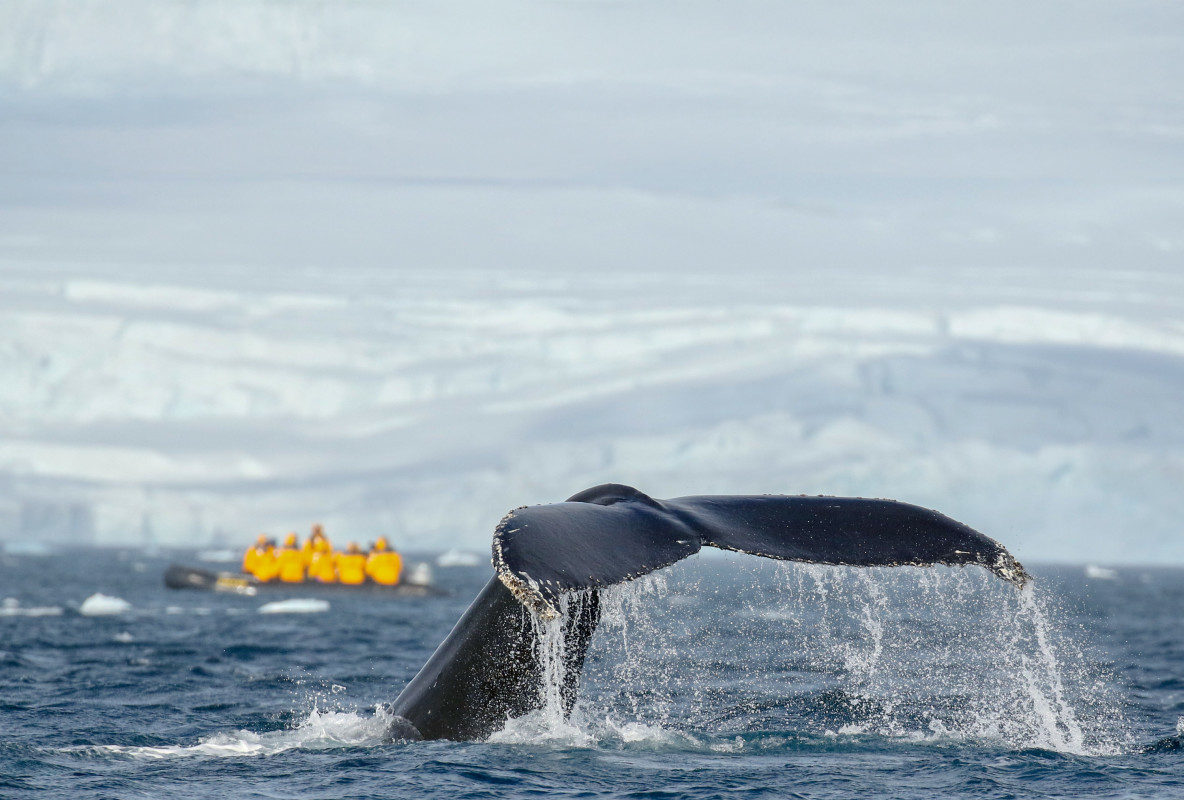


Expedition Ships


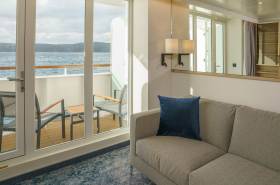





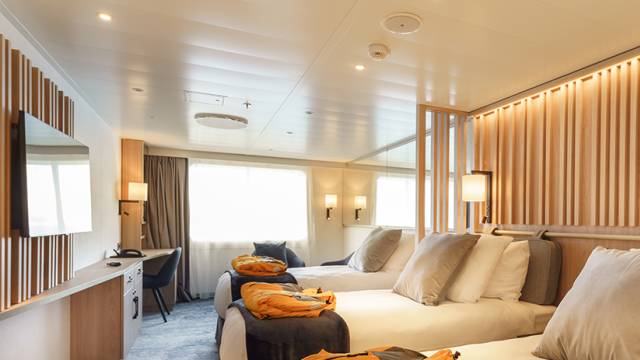








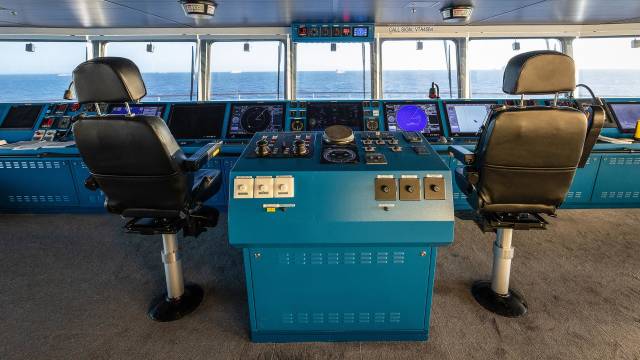


Possible Excursions
When traveling in extremely remote regions, your Expedition Team must consider the sea, ice and weather to guide the route and itinerary details. The following sites are a sample of what you may experience on your expedition, whether by ship, Zodiac cruise, helicopter, or shore landing.

Patagonia
Patagonia
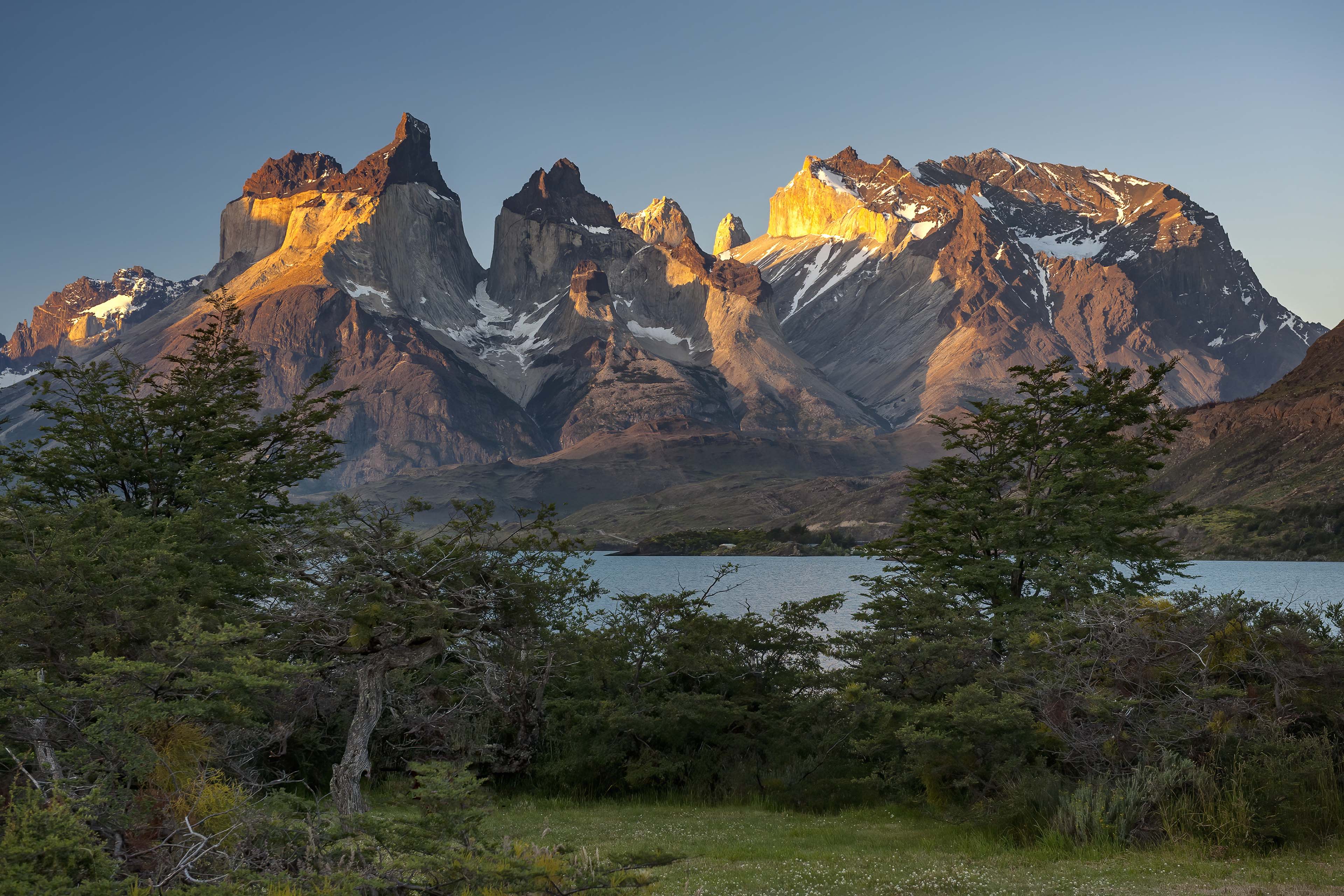
-
Dainelli (Aguila) Glacier
This striking blue glacier, which flows down from the middle of the Darwin mountain range, sits at the end of a tranquil lagoon formed by the glacier’s meltwater. An easy hike along the shore takes you to the edge of the glacier.
-
Ainsworth Bay
An offshoot of Almirantazgo Sound (Admiralty Sound), Ainsworth Bay is surrounded by pristine sub-polar forests. The bay is fed by the meltwater of the Marinelli Glacier, which flows down from the Cordillera Darwin Icefield.
-
Bahia Brookes
Located in Almirantazgo Sound (Admiralty Sound), in the heart of Alberto de Agostini National Park, this bay is the site of several glaciers, the most impressive being the North Brookes Glacier. The bay is also an ideal locale for learning about the glaciology and how they shape the landscape.
-
Canal de las Montañas
Situated within the Kawésqar National Park (formerly Alacalufes National Reserve), this 41-mile (66 km) long channel is flanked by two majestic mountain ranges, the Cordillera Riesco to the east and the Cordillera Sarmiento to the west. Sightings of sea lions and dolphins are possible.
-
Cape Horn
Sitting at the southernmost tip of Tierra del Fuego, on Hornos Island, Cape Horn was named by Dutch navigator Willem Schouten, who discovered and first rounded the cape in 1616 and named it in honor of his birthplace, Hoorn, Holland. Filled with rugged, natural beauty, the historic windswept cape is located within Cabo de Hornos National Park, which was designated a UNESCO Biosphere Reserve in 2005. The Chilean Navy maintains a station on the island.
-
Pia Glacier
In the Beagle Channel, Pia Glacier is situated in a fjord in the Cordillera Darwin (Darwin Mountains), the southern part of the Andes mountain range. This area provides outstanding opportunities for taking the Zodiacs out for a shore landing and hiking to a spectacular lookout. Though the provenance of the glacier’s name remains unconfirmed, some believe Alberto Maria de Agostini, an Italian missionary, mountaineer and explorer who lived in Tierra del Fuego, named it after Princess Maria Pia of Savoy, the daughter of Italy’s first king.
-
Tuckers Islets
Located in Almirantazgo Sound (Admiralty Sound), a stunning offshoot of the Strait of Magellan, this tiny group of islands is covered in grasses, mosses and small trees, providing a verdant backdrop for viewing a large colony of nesting Magellanic penguins. Other bird species that may be spotted here include king and rock cormorants, oystercatchers, Chilean skuas, kelp geese and dolphin gulls.
Your Life Onboard
This is polar exploration at its finest. Our ships are intimate, luxurious floating hotels, packed with exciting experiences.


Enjoy panoramic views while you mingle in our comfy lounges, or head outside and chat with fellow adventurers on the wraparound deck. Our social spaces foster connections & shared experiences.

Engage with world-class experts in our auditorium. Presentations cover wildlife, history, marine biology, ecology, & geology, to enhance your polar knowledge & excitement for exploration.

Enjoy onboard amenities, attend lectures, or watch for wildlife from our observation decks. Sea days offer a perfect blend of education, relaxation, and anticipation.

Find tranquility in our well-stocked library, perfect for reading or quiet contemplation. The glass-domed Observation Lounge offers a peaceful retreat to reflect & enjoy awe-inspiring polar views.

Prepare for off-ship excursions in our spacious mudroom. Kayak, paddleboard, or take a plunge in polar waters. Stay active onboard with our gym, outdoor track, and pool facilities.


Know Before You Go
For your personal safety—and to ensure you get the most enjoyment out of your polar adventure—please assess your mobility and medical requirements before booking. It is essential that guests have a high level of mobility to get in and out of Zodiac boats, and for off-ship activities such as hiking on uneven terrain. Our destinations are remote. Apart from our basic ship infirmary, it could take up to 72 hours to reach adequate medical facilities. For more details to help you assess your mobility and medical requirements before booking your voyage, please review Health & Safety.
Some of our expeditions have included transfers and these will be detailed in your Invoice and Trip Brochure.
Please note that if you have an airport transfer included in your trip, it is only available if you arrive on Day 1 of the itinerary. Please ensure your flight information on your Passenger Forms is up to date so our ground crew know when to expect you. There will be someone with a sign in Arrivals waiting for you. Please look for them and they will direct you to our group shuttle.
If you do not have included transfers, or you are arriving before Day 1, you will need to make your own way to the hotel. Most airports we travel in and out of have good taxi ranks in the Arrivals area, or you can often prebook a transfer online.
Packing is an exciting part of the trip for many of us. You will find a handy packing list towards the end of your Trip Brochure. You will have received a copy of this when you first booked. We also have two excellent videos, which you can check out here: What to Pack
Our Protection Promise allows you to make a purchase decision that will leave you worry-free in the event your plans change down the road. Please review details for each term in our Quark Expeditions Protection Promise.
Whether you are thinking of an expedition, or you’ve booked the trip of a lifetime with Quark Expeditions, review all our FAQs for comprehensive tips to help you prepare for the Polar Regions and how to make the most out of your voyage with the most experienced expedition team in the industry. If your specific question isn’t covered below, please reach out to your Polar Travel Advisor or helpful Client Experience Team at guest@quarkexpeditions.com.