Arctic · From 17 Days
Northwest Passage
Epic High Arctic
$0.00 USD
-
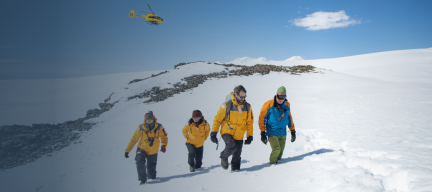
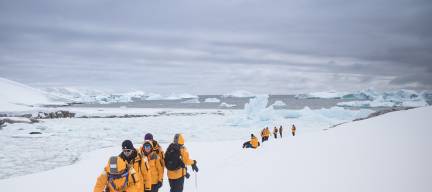
Passengers hiking at Ilulissat, Greenland
-
-
-
-
-
- Starting from
- Calgary, Canada
$ 0.00 USD
Expedition Overview
The fabled sea route connecting the Atlantic and Pacific Oceans, the Northwest Passage has gripped imaginations for centuries. On this captivating 17-day voyage, we invite you to explore this fascinating waterway with an incredible range of on-board comforts and off-ship adventures no other vessel can offer. Passing through the Canadian Arctic archipelago, guests will journey back in time to the height of Arctic exploration, navigating the waters explored by sailors from different lands while visiting areas that Inuit people have made their home for thousands of years.
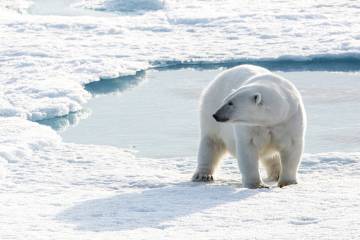
Marvel at highlights of the Canadian Arctic and Greenland’s stunning west coast, stopping at Inuit and Greenlandic communities. Visit the UNESCO World Heritage site Ilulissat Icefjord, whose Sermeq Kujalleq glacier calves off enormous icebergs. And keep your eyes peeled for the elusive and majestic creatures who make their home in these harsh, remote landscapes, such as whales, walrus, muskoxen and polar bears. Come aboard and venture to the legendary route that for centuries held explorers in its thrall, and return home forever bound to the spirit of Arctic adventure.
Highlights
Experience highlights of the Canadian Arctic and Greenland
Visit Inuit and Greenlandic communities
View Arctic wildlife, such as whales, walrus and muskoxen
Explore the Ilulissat Icefjord, a UNESCO World Heritage Site
Cruise in a Zodiac to explore icebergs, glaciers, fjords and more
Select Your Season & Itinerary
Explore Activities
Activities vary by itinerary, ship, destination and are subject to weather conditions. Checkout our Itineraries to explore what’s included in each voyage.
Expedition Ships
Possible Excursions
When traveling in extremely remote regions, your Expedition Team must consider the sea, ice and weather to guide the route and itinerary details. The following sites are a sample of what you may experience on your expedition, whether by ship, Zodiac cruise, helicopter, or shore landing.
Canada
-
Beechey Island
Named after Frederick William Beechey, an explorer with the Royal Navy, this is one of Canada’s most important Arctic sites and has been deemed a Canadian National Historic Site. During the Franklin expedition of 1845–46, two of Franklin’s ships, HMS Erebus and HMS Terror, anchored here with perilous results. Three of Franklin’s crew died here and are buried at marked gravesites.
-
Croker Bay
On the south coast of Devon Island is Croker Bay. A glacier here actively calves off chunks of ice, creating a birthplace for icebergs. The bay was a popular stop during the 1800s, when a path to the Pacific (the Northwest Passage) was at the forefront of Arctic exploration.
-
Dundas Harbour
Located on Devon Island, there are the remains of a Royal Canadian Mounted Police post, dating back to 1924. The RCMP cemetery is tended annually by a contingent of Mounties, who arrive especially for that purpose. Other evidence of human habitation found nearby is centuries older.
-
Radstock Bay
A Thule site here provides insight into how the pre-Inuit people survived and lived in the Arctic. A small polar bear observatory used by scientists in 1978 is also located on top of a rise.
West Greenland
-
Disko Bay
Erik the Red discovered a rich hunting ground in Disko Bay, far north from the Norse settlements in the south below the Arctic Circle. But long before Erik arrived, a paleo-Eskimo culture known as the Saqqaq, inhabited and thrived in this rich and stunning landscape.
-
Eqip Sermia
With an ice front of just under 2.5 miles (4 km), Eqip Sermia is a truly massive glacier, with huge chunks of ice seen— and heard—calving into the water below. Navigating the narrow sound on the way to the glacier requires traversing ice-clogged water, which produces an ethereal feeling as bergs grind against the ship’s hull.
-
Etah
An abandoned settlement on the shores of Foulk Fjord, Etah was a starting point of discovery expeditions to the North Pole. It was also the landing site of the last migration of the Inuit from the Canadian Arctic. The huts of the former village, once the most-northerly populated settlement in the world, still stand today.
-
Ilulissat
Ilulissat (formerly Jakobshaven) lies approximately 350 km north of the Arctic Circle. With a population of over 4500, it is the third-largest city in Greenland, after Nuuk and Sisimiut. The city is home to more sledge-dogs than residents! Founded by Danish trader Jacob Saverin as a trading post in 1741, Ilulissat today is a center for shrimp-fishing in the region. Directly translated, “Ilulissat” is the Kalaallisut word for “icebergs.” The town is situated 2 km north of the legendary Ice Fjord, through which colossal icebergs travel out to sea. Ilulissat is also the birthplace of noted polar explorer and anthropologist Knud Rasmussen, Greenland’s revered native son. You’ll be able to enter the house where he was born in 1879 as it’s now a small museum dedicated to his achievements. From 1906 until the early 1930s, Kununnguaq, or “Little Knud,” devoted his life to Arctic studies. His greatest achievements included the Danish Ethnographical Expedition to Arctic North America, also known as the Fifth Thule Expedition, which enabled Rasmussen and his team to take archaeological, geographical and natural history data from Greenland right across the North American Arctic.
-
Itilleq
Itilleq in Greenlandic means “a hollow,” which is where this village is situated, on an island without any freshwater. The village has approximately 130 inhabitants and offers picturesque views of colorful Greenlandic houses dotted along the rocky landscape. It’s also known as a welcoming community, where you might experience “kaffemik,” a Greenlandic tradition of inviting visitors in for coffee, cakes and conversation.
-
Kangerlussuaq
Kangerlussuaq sits at the head of a 118- mile (190 km) long fjord. The tiny town has Greenland’s largest airport and a unique history. Although Inuit and their predecessors occupied or visited the area, Kangerlussuaq’s modern incarnation dates back to the U.S. occupation of Greenland as an air force base beginning in World War II.
Your Life Onboard
This is polar exploration at its finest. Our ships are intimate, luxurious floating hotels, packed with exciting experiences.


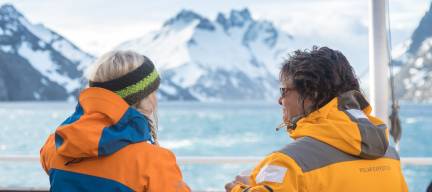
Enjoy panoramic views while you mingle in our comfy lounges, or head outside and chat with fellow adventurers on the wraparound deck. Our social spaces foster connections & shared experiences.

Engage with world-class experts in our auditorium. Presentations cover wildlife, history, marine biology, ecology, & geology, to enhance your polar knowledge & excitement for exploration.

Enjoy onboard amenities, attend lectures, or watch for wildlife from our observation decks. Sea days offer a perfect blend of education, relaxation, and anticipation.

Find tranquility in our well-stocked library, perfect for reading or quiet contemplation. The glass-domed Observation Lounge offers a peaceful retreat to reflect & enjoy awe-inspiring polar views.

Prepare for off-ship excursions in our spacious mudroom. Kayak, paddleboard, or take a plunge in polar waters. Stay active onboard with our gym, outdoor track, and pool facilities.

Know Before You Go
For your personal safety—and to ensure you get the most enjoyment out of your polar adventure—please assess your mobility and medical requirements before booking. It is essential that guests have a high level of mobility to get in and out of Zodiac boats, and for off-ship activities such as hiking on uneven terrain. Our destinations are remote. Apart from our basic ship infirmary, it could take up to 72 hours to reach adequate medical facilities. For more details to help you assess your mobility and medical requirements before booking your voyage, please review Health & Safety.
Some of our expeditions have included transfers and these will be detailed in your Invoice and Trip Brochure.
Please note that if you have an airport transfer included in your trip, it is only available if you arrive on Day 1 of the itinerary. Please ensure your flight information on your Passenger Forms is up to date so our ground crew know when to expect you. There will be someone with a sign in Arrivals waiting for you. Please look for them and they will direct you to our group shuttle.
If you do not have included transfers, or you are arriving before Day 1, you will need to make your own way to the hotel. Most airports we travel in and out of have good taxi ranks in the Arrivals area, or you can often prebook a transfer online.
Packing is an exciting part of the trip for many of us. You will find a handy packing list towards the end of your Trip Brochure. You will have received a copy of this when you first booked. We also have two excellent videos, which you can check out here: What to Pack
Our Protection Promise allows you to make a purchase decision that will leave you worry-free in the event your plans change down the road. Please review details for each term in our Quark Expeditions Protection Promise.
Whether you are thinking of an expedition, or you’ve booked the trip of a lifetime with Quark Expeditions, review all our FAQs for comprehensive tips to help you prepare for the Polar Regions and how to make the most out of your voyage with the most experienced expedition team in the industry. If your specific question isn’t covered below, please reach out to your Polar Travel Advisor or helpful Client Experience Team at guest@quarkexpeditions.com.