



In an age when many iconic wildlife destinations feel increasingly crowded, a handful of places remain genuinely wild. South Georgia, often called the Galápagos of the Southern Ocean, is one of them. Set deep in the sub-Antarctic, this remote island chain delivers biodiversity on a scale that feels almost prehistoric—where millions of animals still follow ancient rhythms, largely undisturbed by humans.
For travelers drawn to nature at its rawest, this is the moment to explore South Georgia as part of an Antarctic Circle expert-led wildlife trip, when conservation success stories and favorable environmental conditions are aligning to create extraordinary wildlife encounters.
Why South Georgia Matters Right Now
South Georgia’s ecological recovery is one of the great modern conservation achievements. After decades of damage caused by invasive species and historic whaling activity, sustained restoration efforts—most notably the removal of rats—have allowed native bird populations to rebound dramatically.
Today, king penguin colonies are thriving, fur seals have returned in astonishing numbers, and seabird nesting success is higher than at any point in recent history. Climate patterns also influence sea ice distribution, often making this region more accessible during the austral summer than deeper Antarctic latitudes.
This combination of recovery and access has positioned South Georgia as a cornerstone destination on a thoughtfully planned polar wildlife expedition cruise, offering travelers a front-row seat to one of Earth’s great ecological comebacks.
A Wildlife Experience Unlike Anywhere Else on Earth
South Georgia doesn’t ease you into wildlife—it immerses you completely. From the moment you arrive offshore, the island feels alive with motion, sound, and scale.
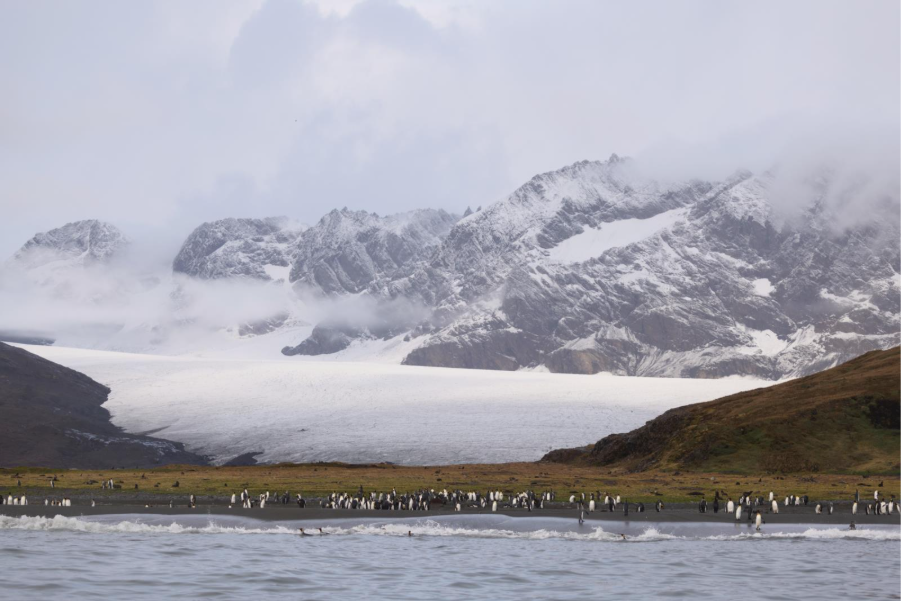
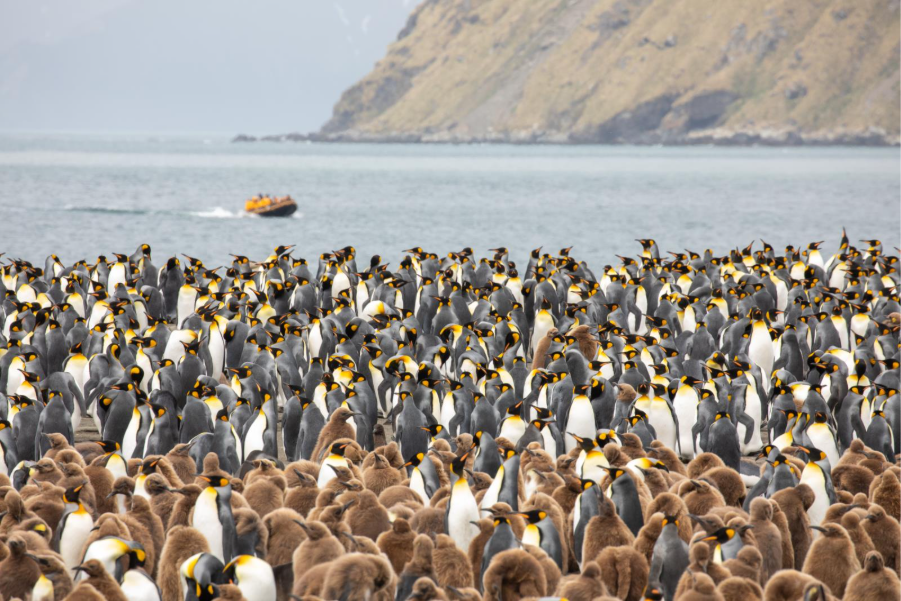
At St. Andrew’s Bay, often the emotional highlight of the journey, visitors stand before the largest king penguin colony on the planet. Tens of thousands of birds stretch across the outwash plain, their calls echoing against snow-streaked mountains.
Elsewhere along the coast, travelers can expect:
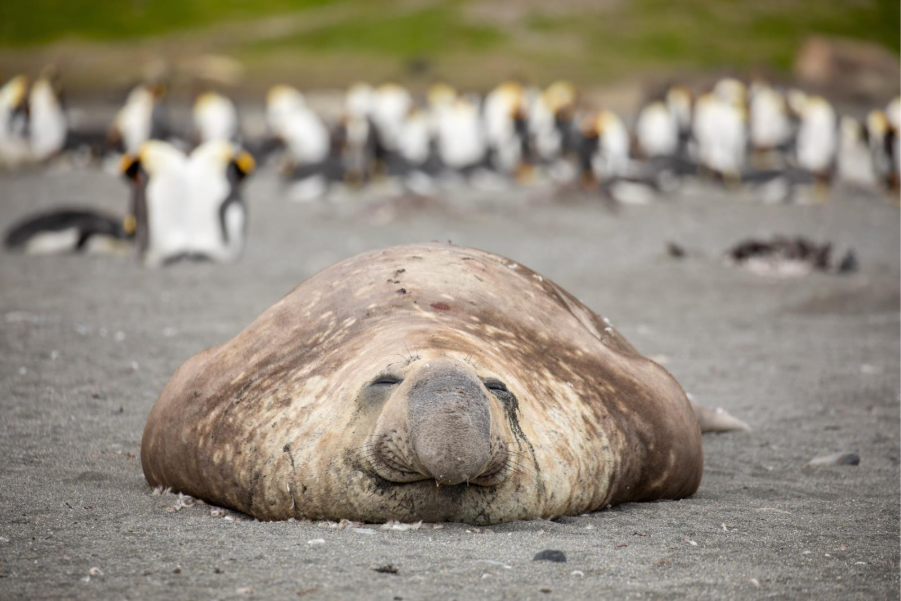
- Southern elephant seals locked in dramatic displays of dominance
- Antarctic fur seals lining beaches and tussock slopes
- Albatross gliding effortlessly above the surf
- Giant petrels, skuas, and nesting prions along rugged cliffs
Experiencing these sites by sea allows for flexibility—Zodiac landings are timed to tides, weather, and wildlife behavior, ensuring minimal impact and maximum insight.
Why Expedition Cruising Is the Ideal Way to Visit
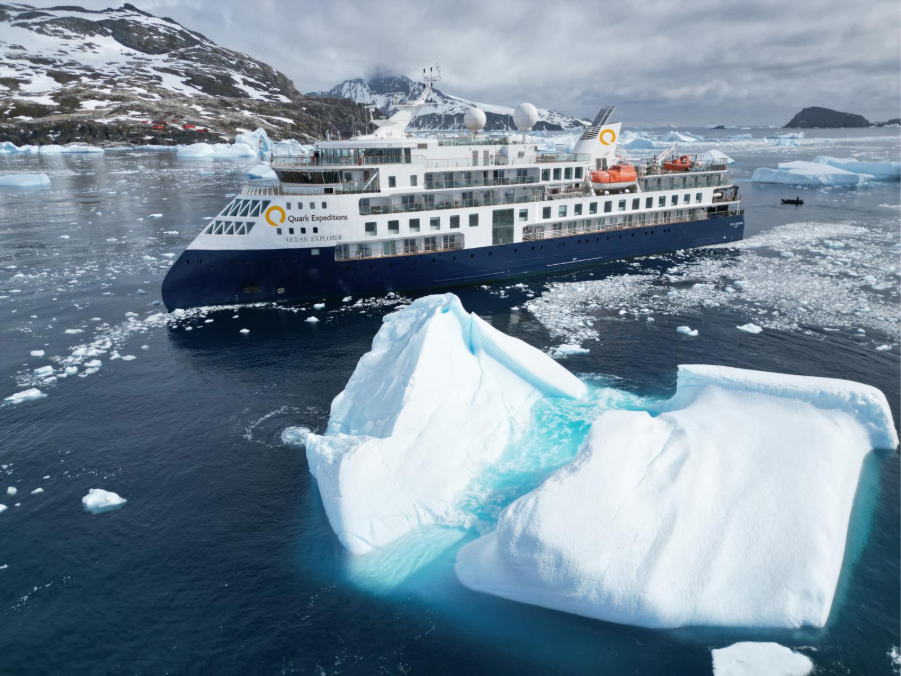
South Georgia has no airport, no hotels, and no permanent tourism infrastructure. That’s precisely why expedition cruising is not just convenient—it’s essential.
Modern expedition vessels provide:
- The mobility to adjust routes based on wildlife concentrations
- Expert guides who interpret behavior, ecology, and history
- Comfortable onboard spaces that balance adventure with recovery
- Safe Zodiac operations for remote beach and fjord access
One voyage that captures this balance exceptionally well is Penguins of the Far South, which integrates South Georgia into a broader sub-Antarctic narrative alongside the Falkland Islands and the Antarctic Peninsula.
Explore the itinerary here:
👉 https://www.quarkexpeditions.com/expeditions/penguins-of-the-far-south-falklands-south-georgia-and-antarctica
For travelers considering upcoming departures and seasonal planning, details on the next Antarctic season are available here:
👉 https://www.quarkexpeditions.com/antarctic/new-season
More Than Wildlife: History and Human Resilience
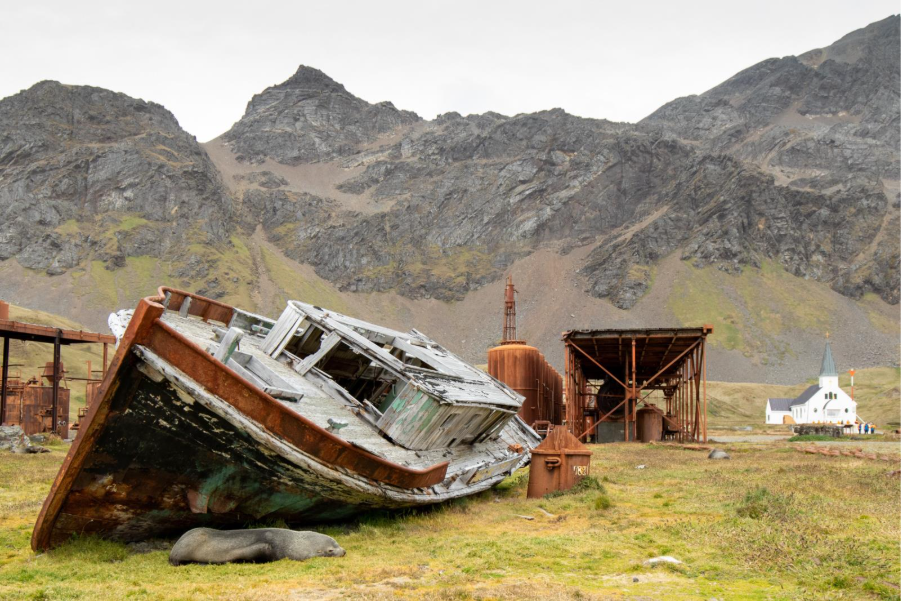
South Georgia’s story isn’t only natural—it’s deeply human. Abandoned whaling stations, rusting against dramatic mountain backdrops, serve as sobering reminders of industrial excess. Grytviken, the island’s most famous site, also holds the grave of Sir Ernest Shackleton, whose leadership during the Heroic Age of Antarctic Exploration remains legendary.
Standing here, visitors often gain a deeper understanding of how closely human survival has been tied to respect for polar environments—an idea that resonates strongly on an Antarctic Circle wildlife trip, where nature still sets the terms.
Extending the Journey South
For some travelers, South Georgia becomes a gateway rather than a finale. Continuing farther south deepens the sense of progression—from sub-Antarctic abundance to the stark ice-dominated world of the Antarctic Circle.
Voyages that cross this threshold, such as Epic Antarctica: Crossing the Circle, combine South Georgia’s wildlife spectacle with the milestone experience of reaching latitudes few travelers ever see.
Learn more about that journey here:
👉 https://www.quarkexpeditions.com/expeditions/epic-antarctica-crossing-the-circle-falklands-and-south-georgia
These itineraries often depart as an Antarctic Circle cruise from Ushuaia, allowing travelers to follow historic exploration routes while benefiting from modern navigation and expert leadership.
For a broader view of Antarctic expedition options and planning guidance, visit:
👉 https://www.quarkexpeditions.com/antarctic
What Travelers Take Home
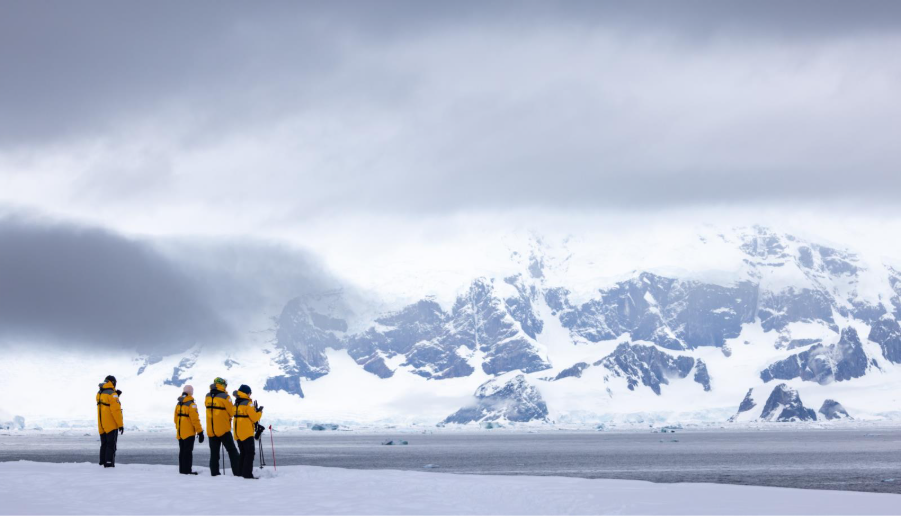
A visit to South Georgia reshapes expectations. The sheer density of life, the absence of crowds, and the scale of the landscapes combine to create something deeply moving. It’s not uncommon for travelers to describe the experience as grounding—a reminder of what healthy ecosystems look like when given the chance to recover.
As part of a second Antarctic Circle expert-led wildlife trip or a well-designed polar wildlife expedition cruise, South Georgia offers more than sightings. It offers perspective.


