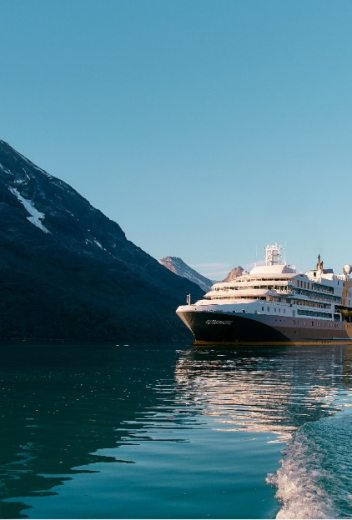



In an era when even the planet’s farthest corners are appearing on social feeds, Jan Mayen remains an outlier. This crescent-shaped island, lost in the North Atlantic between Greenland and Norway, is rarely visited, tightly protected, and dominated by a single, ice-draped giant: Beerenberg. For those lucky enough to approach it by sea, the sight of this volcano rising directly from the ocean feels almost unreal.
Experiencing the Beerenberg volcano on Jan Mayen cruise routes is one of the rarest encounters in Arctic travel—and it’s happening at a time when environmental conditions and expedition expertise are aligning in travelers’ favor. Understanding the best time to see Beerenberg during Arctic cruise planning is now key for those seeking a truly once-in-a-lifetime journey.
Why Jan Mayen Is Having a Quiet Moment
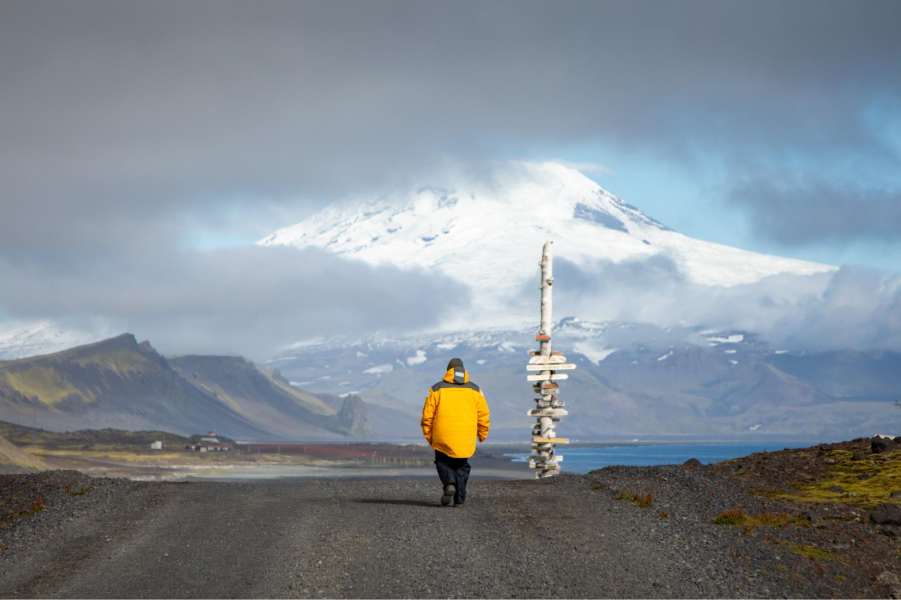
Jan Mayen is not trending—and that’s precisely why it matters. Governed by Norway and largely uninhabited except for a small meteorological and military presence, the island is protected from casual tourism. Landings are permitted only under specific conditions, often dependent on weather, sea state, and environmental sensitivity.
Scientifically, the region is increasingly important. Retreating glaciers and shifting seabird patterns are providing researchers with new insights into Arctic climate systems. For travelers, this means that expedition teams now have a clearer understanding of seasonal access windows, improving the odds of safe approaches without compromising conservation principles.
This balance of access and protection makes modern expedition cruising the most responsible way to witness Jan Mayen’s landscapes—particularly when routes include the Beerenberg volcano on Jan Mayen cruise itineraries designed for minimal impact.
Beerenberg: Earth’s Northern Sentinel
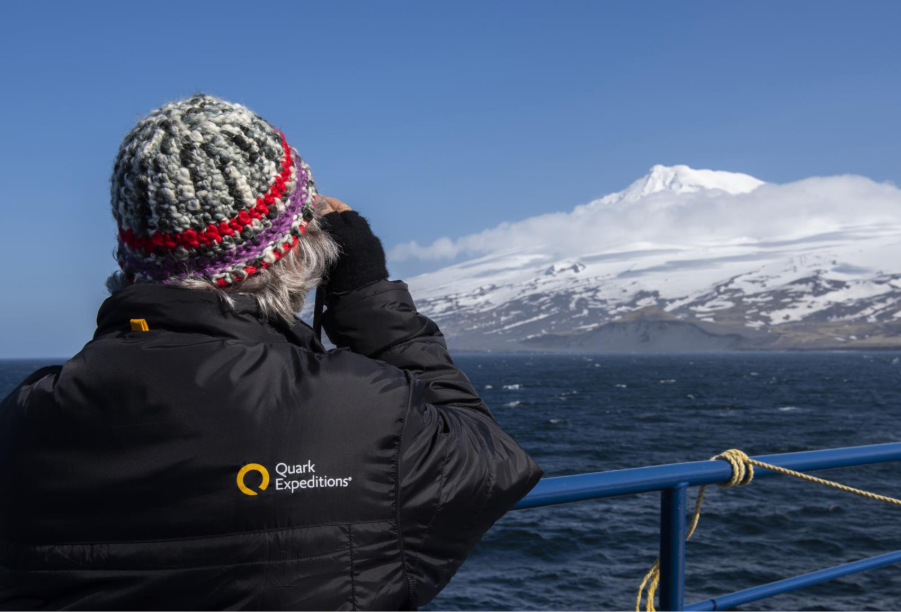
Beerenberg is not just dramatic—it is the northernmost active subaerial volcano on the planet. Rising more than 7,700 feet (2,277 meters) above sea level, its slopes are cloaked in glaciers that spill directly into the ocean. On clear days, the volcano’s symmetry is striking; on misty ones, it feels almost mythical.
Understanding the best time to see Beerenberg during Arctic cruise travel usually comes down to midsummer conditions, when daylight is nearly constant and sea ice retreats enough to allow ship-based exploration. Even then, nothing is guaranteed—which is part of the island’s enduring mystique.
Unlike volcanic destinations elsewhere in the world, Beerenberg is not approached on foot. It is admired from offshore or, on rare occasions, from carefully managed landing sites that offer glimpses of lava fields, glacial tongues, and raw volcanic terrain.
Seabirds, Silence, and the Power of Isolation
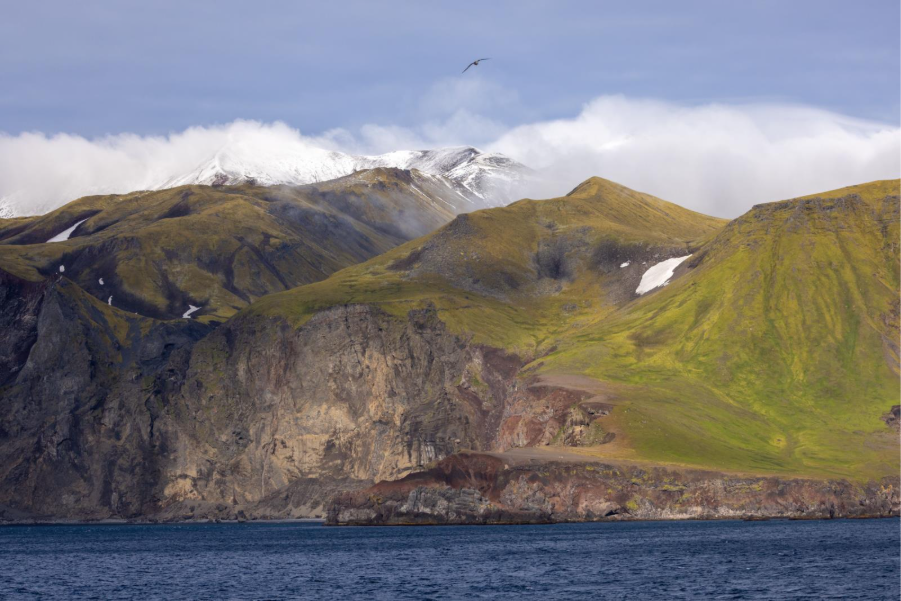
Jan Mayen’s isolation has made it a sanctuary for wildlife. Cliffs and coastal slopes support large colonies of fulmars, kittiwakes, guillemots, and little auks. The air often feels alive with motion, yet the island itself remains eerily silent—there are no towns, roads, or permanent civilian settlements.
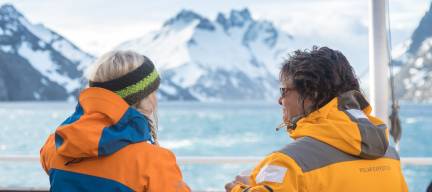
This contrast defines the experience of a Beerenberg and seabirds tour. From the deck of an expedition ship, travelers witness a rare intersection of geology and biology, where life persists against stark volcanic backdrops.
Zodiac cruises along the shoreline often reveal:
- Waterfalls spilling from melting glaciers
- Seabirds nesting inches above the surf
- Volcanic rock formations shaped by ice and wind
- Occasional marine mammal sightings offshore
These moments are fleeting and weather-dependent, reinforcing why expert-led planning is essential.
Why Expedition Cruising Is the Only Real Way In
Jan Mayen has no commercial harbor and no civilian airport. Approaching it requires vessels capable of navigating unpredictable seas, adjusting routes quickly, and prioritizing safety above schedules.
That’s why journeys such as Arctic Saga: Exploring Spitsbergen, the Faroes and Jan Mayen are designed with flexibility at their core. This voyage weaves Jan Mayen into a broader North Atlantic story, often following a Fair Isle to Jan Mayen Arctic voyage that connects human history with raw natural power.
Explore the expedition here:
👉 https://www.quarkexpeditions.com/expeditions/arctic-saga-exploring-spitsbergen-the-faroes-and-jan-mayen
For travelers planning ahead, upcoming Arctic departure windows and seasonal insights are available here:
👉 https://www.quarkexpeditions.com/arctic/new-season
What Makes a Jan Mayen Landing So Rare
Even on well-planned expeditions, stepping ashore on Jan Mayen is never guaranteed. Weather can change rapidly, swells can rise without warning, and environmental protections may limit access.
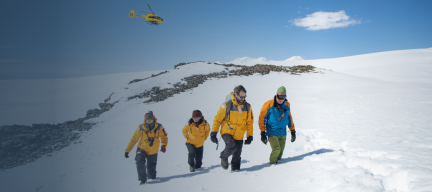
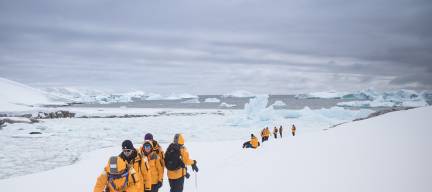
When landings do occur, they are brief and tightly managed. Travelers may explore:
- Black sand beaches shaped by volcanic eruptions
- Moss and lichen ecosystems clinging to lava rock
- Views back toward Beerenberg’s glaciated summit
The scarcity of these moments makes them unforgettable. Many seasoned Arctic travelers cite Jan Mayen as one of the most exclusive places they’ve ever encountered.
Beyond Jan Mayen: Continuing Into the High Arctic
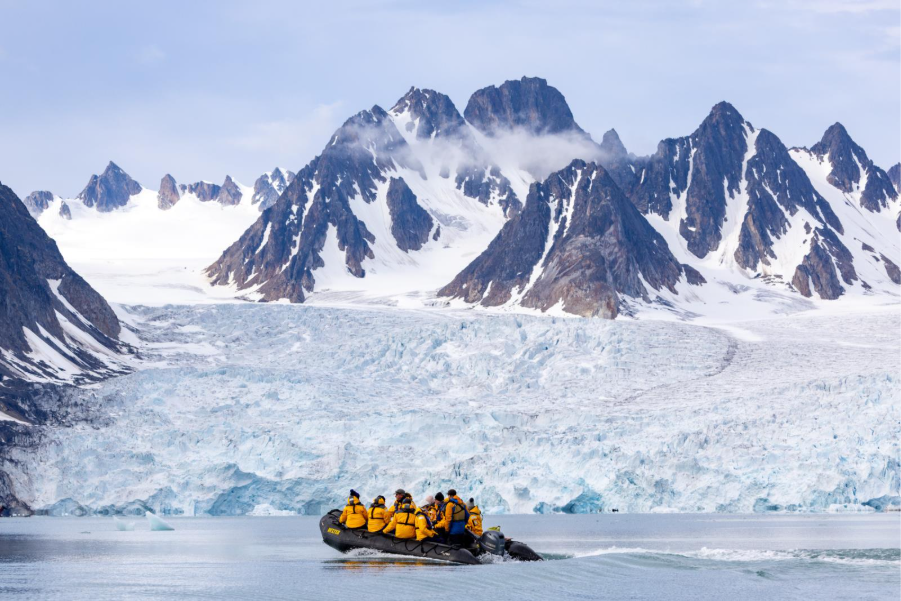
For some, Jan Mayen is a powerful midpoint rather than a finale. Continuing north toward Svalbard reveals another face of the Arctic—one dominated by glaciers, polar deserts, and iconic wildlife.
Journeys like Svalbard Explorer: Best of High Arctic Norway build on Jan Mayen’s sense of isolation, offering deeper immersion into polar ecosystems and long daylight hours.
Learn more about that expedition here:
👉 Svalbard
For a broader overview of Arctic expedition options and planning resources, visit:
👉 https://www.quarkexpeditions.com/arctic
This progression—from the volcanic solitude of Jan Mayen to the vast fjords of Spitsbergen—adds context and contrast to the experience.
A Place Defined by What It Withholds
Jan Mayen does not offer certainty, convenience, or comfort in the traditional sense. What it offers instead is rarity. Few travelers will ever see Beerenberg rise out of the fog, or hear seabirds echo off untouched volcanic cliffs.
For those who do, the island becomes a quiet benchmark—a reminder that some of the world’s most powerful places are still governed by nature, not itineraries.