



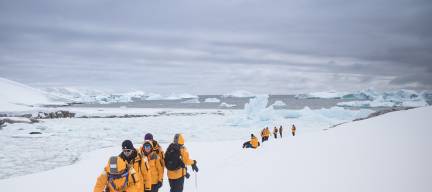
In the high latitudes of Antarctica, discovery doesn’t come easily. It depends on timing, patience, and one constantly shifting force: sea ice. Nowhere is this more evident than near Snow Hill Island, where changing ice conditions shape access to one of the planet’s most extraordinary wildlife encounters. For travelers embarking on a Weddell Sea expedition cruise, this region represents the frontier where science, exploration, and nature intersect.
Snow Hill’s importance is rooted in its relationship with ice—how it forms, breaks, and reforms each year. That same dynamic environment makes an Antarctic emperor penguin colony tour one of the rarest experiences in polar travel, achievable only through carefully planned, expert-led expeditions.
Why Snow Hill Matters
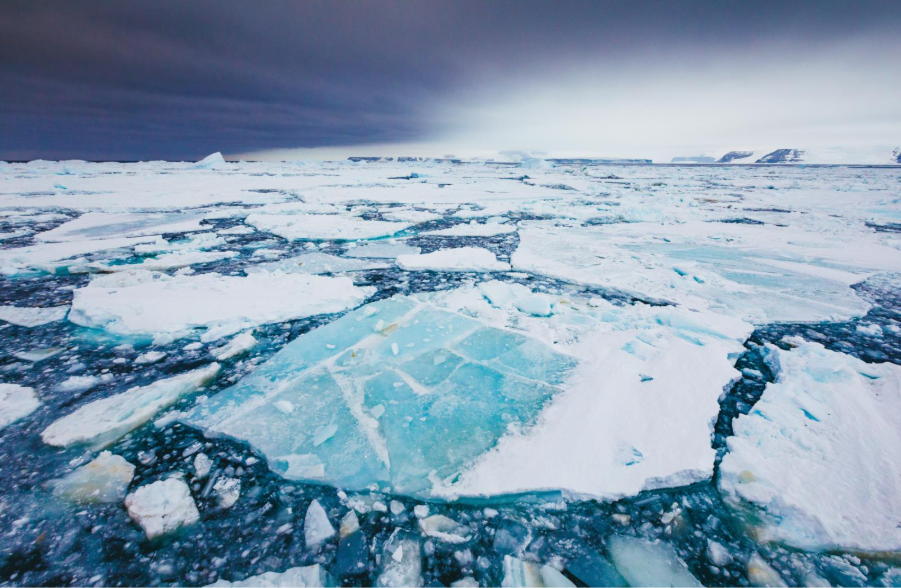
The Weddell Sea is one of Antarctica’s coldest and most ice-dense regions. Historically, thick multi-year sea ice made Snow Hill almost unreachable. In recent decades, satellite monitoring and climate research have improved understanding of seasonal ice behavior, allowing expedition teams to identify narrow windows when access may be possible.
This doesn’t mean the ice is “disappearing” in a simple sense. Instead, it is becoming more dynamic—forming later, breaking earlier, and moving unpredictably. These shifts make timing critical and underscore why flexible, ship-based exploration is the safest and most responsible way to attempt a visit.
For travelers, this moment is unique. Advances in ice forecasting, navigation technology, and expedition logistics now allow voyages into the Weddell Sea with greater situational awareness than ever before—without compromising environmental stewardship.
Sea Ice as Both Barrier and Gateway
Sea ice defines every decision near Snow Hill Island. It protects the ecosystem, regulates ocean temperatures, and provides breeding platforms for emperor penguins. At the same time, it determines whether ships can approach or helicopters can operate safely.
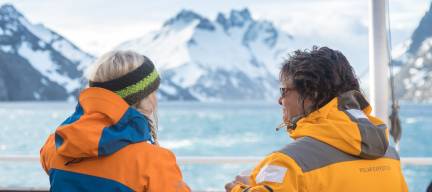
A modern Weddell Sea expedition cruise relies on real-time ice analysis and onboard experts—glaciologists, climatologists, and polar guides—who interpret conditions as they evolve. Routes are rarely fixed. Instead, captains and expedition leaders adjust plans daily, sometimes hourly, to respect safety and environmental thresholds.
This adaptive approach is what makes reaching Snow Hill so meaningful. When conditions align, the reward is extraordinary.
Inside an Emperor Penguin Stronghold
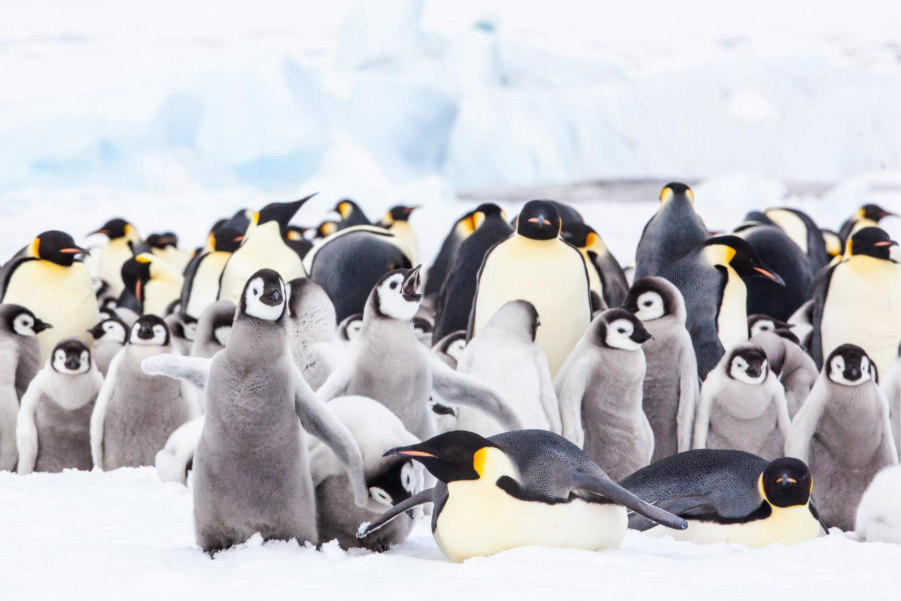
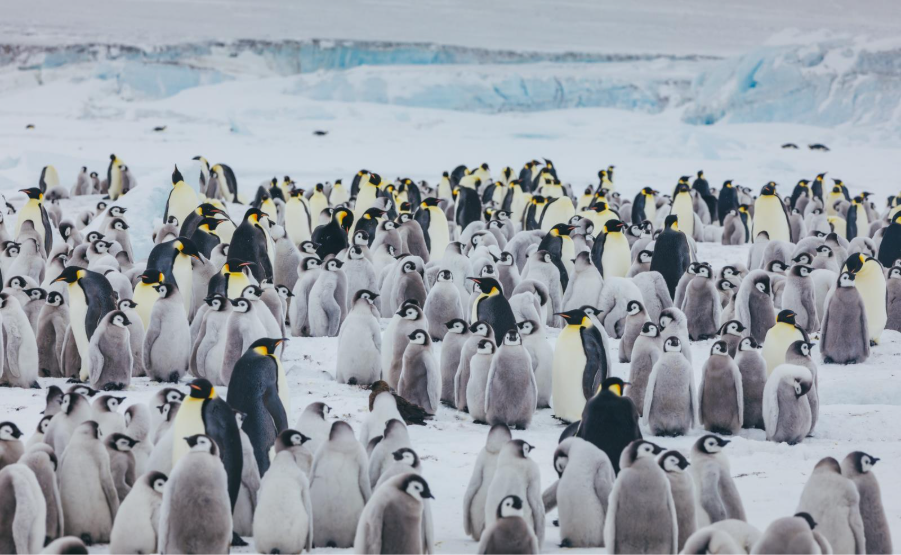
Snow Hill Island is home to one of the most northerly emperor penguin colonies in Antarctica. Unlike their more accessible cousins, these birds inhabit a region defined by wind-scoured ice and isolation.
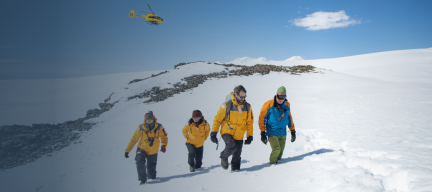
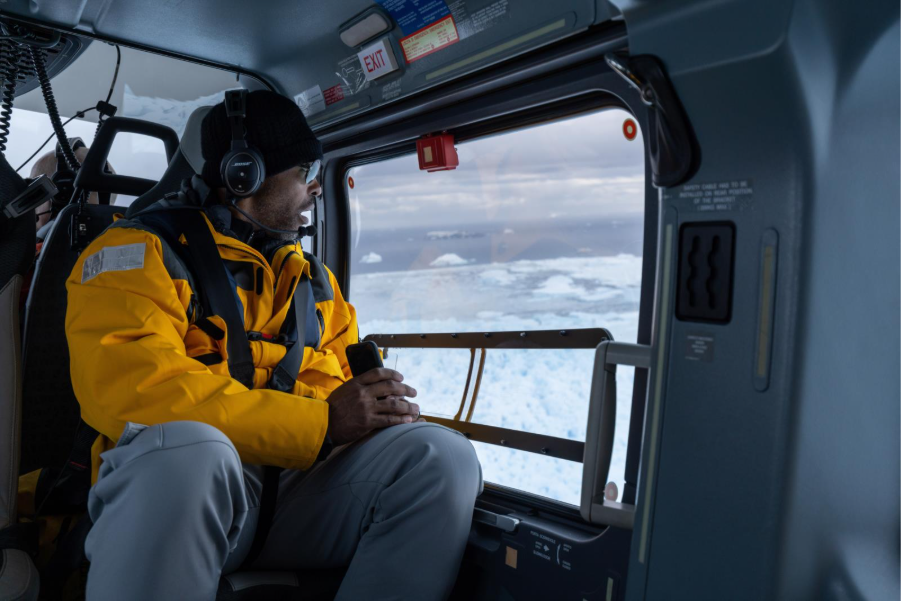
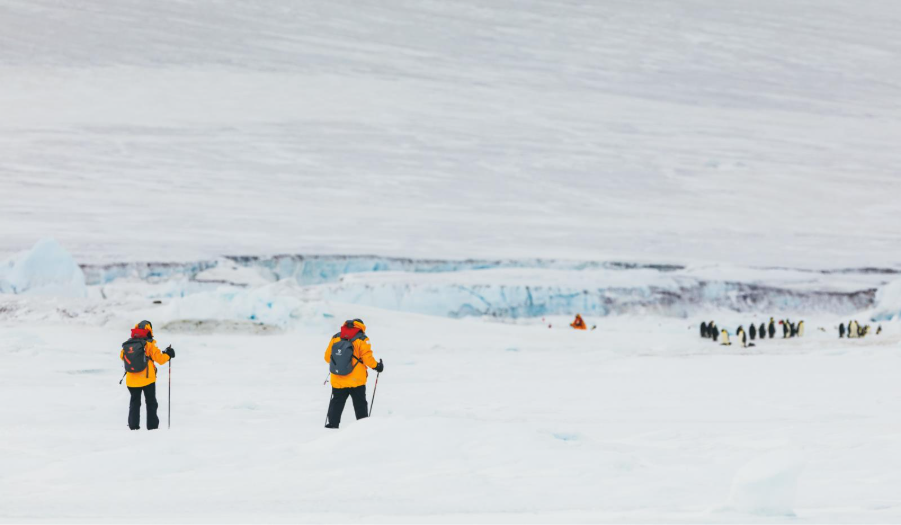
An Antarctic emperor penguin colony tour here is not a casual visit. Travelers typically reach the site by helicopter, flying over fractured sea ice and pressure ridges before landing at a safe distance from the colony. From there, strict wildlife protocols govern every movement.
What visitors may witness includes:
- Adult emperors sheltering chicks from katabatic winds
- Chicks transitioning from downy gray to juvenile plumage
- A landscape shaped entirely by ice, light, and silence
The experience is brief, carefully managed, and profoundly moving—precisely because it prioritizes the wellbeing of the wildlife above all else.
To learn more about the expedition designed specifically around this opportunity, explore:
👉 https://www.quarkexpeditions.com/expeditions/emperor-penguin-quest-expedition-to-snow-hill
For upcoming Antarctic departure windows and seasonal insights, visit:
👉 https://www.quarkexpeditions.com/antarctic/new-season
Why Helicopters Change What’s Possible
In the Weddell Sea, ice conditions can prevent ships from approaching land safely. Helicopters provide a low-impact solution, reducing the need for icebreaking near sensitive areas while expanding access when conditions allow.
For travelers, this enables rare perspectives—both logistical and visual. A penguin photography Antarctica helicopter cruise offers aerial views of ice floes, pressure ridges, and vast emperor penguin gatherings that cannot be appreciated from sea level alone.
From a scientific standpoint, helicopter operations also reduce time spent on site, minimizing disturbance while still allowing meaningful observation. It’s a model that reflects how ambition and sustainability can coexist in polar exploration.
Beyond Snow Hill: A Broader Wildlife Context
While Snow Hill is defined by emperor penguins and sea ice, many Antarctic travelers choose itineraries that provide ecological contrast. Moving northward, conditions soften, landscapes diversify, and wildlife concentrations shift dramatically.
Voyages that extend to the sub-Antarctic—such as those featuring South Georgia—reveal a different abundance. A South Georgia king penguin cruise introduces travelers to vast breeding beaches, grassy tussock slopes, and colonies numbering in the hundreds of thousands.
One such journey is the Falkland Islands and South Georgia 20-Day Wildlife Adventure, which offers insight into how Antarctic and sub-Antarctic ecosystems connect across latitudes.
Explore that expedition here:
👉 https://www.quarkexpeditions.com/expeditions/falkland-islands-and-south-georgia-20-day-wildlife-adventure
For a broader view of Antarctic expedition options and planning resources, visit:
👉 https://www.quarkexpeditions.com/antarctic
Balancing Discovery With Responsibility
What defines the Snow Hill experience is restraint. Landings may be canceled. Flights may be delayed. Sometimes, access isn’t possible at all. And that uncertainty is intentional.
By allowing sea ice to dictate outcomes, expedition teams respect the natural systems that make this region so vital to global climate balance. Travelers aren’t just witnessing Antarctica—they’re participating in a model of exploration that places safety, science, and sustainability first.
A Place That Teaches Patience
Snow Hill Island doesn’t reward urgency. It rewards awareness. Those who reach it come away with a deeper understanding of how fragile, powerful, and interconnected Antarctic systems truly are.
In the end, the science of Snow Hill isn’t only about ice charts or penguin populations. It’s about learning when to move forward, and when to wait.


