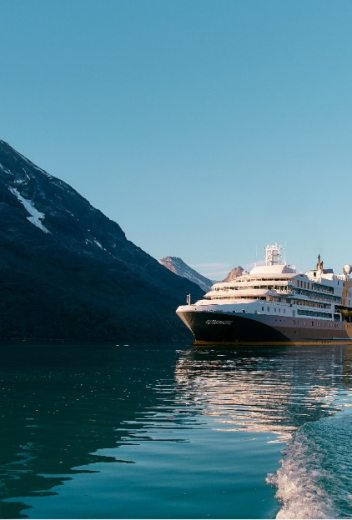



More than a thousand years ago, Norse explorers pushed wooden longships into cold, uncertain seas, navigating by stars, wind, and instinct. Their journeys across the North Atlantic shaped history, mythology, and the settlement of some of the world’s most remote islands. Today, travelers can follow those same ocean corridors—not in longships, but aboard modern expedition vessels designed for comfort, safety, and discovery. For those curious about the best time to see whales on Arctic cruise routes and eager to explore a remote Arctic islands cruise with seabirds, this moment offers a rare blend of history and living nature.
The routes once sailed by Vikings are no longer the edge of the known world—but they remain wild, weather-shaped, and deeply evocative. And exploring them by sea is still the most authentic way to understand why the Norse were drawn here in the first place.
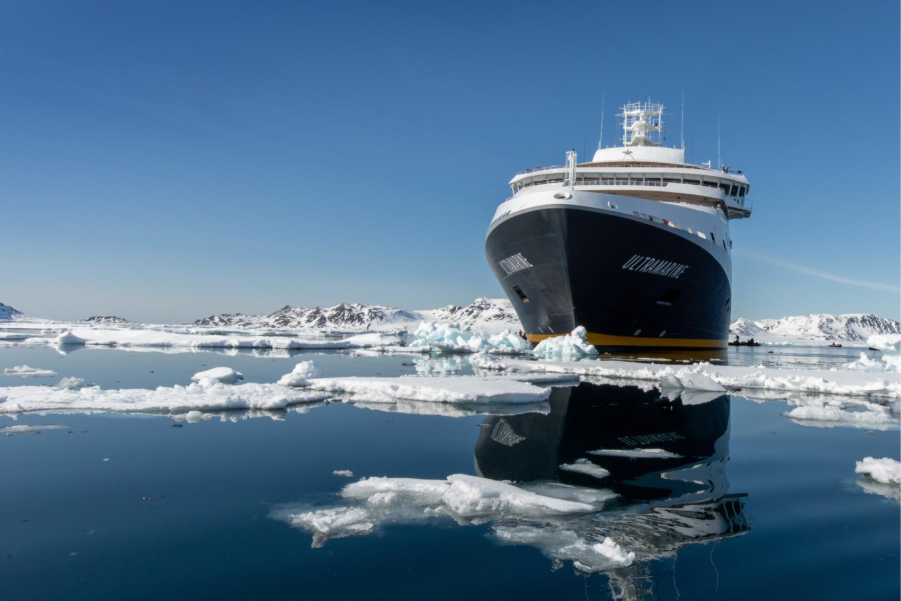
Why These Routes Matter More Than Ever
Archaeology, satellite mapping, and climate research have transformed what we know about Viking navigation. Excavations in the Faroes, Iceland, and Greenland reveal how Norse communities adapted to extreme environments, relying on the ocean for survival and connection. Meanwhile, modern science has helped clarify seasonal patterns in wildlife migration and sea conditions, making expedition travel safer and more informed.
Late spring through summer now represents the most favorable window for travelers seeking the best time to see whales on Arctic cruise itineraries. Longer daylight hours, productive waters, and migrating marine mammals create ideal conditions for exploration—much like the seasonal rhythms the Vikings once followed.
Sailing the Same Seas, With Modern Insight
A remote Arctic islands cruise with seabirds traces a path through islands that were once critical waypoints for Norse sailors. These lands—isolated, wind-carved, and rich in wildlife—still feel shaped by the same forces that governed Viking life.
Traveling by expedition ship allows for:
- Flexible routing based on weather and sea state
- Access to remote coastlines unreachable by conventional cruise ships
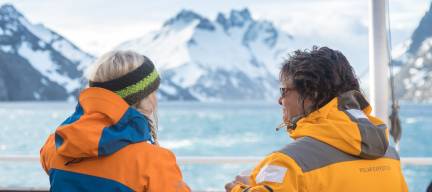
- Expert interpretation from historians, naturalists, and geologists
This mobility mirrors the adaptability that defined Norse exploration, while adding layers of context that bring sagas and ruins to life.
One modern expedition that closely follows these ancient corridors is the Arctic Saga: Exploring Spitsbergen, the Faroes and Jan Mayen. Learn more about this voyage here:
👉 https://www.quarkexpeditions.com/expeditions/arctic-saga-exploring-spitsbergen-the-faroes-and-jan-mayen
For an overview of Arctic departure windows and planning resources, visit:
👉 https://www.quarkexpeditions.com/arctic/new-season
Where History Meets Living Landscapes
Along these routes, Viking history is not confined to museums. It’s etched into landscapes and place names, woven into local traditions, and echoed in the seabird cliffs and fjords that once guided navigation.
Travelers may encounter:
- Norse ruins and settlement sites in Iceland and the Faroes
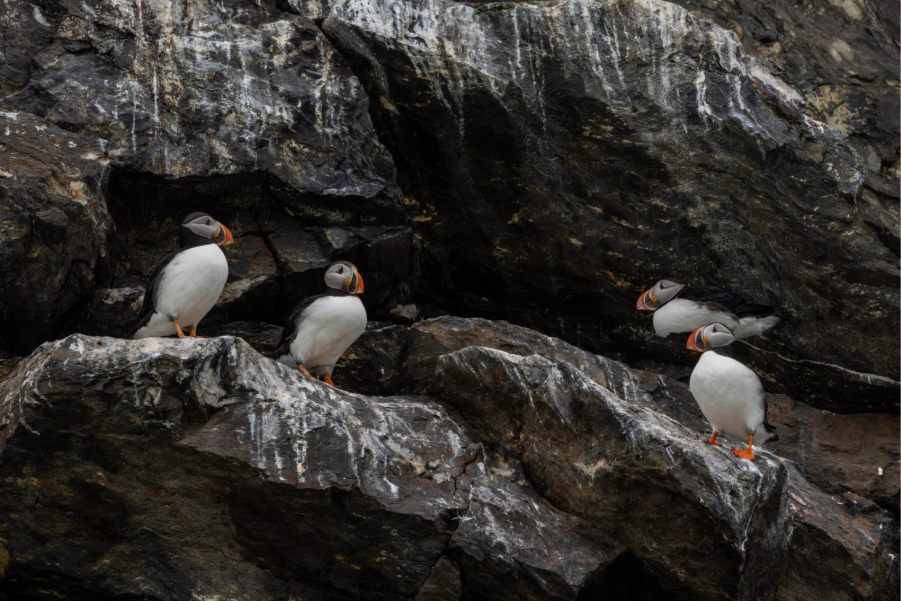
- Sheer cliffs alive with puffins, guillemots, and kittiwakes
- Open waters where whales surface along ancient migration paths
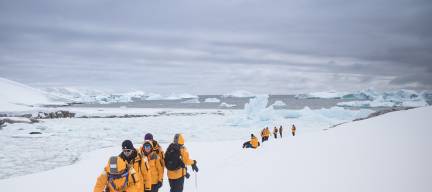
Carefully guided shore landings and Zodiac excursions Arctic Saga itineraries allow guests to step ashore where longships may once have landed, offering a tactile connection to the past.
Wildlife Along the Viking Highway
The North Atlantic remains one of the world’s richest marine ecosystems. Cold currents and nutrient upwellings sustain an abundance of life—just as they did centuries ago.
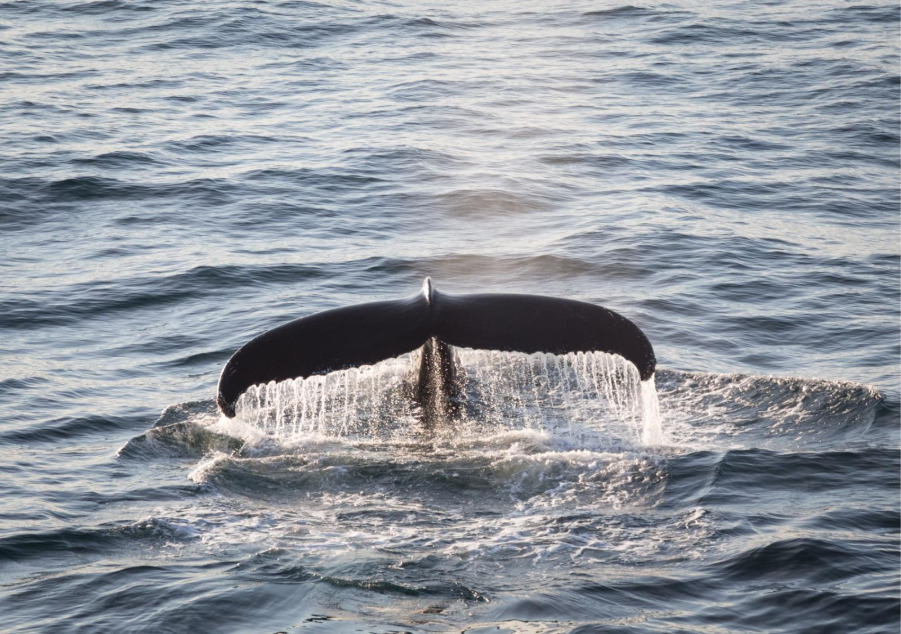
A Whale watching North Atlantic cruise along Viking routes may reveal:
- Humpback and fin whales feeding near island shelves
- Orcas patrolling coastal waters
- Seabird colonies numbering in the tens of thousands
These encounters aren’t staged or guaranteed, and that unpredictability is part of the experience. It reflects the same uncertainty the Norse faced—tempered today by expert guidance and responsible wildlife practices.
As journeys progress deeper into the voyage, the remote Arctic islands cruise with seabirds experience expands, offering repeated opportunities to observe wildlife across different habitats and latitudes.
Zodiacs, Landings, and Living History
Modern expedition travel emphasizes immersion without intrusion. Small-group Zodiac excursions Arctic Saga operations enable landings on rugged shores while minimizing environmental impact.
Guests can expect:
- Flexible landings based on daily conditions
- Strict guidelines to protect wildlife and heritage sites
- Interpretive walks led by specialists who connect geology, ecology, and Norse history
This approach transforms history from a story you hear into one you actively experience—standing where sagas once unfolded.
Extending the Norse Narrative
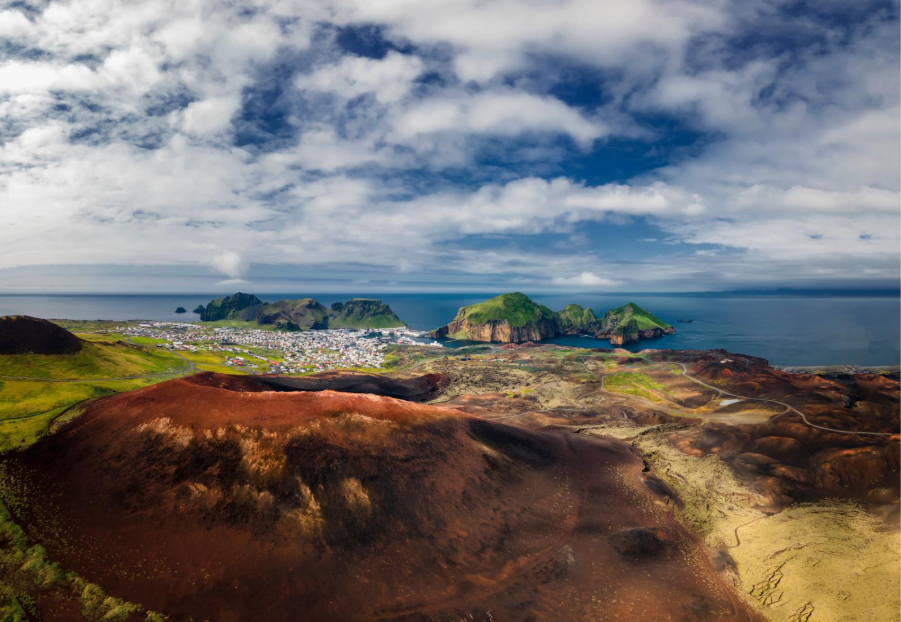
While Viking routes are most closely associated with the North Atlantic, Iceland represents a natural continuation of the Norse story. Its volcanic landscapes, sagas, and settlements remain central to understanding how Norse culture evolved.
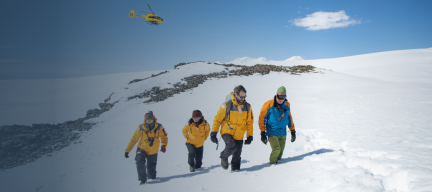
The Iceland Circumnavigation: Helicopters, Glaciers and Volcanoes expedition offers a complementary perspective—pairing history with dramatic geology and modern exploration techniques.
Explore that journey here:
👉 https://www.quarkexpeditions.com/expeditions/iceland-circumnavigation-helicopters-glaciers-and-volcanoes
For broader Arctic travel inspiration and destination guides, visit:
👉 https://www.quarkexpeditions.com/arctic
Following the Wake, Not Reenacting the Risk
What sets today’s journeys apart is intention. Travelers aren’t attempting to relive Viking hardship—but to understand it. Expedition ships provide stability, warmth, and expertise, allowing guests to focus on insight rather than survival.
Yet the spirit of exploration remains intact. Weather still dictates plans. Wildlife still appears on its own terms. And the ocean still commands respect.
For those who seek meaning alongside adventure, sailing ancient Viking routes offers something rare: the chance to experience history not as a static past, but as a living continuum shaped by sea, wind, and human curiosity.