



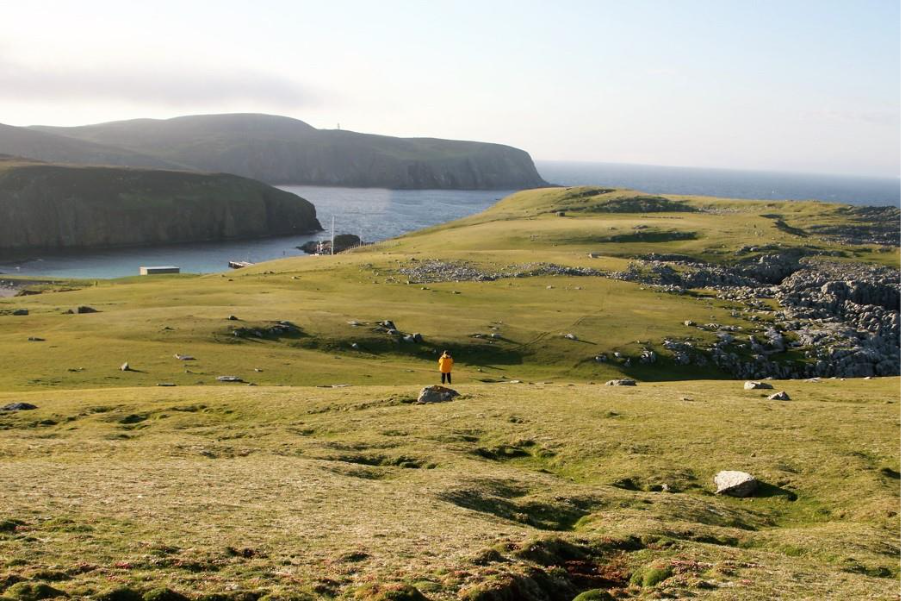
Far out in the North Atlantic, where the North Sea meets the Atlantic Ocean, lies a place few travelers ever reach—and even fewer forget. Fair Isle, a tiny speck between Orkney and Shetland, feels almost untouched by time. As interest in remote, meaningful travel continues to rise, this island is quietly emerging as one of the most compelling stops for adventure travelers seeking history, wildlife, and authenticity in one place.
For those planning an Arctic expedition cruise itinerary, Fair Isle offers something rare: a convergence of Viking heritage, dramatic seabird colonies, and a living island culture shaped by the sea.
Why This Moment Is Perfect for Visiting Fair Isle
Across the Arctic and sub-Arctic, warming oceans and shifting ecosystems are changing how and when wildlife gathers. Seabirds are especially sensitive indicators of these changes, making Fair Isle—home to over 20 breeding species—one of the most scientifically important birding locations in Europe.
At the same time, travelers are increasingly seeking places that feel real: small communities, limited visitor numbers, and experiences that can’t be replicated elsewhere. Fair Isle fits this moment perfectly. With no mass tourism infrastructure, the island remains accessible primarily by sea, best explored as part of a thoughtfully designed Faroes and Svalbard expedition that prioritizes education, conservation, and low-impact landings.
A Crossroads of Viking History and Island Life
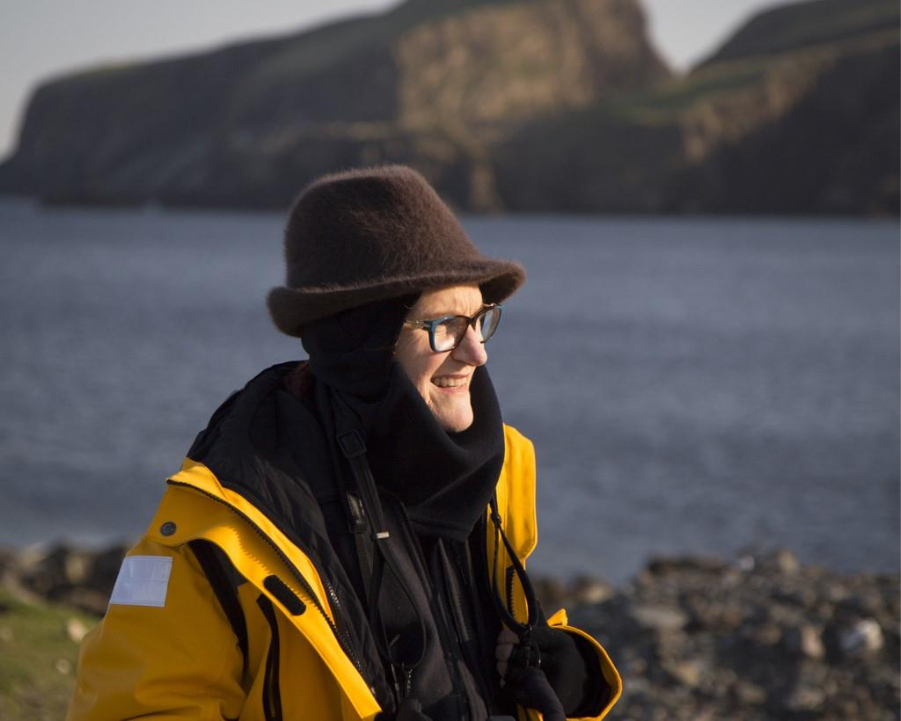
Fair Isle’s story stretches back more than a thousand years. Norse settlers once used the island as a waypoint between Scandinavia and Scotland, leaving behind place names, traditions, and a cultural identity shaped by survival in harsh conditions.
Today, fewer than 60 residents live here year-round. Their lives revolve around fishing, bird monitoring, and the famous Fair Isle knitwear tradition—patterns once used to identify families and now recognized worldwide. Walking the island feels like stepping into a living museum, where Viking influence blends seamlessly with modern island resilience.
Approaching by sea offers the most authentic arrival. Zodiac landings allow travelers to step ashore gently, guided by experts who explain both the human and natural history that define the island.
Seabird Spectacle: Puffins, Gannets, and Endless Sky
Fair Isle is globally renowned among ornithologists, but you don’t need to be an expert to be moved by the experience. During peak season, cliffs and grassy slopes come alive with sound and motion.
Expect to see:
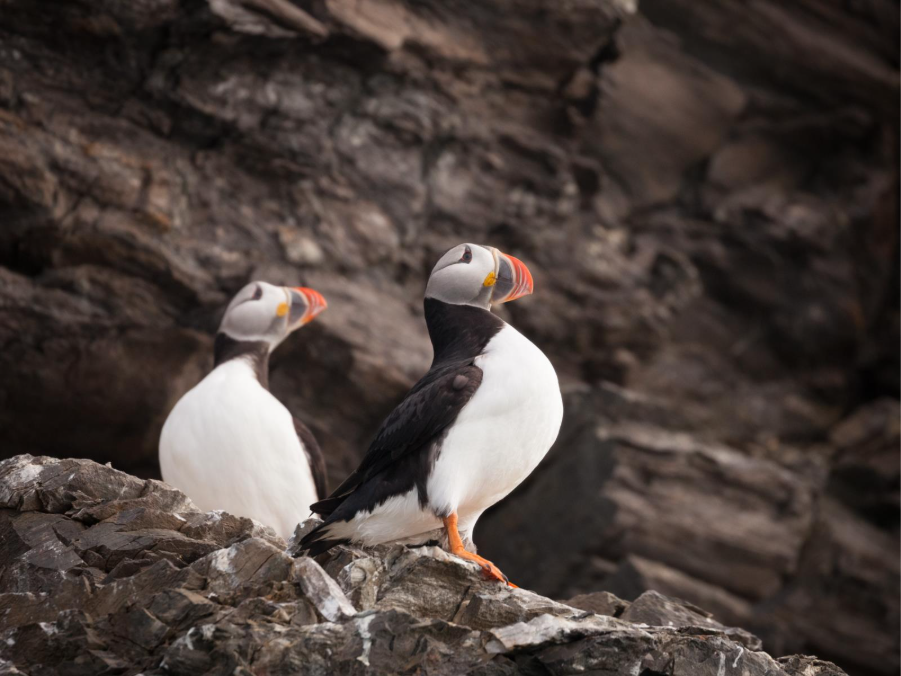
- Atlantic puffins nesting in burrows just feet away
- Northern gannets diving offshore
- Arctic terns, skuas, and fulmars riding the wind
- Migratory rarities rarely seen elsewhere in Europe
This is what makes Fair Isle such a standout stop on a wildlife cruise Arctic puffins whales itinerary. Offshore waters are equally alive, with frequent sightings of minke whales, orcas, and dolphins during crossings.
Why an Expedition Cruise Is the Best Way to Experience It
Fair Isle has no large harbor, limited accommodation, and unpredictable weather. That’s precisely why expedition cruising is the most effective—and responsible—way to visit.
A well-planned voyage provides:
- Mobility to adjust routes based on wildlife and conditions
- Zodiac access to remote shorelines
- Onboard experts in history, geology, and birdlife
- Comfort and safety without sacrificing authenticity
Journeys like the Arctic Saga cruise naturally include Fair Isle as part of a broader North Atlantic narrative, connecting Scotland to the Faroes, Jan Mayen, and onward into the high Arctic.
Explore the full itinerary here:
👉 https://www.quarkexpeditions.com/expeditions/arctic-saga-exploring-spitsbergen-the-faroes-and-jan-mayen
For travelers considering early planning, Quark’s upcoming Arctic departures are outlined here:
👉 https://www.quarkexpeditions.com/arctic/new-season
Fair Isle Within a Bigger Arctic Story
Fair Isle is small—but its impact is amplified when experienced as part of a larger journey north. As ships continue onward, landscapes grow wilder, glaciers replace green hills, and the cultural thread shifts from Norse Scotland to polar Norway.
This transition is especially powerful for those embarking on a Svalbard cruise from Scotland, where Fair Isle serves as a cultural and ecological bridge between the familiar and the extreme Arctic. The contrast deepens appreciation for how humans and wildlife adapt across latitudes.
Later in the voyage, destinations like Spitsbergen deliver towering glaciers, polar bears, and vast fjord systems—an evolution that feels natural after Fair Isle’s intimate scale.
What Travelers Can Expect Along the Way
A Fair Isle visit is rarely rushed. Time ashore is unhurried, with opportunities to:
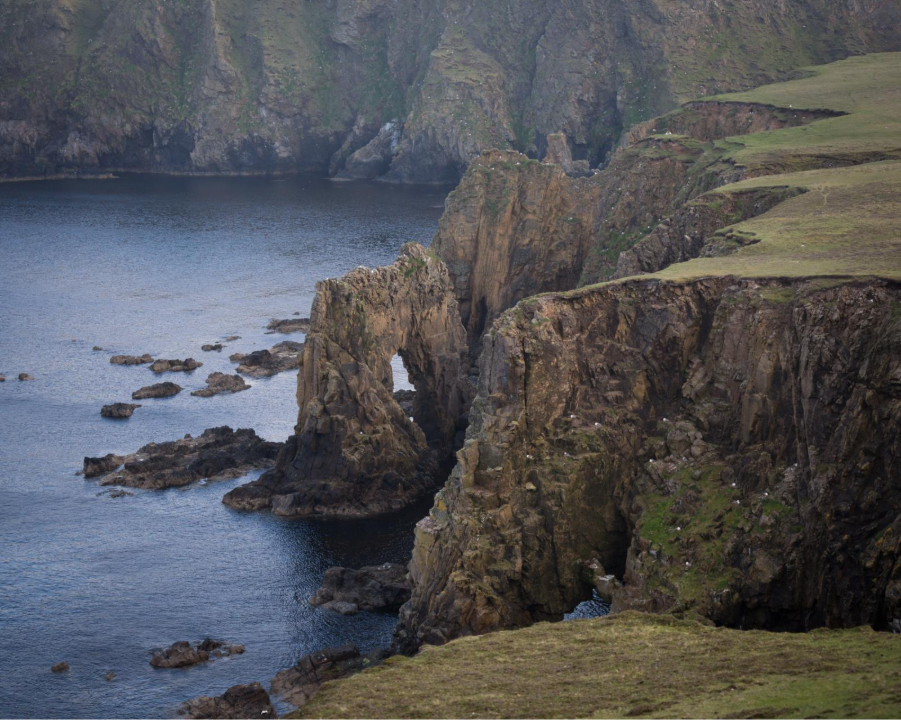
- Walk coastal paths guided by naturalists
- Visit the bird observatory and historic sites
- Photograph cliffs, knitwear, and seabird colonies
- Engage with residents who still live by the rhythms of wind and sea
For those looking to extend their Arctic experience further north, Quark’s broader Arctic journeys—including complete circumnavigations of Spitsbergen—offer a deeper immersion into polar environments:
👉 https://www.quarkexpeditions.com/expeditions/spitsbergen-circumnavigation-rite-of-passage
👉 https://www.quarkexpeditions.com/arctic
These voyages build naturally on the foundations Fair Isle provides: respect for nature, patience, and perspective.
A Quiet Place With a Lasting Impact
Fair Isle doesn’t overwhelm. It doesn’t shout. Instead, it leaves an impression that lingers—through the echo of seabirds, the geometry of knitted patterns, and the realization that some of the world’s most meaningful places remain small and fragile.
For adventure travelers seeking substance over spectacle, Fair Isle is not just a stop—it’s a reminder of why exploration still matters.


