



Key Takeaways
- Punta Arenas is the operational heart for Antarctic expeditions, offering efficient logistics and reduced transit time to the continent
- The city combines maritime history, practical amenities, and genuine charm before travelers head south
- Modern expedition vessels, flexible routing, and experienced guides make Antarctic expeditions the ideal way to explore this remote region
- Strategic gateway status means more time on the continent itself, less time in transit
The Gateway Moment
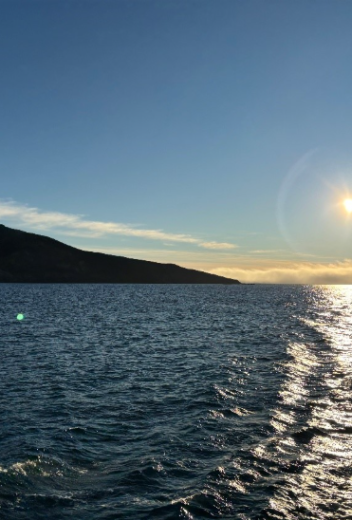
At the southern edge of Chile, where maritime history shaped centuries of global exploration, Punta Arenas sits on the Strait of Magellan preparing modern travelers for journeys to Earth’s most remote continent. Windswept yet functional, historic yet thoroughly modern, this Patagonian city has become the essential gateway to Antarctica for expedition travelers worldwide. Ask any Quark Expedition Leader, and they’ll tell you: the moment guests arrive here, their sense of anticipation shifts. The journey south has truly begun.
For anyone planning or researching Antarctic expeditions from Chile, Punta Arenas is far more than a transit hub. It’s the threshold where anticipation builds before icebergs, penguin colonies, and vast silence completely reshape your sense of place and perspective.

Why This Moment Is Ideal for Southern Travel
Antarctica continues to draw attention for reasons both scientific and personal. Today’s responsible expedition travel reflects a deeper purpose: offering genuine access supported by experienced Polar Expedition Leaders, modern vessel fleets, and genuine educational focus on the ecosystems you’ll encounter.
One significant shift has reshaped Antarctic travel logistics. Travelers now have meaningful options to reduce days spent crossing the open ocean and increase days exploring the continent itself. This improvement stems directly from Punta Arenas’ strategic advantages: reliable airport infrastructure, proximity to Antarctic flight routes, decades of operational experience, and partnership with established expedition operators like Quark Expeditions, an IAATO and AECO member.
The combination of these factors makes Punta Arenas the gateway to Antarctica that maximizes expedition time while minimizing unnecessary transit.
Before Heading South: A Practical, Historic City
Spend even a short time here, and you’ll understand why travelers often extend their pre-expedition days. Punta Arenas is compact, walkable, and thoroughly shaped by maritime history tied to the Strait of Magellan—the historic waterway that once determined global trade routes.
What to Experience in Punta Arenas
Plaza Muñoz Gamero – The city’s central square and cultural heartbeat, ringed by colonial architecture and local energy
Cerro de la Cruz – A short walk uphill rewards you with sweeping views across the Strait of Magellan and the city’s rooftops
Museo Nao Victoria – Full-scale ship replicas that echo the spirit of exploration and the city’s maritime legacy
Maggiorino Borgatello Salesian Museum – Authentic insight into Patagonian natural history and the indigenous cultures that shaped the region
Isla Magdalena – (seasonal, accessible by boat) Your first penguin encounter, home to a thriving Magellanic penguin colony
These experiences aren’t distractions from expedition planning; they’re part of the rhythm of preparation. They ground you in the region’s history before you step into one of the world’s last true wilderness areas.

Dining and Transition
Punta Arenas’ food reflects its geography and climate: warm, satisfying, centered on locally sourced seafood. La Luna stands out among local recommendations for both atmosphere and execution. Known for its eclectic interior design and Patagonian king crab specialties, it’s an ideal place to settle into a slower pace before expedition travel begins.
The larger point: this is about transition. Eating well, warming up, and allowing yourself to shift mentally from city travel to polar exploration. Punta Arenas offers space for that shift in a way that many transatlantic airports do not.
Why Expedition Voyages Work in Antarctica
An Antarctic expedition voyage functions as a moving basecamp rather than conventional transportation. Routes adjust in real-time to ice conditions and weather, Zodiac landing craft provide access to remote shorelines and penguin colonies, and onboard specialists help you understand the landscapes, wildlife, and geological forces that have shaped this continent.
Flexibility is a feature, not a compromise. Each day unfolds according to conditions, guided by Polar Expedition Leaders trained in AECO and IAATO protocols and experts in reading the ice, wildlife behavior, and safe landing access.
For travelers prioritizing efficiency, a Fly-Cruise option is especially compelling—it reduces long sea crossings while preserving the immersive onboard experience and expedition landing days that make Antarctic travel transformative. Punta Arenas serves as the operational heart of these itineraries. Many travelers start by exploring the full range of expedition styles and Antarctic itineraries available, then narrow their focus to specific voyage dates and ship types.
One increasingly popular approach combines efficient air transport with scenic ocean travel: the Antarctic Express: Fly South, Sail North itinerary pairs an efficient flight south with a scenic Drake Passage crossing on the return voyage, offering the best of both approaches.

What Awaits: The Continent Itself
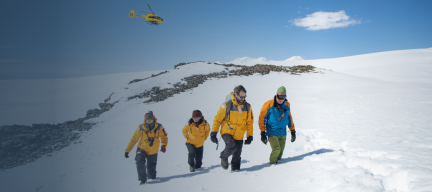
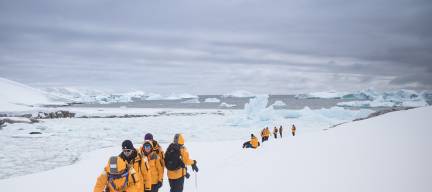
Antarctica delivers moments that defy comparison—Zodiac cruises through iceberg-choked channels, massive penguin colonies, towering calving glaciers, and a landscape so vast it recalibrates your sense of scale. Each day unfolds according to ice and weather, making the expedition an exercise in presence and adaptation.
Common highlights include the Antarctic Peninsula, South Shetland Islands, and seasonal opportunities in the Weddell Sea (accessible only in select years when ice permits). Wildlife encounters include Emperor, Adélie, Gentoo, and Chinstrap penguins; Weddell and leopard seals; humpback and minke whales; and, in Arctic regions, polar bears observed from a safe distance following AECO guidelines.
Travelers refining their planning often compare voyage routes, ship experiences, and seasonal timing through detailed expedition resources. Another strong option is the Antarctic Express: Fly the Drake itinerary, designed for those prioritizing maximum continent time while minimizing open-ocean transit days.

FAQ: Planning Your Punta Arenas Gateway
How long should I spend in Punta Arenas before my expedition?
A single night allows you to rest and explore. Two or three nights let you experience Plaza Muñoz Gamero, museums, and local dining without rushing. This buffer also protects against unexpected flight delays.
Do I need a visa to visit Chile and Punta Arenas?
Visa requirements depend on your nationality. US and Canadian citizens typically do not require a visa for tourism stays of up to 90 days. Always confirm current requirements with your government’s travel advisory before booking.
Is Punta Arenas expensive?
By North American standards, it’s reasonable. Meals at quality restaurants range from $15 to $35 USD. Museum entry costs $5 to $10. Your expedition operator typically handles accommodations and can recommend appropriately priced options.
What should I pack for Punta Arenas?
Layers are essential—Patagonian weather shifts rapidly. Bring a windproof jacket, warm layers, and waterproof footwear. Your expedition operator will provide detailed packing lists specific to your voyage dates and destinations.
Can I see Isla Magdalena year-round?
No—seasonal tours operate primarily from November through January (Southern Hemisphere summer). Always confirm with your operator whether this excursion is available for your travel dates.
A Thoughtful Next Step
If Antarctic expeditions feel closer than ever, the simplest and most effective next move is to compare two or three itineraries side by side and request detailed information for your preferred travel window. Allowing a calm arrival day in Punta Arenas often makes your entire Antarctic expedition from Chile feel smoother, more grounded, and genuinely immersive from the very beginning.
Start by exploring Quark Expeditions’ Antarctic voyage options and requesting a consultation. Our Polar Expedition Leaders and expedition specialists are here to match you with the voyage that fits your travel style, timeline, and budget.
The gateway is ready. The question is when you’ll step through it.