



Antarctic · From 11 Days
Antarctic Express
Crossing the Circle
Starts from $27,695 USD
$23,541 USD
- Starting from
- Punta Arenas, Chile
- Ships
- Ocean Explorer, World Voyager
- Departures
- 3 Departures between January 2027 to February 2028
From $27,695 USD
$ 23,541 USD


Expedition Overview
Check off a travel milestone by crossing the Antarctic Circle with the best expedition team in the industry. Our 11-day Antarctic Express: Crossing the Circle voyage enables you to skip the notorious Drake Passage sailing with a charter flight to and from King George Island, where your Antarctic adventure begins and ends. Cruise the stunning Antarctic Peninsula, then push farther to 66°33′ south. Along the way, add bucket-list experiences like sea kayaking through iceberg-dotted channels and unforgettable wildlife encounters.
Highlights
Fly over the Drake Passage and experience the fastest, most direct way to Antarctica
Witness iconic Antarctic wildlife, such as penguins, seals and whales
Marvel at Antarctic Peninsula highlights, including crossing the Antarctic Circle
Celebrate crossing the Antarctic Circle with a toast
Enjoy presentations on wildlife, history, glaciology & geology by our onboard polar experts
Select Your Season & Itinerary
Select Season
Punta Arenas, Chile
11 Days · Ocean Explorer
Starts from $23,541 USD
Punta Arenas, Chile
11 Days · World Voyager
Starts from $30,426 USD
Select Itinerary
Punta Arenas, Chile
11 Days · Ocean Explorer
Starts from $23,541 USD
Punta Arenas, Chile
11 Days · World Voyager
Starts from $30,426 USD
11 Days – From Punta Arenas, Chile on Ocean Explorer (Season 2026.27)
Itinerary Activities
-
Included Activities
Zodiac Cruising, Hiking, Science and Discovery, Polar Plunge, Photography, Presentations -
Adventure Options
Sea Kayaking, Paddling Excursion
Day By Day & Map
-
Day 1
Arrive in Punta Arenas, Chile
Your adventure begins in Punta Arenas, Chile, the most populated city in southern Patagonia. If you arrive early, there are many museums, restaurants and shops to keep you busy for days. By early afternoon, a Quark Expeditions representative will meet you at the official starting point hotel, where you’ll enjoy a welcome dinner and be briefed on preparations for your embarkation day.
-
Day 2
Fly to King George Island and Embarkation
Your charter flight from Punta Arenas to Antarctica enables you to cross the legendary Drake Passage in only two hours, while far below your ship will approach King George Island for your arrival. Your first glimpse of dramatic Antarctic landscapes will be from a unique perspective, as your plane descends for landing in the South Shetland Islands. After landing, make your way to the shore, before being transferred by Zodiac to your ship to set sail for the Antarctic Peninsula!
-
Day 3 to 5
Antarctic Peninsula and South Shetland Islands
There are few places in the world as evocative as Antarctica. The Antarctic Continent is indescribable and can only be fully appreciated through your own eyes.
Even more exciting are your land excursions. Your first Zodiac landing is something you’ll never forget! Setting foot on a beach inhabited by thousands of penguins is the most intimate way to experience the unique wildlife of Antarctica.
Each landing is different and dependent on weather, but every day presents new sightings and photo opportunities, and it won’t be long before you can tell the difference between an Adélie, gentoo and chinstrap penguin.
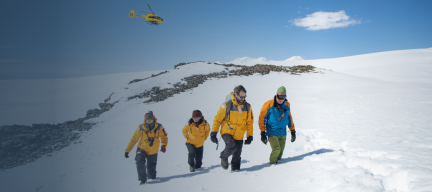
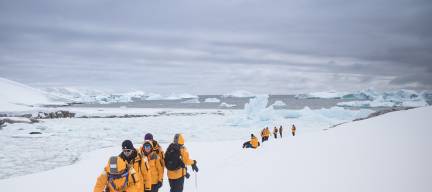
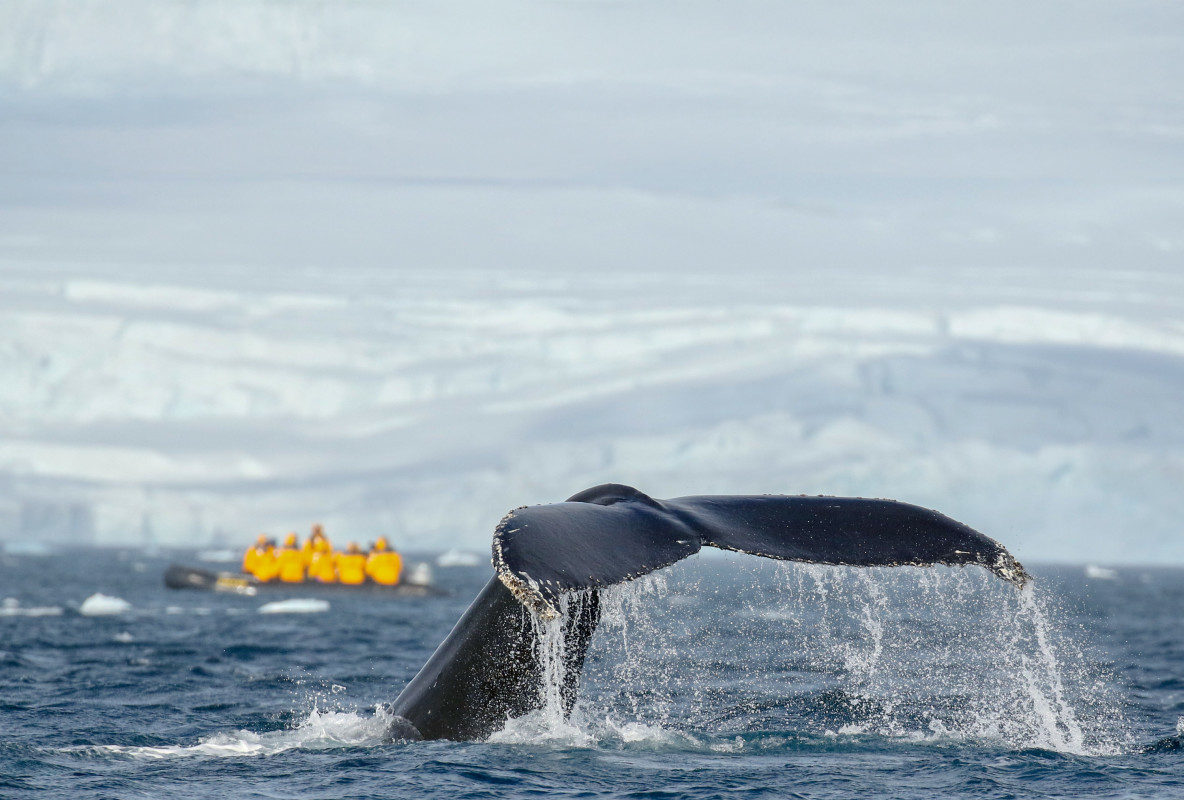
You may take a Zodiac cruise in search of whales and icebergs one day, followed by a hike to a penguin rookery the next day. From the booming sound of a calving glacier to the thrill of spotting apex predators like leopard seals and orcas in action, you’ll wake up early and welcome each day with a sense of adventure and a desire to explore this unrivaled wilderness experience.
Your Expedition Team will accompany you along the way, ensuring safety and providing insights into the places you visit. Our expert education team will also provide in-depth explanations of the glaciology, history and wildlife of the region.
-
Day 6 & 7
Antarctic Circle
Crossing the Antarctic Circle is both a memorable experience and impressive achievement, as few travelers reach so far south. If conditions allow us to cross this famed latitude of 66°33 ́ S, we’ll toast the first explorers who ventured here, and you can raise a glass and take pride in knowing you’ve made it to a part of the world visited by very few people. This is raw Antarctica, home of the midnight sun, Weddell seals, and your best chances of encountering sea ice – the foundation of the Antarctic marine ecosystem.
-
Day 8 & 9
Northbound Along the Peninsula
If you haven’t had your fill of Antarctic wildlife and icebergs by now, you’ll surely be satisfied by the time you return to King George Island. You will continue to explore by Zodiac or on land as you travel north along the western Antarctic Peninsula.
Your Expedition Team will always be on the lookout for species of seabirds, seals and whales that may have eluded you on your journey south.
-
Day 10
Disembarkation and Fly to Punta Arenas
After your week of exploration, you’ll say goodbye to your Expedition Team and disembark at King George Island. Your two-hour flight across the Drake Passage to Punta Arenas, Chile, brings your adventure to an end. After your group transfer to the hotel, you are free to explore and enjoy an evening on your own, in the city or at the hotel to reminisce about the sights and sounds of Antarctica.
-
Day 11
Depart Punta Arenas
After breakfast, you are welcome to continue on your own travels or make your way to the Punta Arenas airport for your homeward flights.

Details for Selected Itinerary
-
Included Activities
Zodiac Cruising, Hiking, Science and Discovery, Polar Plunge, Photography, Presentations -
Adventure Options
Sea Kayaking, Paddling Excursion
What’s Included & Excluded
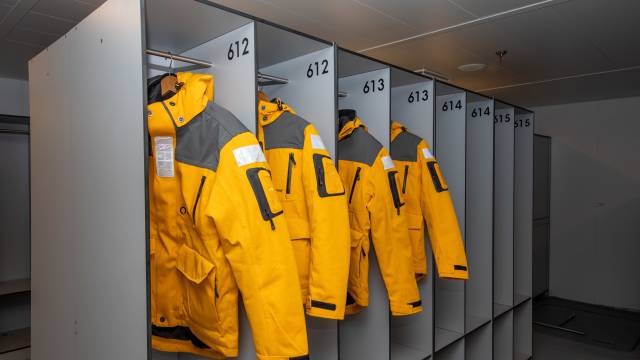
- An official Quark Expeditions parka to keep
- Leadership throughout the voyage by our experienced Expedition Team, including shore landings and other activities
- All Zodiac transfers and cruising as per the daily program
- All shore landings as per the daily program
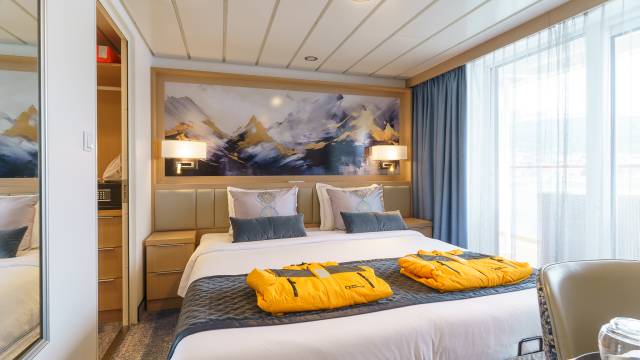
- Shipboard accommodation with daily housekeeping
- All meals, snacks, soft drinks and juices on board throughout your voyage. Please inform us of any dietary requirements as far in advance as possible. Unfortunately, the ships’ galleys cannot prepare kosher meals
- Complimentary select beer, wines and select cocktails during bar service hours and dinner
- Complimentary coffee, tea and cocoa available around the clock
- Formal and informal presentations by our Expedition Team and guest speakers as scheduled
- A photographic journal documenting your expedition
- A pair of waterproof expedition boots on loan for landings and Zodiac cruising excursions
- Hair dryer and bathrobes in every cabin
- All miscellaneous service taxes and port charges throughout the program
- All luggage handling aboard the ship
- Emergency Evacuation insurance for all passengers to a maximum benefit of USD $500,000 per person
- A group arrival transfer in Punta Arenas from airport to pre-expedition hotel on Day 1
- One night’s pre-expedition hotel accommodation in Punta Arenas with breakfast. (Note: The number of guests per room is the same as cabin occupancy on the ship. Due to limited availability, travelers who reserve a suite on board are accommodated in standard rooms at the hotel. Triple rooms may not be available.)
- Ocean Explorer guests enjoy complimentary Wi-Fi service on one device permitting basic Internet browsing, email, posting on social media and voice applications.
- A briefing dinner on Day 1 in Punta Arenas
- A pre-expedition group transfer in Punta Arenas from the hotel to the airport
- Flights to and from King George Island
- A post-expedition group transfer in Punta Arenas from the airport to the hotel
- One night’s post-expedition hotel accommodation in Punta Arenas with breakfast
- International airfare
- Passport and applicable visa expenses
- Government arrival and departure taxes not mentioned
- Meals unless otherwise specified
- Baggage, cancellation, interruption and medical travel insurance—strongly recommended
- Excess-baggage fees on international and domestic flights
- Mandatory waterproof pants for Zodiac landing and cruising excursions, or any other gear not mentioned
- Laundry, bar, spa services and other personal charges, unless specified
- Phone and Internet charges (connectivity may vary by location)
- Voluntary gratuity at the end of the voyage for expedition staff and shipboard crew
- Additional overnight accommodation
- Arrival and departure transfers, except where explicitly stated
- Adventure Options not listed in Included Activities
11 Days – From Punta Arenas, Chile on Ocean Explorer (Season 2026.27)
11 Days – From Punta Arenas, Chile on Ocean Explorer (Season 2026.27)
-
Day 1
Arrive in Punta Arenas, Chile
Your adventure begins in Punta Arenas, Chile, the most populated city in southern Patagonia. If you arrive early, there are many museums, restaurants and shops to keep you busy for days. By early afternoon, a Quark Expeditions representative will meet you at the official starting point hotel, where you’ll enjoy a welcome dinner and be briefed on preparations for your embarkation day.
-
Day 2
Fly to King George Island and Embarkation
Your charter flight from Punta Arenas to Antarctica enables you to cross the legendary Drake Passage in only two hours, while far below your ship will approach King George Island for your arrival. Your first glimpse of dramatic Antarctic landscapes will be from a unique perspective, as your plane descends for landing in the South Shetland Islands. After landing, make your way to the shore, before being transferred by Zodiac to your ship to set sail for the Antarctic Peninsula!
-
Day 3 to 5
Antarctic Peninsula and South Shetland Islands
There are few places in the world as evocative as Antarctica. The Antarctic Continent is indescribable and can only be fully appreciated through your own eyes.
Even more exciting are your land excursions. Your first Zodiac landing is something you’ll never forget! Setting foot on a beach inhabited by thousands of penguins is the most intimate way to experience the unique wildlife of Antarctica.
Each landing is different and dependent on weather, but every day presents new sightings and photo opportunities, and it won’t be long before you can tell the difference between an Adélie, gentoo and chinstrap penguin.
You may take a Zodiac cruise in search of whales and icebergs one day, followed by a hike to a penguin rookery the next day. From the booming sound of a calving glacier to the thrill of spotting apex predators like leopard seals and orcas in action, you’ll wake up early and welcome each day with a sense of adventure and a desire to explore this unrivaled wilderness experience.
Your Expedition Team will accompany you along the way, ensuring safety and providing insights into the places you visit. Our expert education team will also provide in-depth explanations of the glaciology, history and wildlife of the region.
-
Day 6 & 7
Antarctic Circle
Crossing the Antarctic Circle is both a memorable experience and impressive achievement, as few travelers reach so far south. If conditions allow us to cross this famed latitude of 66°33 ́ S, we’ll toast the first explorers who ventured here, and you can raise a glass and take pride in knowing you’ve made it to a part of the world visited by very few people. This is raw Antarctica, home of the midnight sun, Weddell seals, and your best chances of encountering sea ice – the foundation of the Antarctic marine ecosystem.
-
Day 8 & 9
Northbound Along the Peninsula
If you haven’t had your fill of Antarctic wildlife and icebergs by now, you’ll surely be satisfied by the time you return to King George Island. You will continue to explore by Zodiac or on land as you travel north along the western Antarctic Peninsula.
Your Expedition Team will always be on the lookout for species of seabirds, seals and whales that may have eluded you on your journey south.
-
Day 10
Disembarkation and Fly to Punta Arenas
After your week of exploration, you’ll say goodbye to your Expedition Team and disembark at King George Island. Your two-hour flight across the Drake Passage to Punta Arenas, Chile, brings your adventure to an end. After your group transfer to the hotel, you are free to explore and enjoy an evening on your own, in the city or at the hotel to reminisce about the sights and sounds of Antarctica.
-
Day 11
Depart Punta Arenas
After breakfast, you are welcome to continue on your own travels or make your way to the Punta Arenas airport for your homeward flights.
11 Days – From Punta Arenas, Chile on World Voyager (Season 2026.27)
Itinerary Activities
-
Included Activities
Zodiac Cruising, Hiking, Science and Discovery, Polar Plunge, Photography, Presentations -
Adventure Options
Sea Kayaking, Paddling Excursion, Stand-Up Paddleboarding
Day By Day & Map
-
Day 1
Arrive in Punta Arenas, Chile
Your adventure begins in Punta Arenas, Chile, the most populated city in southern Patagonia. If you arrive early, there are many museums, restaurants and shops to keep you busy for days. By early afternoon, a Quark Expeditions representative will meet you at the official starting point hotel, where you’ll enjoy a welcome dinner and be briefed on preparations for your embarkation day.
-
Day 2
Fly to King George Island and Embark
Your charter flight from Punta Arenas to Antarctica enables you to cross the legendary Drake Passage in only two hours, while far below your ship will approach King George Island for your arrival. Your first glimpse of dramatic Antarctic landscapes will be from a unique perspective, as your plane descends for landing in the South Shetland Islands. After landing, make your way to the shore, before being transferred by Zodiac to your ship to set sail for the Antarctic Peninsula.
-
Day 3 to 5
Antarctic Peninsula and South Shetland Islands
There are few places in the world as evocative as Antarctica. The Antarctic Continent is indescribable and can only be fully appreciated through your own eyes. Even more exciting are your land excursions. Your first Zodiac landing is something you’ll never forget. Setting foot on a beach inhabited by thousands of penguins is the most intimate way to experience the unique wildlife of Antarctica. Each landing is different and dependent on weather, but every day presents new sightings and photo opportunities, and it won’t be long before you can tell the difference between an Adélie, gentoo and chinstrap penguin. You may take a Zodiac cruise in search of whales and icebergs one day, followed by a hike to a penguin rookery the next day. From the booming sound of a calving glacier to the thrill of spotting apex predators like leopard seals and orcas in action, you’ll wake up early and welcome each day with a sense of adventure and a desire to explore this unrivaled wilderness experience. Your Expedition Team will accompany you along the way, ensuring safety and providing insights into the places you visit. Our expert education team will also provide in-depth explanations of the glaciology, history and wildlife of the region.
-
Day 6 & 7
Antarctic Circle
Crossing the Antarctic Circle is both a memorable experience and impressive achievement, as few travelers reach so far south. If conditions allow us to cross this famed latitude of 66°33´ S, we’ll toast the first explorers who ventured here, and you can raise a glass and take pride in knowing you’ve made it to a part of the world visited by very few people. This is raw Antarctica, home of the midnight sun, Weddell seals, and your best chances of encountering sea ice – the foundation of the Antarctic marine ecosystem.
-
Day 8 & 9
Northbound Along the Peninsula
If you haven’t had your fill of Antarctic wildlife and icebergs by now, you’ll surely be satisfied by the time you return to King George Island. You will continue to explore by Zodiac or on land as you travel north along the western Antarctic Peninsula. Your Expedition Team will always be on the lookout for species of seabirds, seals and whales that may have eluded you on your journey south.
-
Day 10
Disembark and fly to Punta Arenas
After your week of exploration, you’ll say goodbye to your Expedition Team and disembark at King George Island. Your two-hour flight across the Drake Passage to Punta Arenas, Chile, brings your adventure to an end. After your group transfer to the hotel, you are free to explore and enjoy an evening on your own, in the city or at the hotel to reminisce about the sights and sounds of Antarctica.
-
Day 11
Depart Punta Arenas
After breakfast, you are welcome to continue on your own travels or make your way to the Punta Arenas airport for your homeward flights.

Details for Selected Itinerary
-
Included Activities
Zodiac Cruising, Hiking, Science and Discovery, Polar Plunge, Photography, Presentations -
Adventure Options
Sea Kayaking, Paddling Excursion, Stand-Up Paddleboarding
What’s Included & Excluded
- An official Quark Expeditions parka to keep
- Leadership throughout the voyage by our experienced Expedition Team, including shore landings and other activities
- All Zodiac transfers and cruising as per the daily program
- All shore landings as per the daily program
- Shipboard accommodation with daily housekeeping
- All meals, snacks, soft drinks and juices on board throughout your voyage.
- Complimentary select beer, wines and cocktails during bar service hours and dinner
- Complimentary coffee, tea and cocoa available around the clock
- Formal and informal presentations by our Expedition Team and guest speakers as scheduled
- A photographic journal documenting your expedition
- A pair of waterproof expedition boots on loan for landings and Zodiac cruising excursions
- Hair dryer and bathrobes in every cabin
- All miscellaneous service taxes and port charges throughout the program
- All luggage handling aboard the ship
- A group arrival transfer in Punta Arenas from airport to pre-expedition hotel on Day 1
- One night’s pre-expedition hotel accommodation in Punta Arenas with breakfast. (Note: The number of guests per room is the same as cabin occupancy on the ship. Due to limited availability, travelers who reserve a suite on board are accommodated in standard rooms at the hotel. Triple rooms may not be available.)
- World Voyager guests will receive a free 1GB data card for limited Wi-Fi access for use on one device, permitting basic Internet browsing, email, posting on social media and voice applications. (Additional data can be purchased on ship.) Note: Internet access in the polar regions is subject to geography, climate, and other factors beyond our control.
- A briefing dinner on Day 1 in Punta Arenas
- A pre-expedition group transfer in Punta Arenas from the hotel to the airport
- Flights to and from King George Island
- A post-expedition group transfer in Punta Arenas from the airport to the hotel
- One night’s post-expedition hotel accommodation (with breakfast) in Punta Arenas, as well as luggage storage.
- International airfare
- Passport and applicable visa expenses
- Government arrival and departure taxes not mentioned
- Baggage, cancellation, interruption and medical travel insurance—strongly recommended
- Our complimentary alcohol and bar service does not include spirits
- Excess-baggage fees on international and domestic flights
- Mandatory waterproof pants for Zodiac landing and cruising excursions, or any other gear not mentioned
- Mandatory waterproof pants for Zodiac landing and cruising excursions, or any other gear not mentioned
- Phone charges may vary by location
- Our complimentary data card does not include Premium packages which enable more dataintensive applications
- Voluntary gratuity at the end of the voyage for expedition staff and shipboard crew
- Additional overnight accommodation
- Arrival and departure transfers, except where explicitly stated
- Adventure Options not listed in Included Activities.
11 Days – From Punta Arenas, Chile on World Voyager (Season 2026.27)
11 Days – From Punta Arenas, Chile on World Voyager (Season 2026.27)
-
Day 1
Arrive in Punta Arenas, Chile
Your adventure begins in Punta Arenas, Chile, the most populated city in southern Patagonia. If you arrive early, there are many museums, restaurants and shops to keep you busy for days. By early afternoon, a Quark Expeditions representative will meet you at the official starting point hotel, where you’ll enjoy a welcome dinner and be briefed on preparations for your embarkation day.
-
Day 2
Fly to King George Island and Embark
Your charter flight from Punta Arenas to Antarctica enables you to cross the legendary Drake Passage in only two hours, while far below your ship will approach King George Island for your arrival. Your first glimpse of dramatic Antarctic landscapes will be from a unique perspective, as your plane descends for landing in the South Shetland Islands. After landing, make your way to the shore, before being transferred by Zodiac to your ship to set sail for the Antarctic Peninsula.
-
Day 3 to 5
Antarctic Peninsula and South Shetland Islands
There are few places in the world as evocative as Antarctica. The Antarctic Continent is indescribable and can only be fully appreciated through your own eyes. Even more exciting are your land excursions. Your first Zodiac landing is something you’ll never forget. Setting foot on a beach inhabited by thousands of penguins is the most intimate way to experience the unique wildlife of Antarctica. Each landing is different and dependent on weather, but every day presents new sightings and photo opportunities, and it won’t be long before you can tell the difference between an Adélie, gentoo and chinstrap penguin. You may take a Zodiac cruise in search of whales and icebergs one day, followed by a hike to a penguin rookery the next day. From the booming sound of a calving glacier to the thrill of spotting apex predators like leopard seals and orcas in action, you’ll wake up early and welcome each day with a sense of adventure and a desire to explore this unrivaled wilderness experience. Your Expedition Team will accompany you along the way, ensuring safety and providing insights into the places you visit. Our expert education team will also provide in-depth explanations of the glaciology, history and wildlife of the region.
-
Day 6 & 7
Antarctic Circle
Crossing the Antarctic Circle is both a memorable experience and impressive achievement, as few travelers reach so far south. If conditions allow us to cross this famed latitude of 66°33´ S, we’ll toast the first explorers who ventured here, and you can raise a glass and take pride in knowing you’ve made it to a part of the world visited by very few people. This is raw Antarctica, home of the midnight sun, Weddell seals, and your best chances of encountering sea ice – the foundation of the Antarctic marine ecosystem.
-
Day 8 & 9
Northbound Along the Peninsula
If you haven’t had your fill of Antarctic wildlife and icebergs by now, you’ll surely be satisfied by the time you return to King George Island. You will continue to explore by Zodiac or on land as you travel north along the western Antarctic Peninsula. Your Expedition Team will always be on the lookout for species of seabirds, seals and whales that may have eluded you on your journey south.
-
Day 10
Disembark and fly to Punta Arenas
After your week of exploration, you’ll say goodbye to your Expedition Team and disembark at King George Island. Your two-hour flight across the Drake Passage to Punta Arenas, Chile, brings your adventure to an end. After your group transfer to the hotel, you are free to explore and enjoy an evening on your own, in the city or at the hotel to reminisce about the sights and sounds of Antarctica.
-
Day 11
Depart Punta Arenas
After breakfast, you are welcome to continue on your own travels or make your way to the Punta Arenas airport for your homeward flights.
Explore Activities
Activities vary by itinerary, ship, destination and are subject to weather conditions. Checkout our Itineraries to explore what’s included in each voyage.




Expedition Ships


















Possible Excursions
When traveling in extremely remote regions, your Expedition Team must consider the sea, ice and weather to guide the route and itinerary details. The following sites are a sample of what you may experience on your expedition, whether by ship, Zodiac cruise, helicopter, or shore landing.
South Shetland Islands

Antarctic Peninsula

The Antarctic Circle
South Shetland Islands
-
Aitcho Islands
This group of small islands, some still unnamed, is situated in the northern entrance of the English Strait. You can often spot a great mix of wildlife in the area, with gentoo and chinstrap penguins having established rookeries on the islands. Southern elephant and fur seals frequently haul out here, too.
-
Deception Island
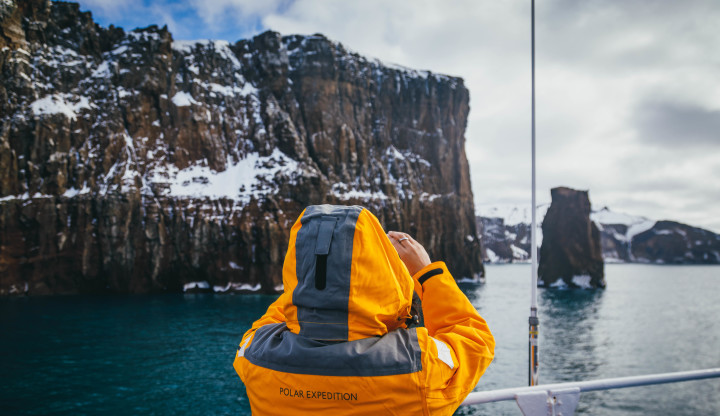
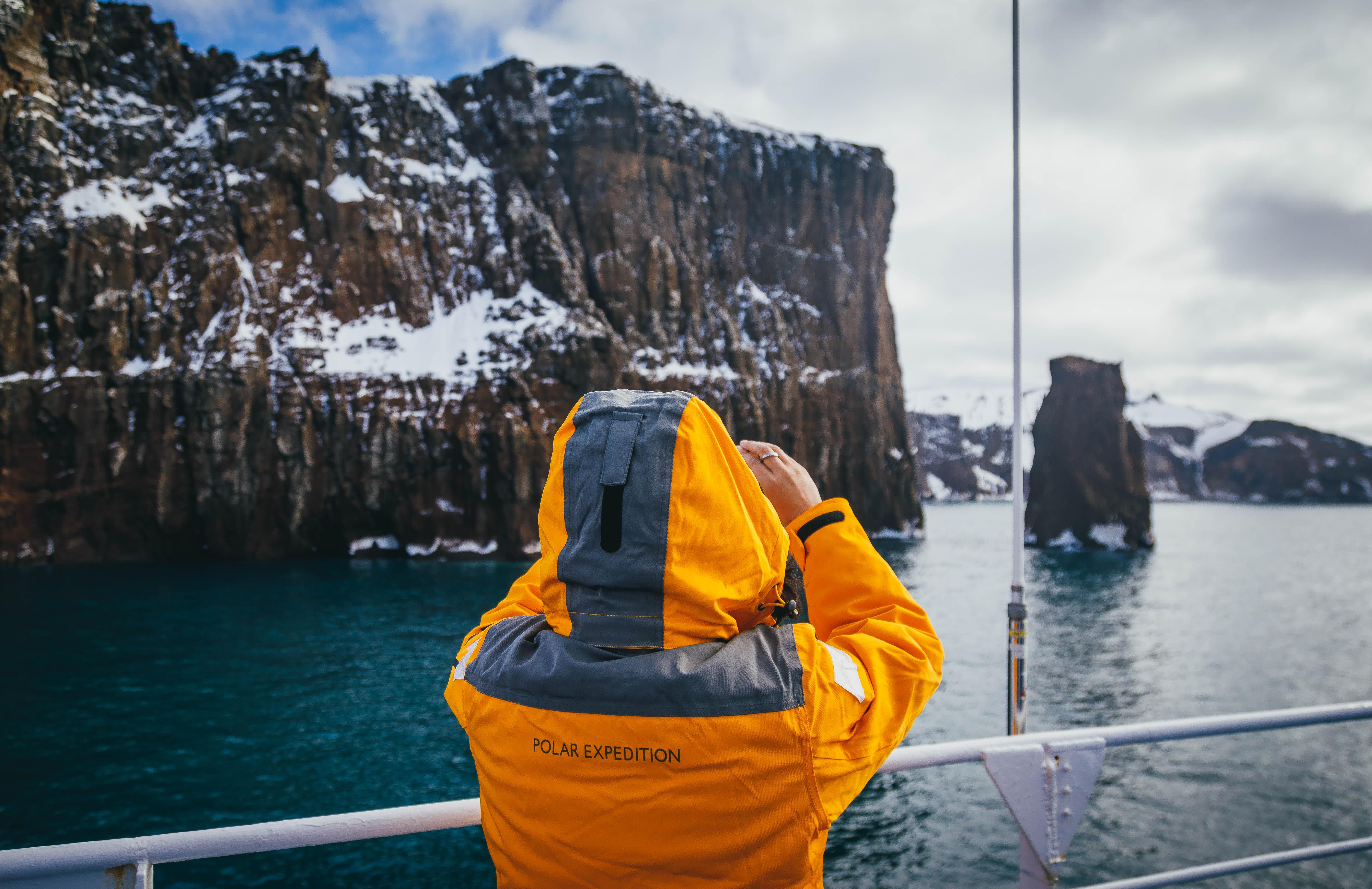
Deception Island is a flooded circular caldera formed by the collapse of an active volcano. To reach this protected harbor, it is necessary to sail through a narrow passage called Neptune’s Bellows. Inside are several bays used at various times for whaling and scientific research. Along with waddling penguins and lounging seals, you’ll see the rusting remains of whaling operations on the beach in some locations. The landscape of Deception Island often presents opportunities for longer walks to striking vistas. The stark contrast between snow and dark volcanic sand and the steam along the shoreline from geothermic activity when the tide is right, gives this location an atmospheric feel.
-
Half Moon Island
This crescent-shaped island was known to sealers as early as 1821. While they tried to keep this productive location secret, we’re happy to bring you ashore on this impressive island. Many Antarctic birds breed here, including chinstrap penguins, shags, Wilson’s storm petrels, kelp gulls, snowy sheathbills, Antarctic terns and skuas.
-
Hannah Point
On the southern coast of Livingston Island at Hannah Point, you may see chinstrap and gentoo penguin rookeries, along with the occasional breeding macaroni penguin. Due to the rather congested area available to the nesting penguins, we are able to visit here only after January 10.
-
Penguin Island
Antarctica has two flowering plants, both of which you can find on Penguin Island: Antarctic hair grass (Deschampsia antarctica) and Antarctic pearlwort (Colobanthus quitensis). Chinstrap penguins, fur seals and southern elephant seals can also be spotted here.
-
Robert Point
A beautiful spot for Zodiac cruising, this point was known to sealers as early as 1820. Chinstrap penguins, kelp gulls and pintado petrels breed here, and whales may be seen in the surrounding waters.
-
Turret Point
Chinstrap and Adélie penguin rookeries are found on this point, situated on the south coast of King George Island. The beaches here are often crowded with southern elephant, fur and Weddell seals hauled out on the rocks.
-
Yankee Harbour
Gentoo penguins have established a rookery at this harbor, situated on the southwest side of Greenwich Island. Here, you can see an abandoned Argentine refuge hut and a large glacier that stretches along the east and north sides of the bay. An abandoned sealing try pot is all that remains of the activity that brought men thousands of miles in tall ships to seek their fortune. Enjoy a rare chance for a longer walk along the expansive beach, dotted with historical artifacts and wildlife.
Antarctic Peninsula

-
Cierva Cove
If one of your expedition goals is to witness incredible icebergs and sea ice, Cierva Cove is the place for you. A massive glacial face regularly calves into the bay, and the floating ice can be quite spectacular. Seals can be spotted on ice floes, and later in the season, humpback whales occasionally feed in the icy waters.
-
Danco Island
Home to gentoo penguins, this small dome-shaped island provides you with a stunning view of the Errera Channel.
-
Damoy Point
Damoy Point is the site of a historical ice runway used by the British Antarctic Survey for their flights further south since 1975. The well-maintained hut was used as a staging-post to store supplies and for accommodation while awaiting ideal flying conditions. The point is also home to a penguin rookery and allows for spectacular views of the mountains of Anvers Island.
-
Enterprise Island
Located in Wilhelmina Bay, this island’s protected coves were once used by whalers. A Zodiac cruise exploring the island passes the rusting remains of a wrecked whaling ship, and provides opportunities to search for humpback whales.
-
Lemaire Channel
One of the most scenic locations on the peninsula’s west coast, this dramatic strait runs between Booth Island and the Antarctic Peninsula. The channel may become impassable when ice fills the narrow, 6.8-mile (11 km)-long passageway, so we’ll hope for clear waters.
-
Melchior Islands
This group of low, glaciated islands in Dallmann Bay is where you may see hauled-out male fur seals as they recuperate from their battles for supremacy at the end of their breeding season.
-
Neko Harbour
Little evidence remains that this bay was once used by the floating whale factory ship Neko. You might see whale vertebrae being used by resident gentoo penguins as shelter from the wind. Climb up a steep slope for spectacular views of the glacier-rimmed harbor.
-
Port Lockroy, Goudier Island
As part of Operation Tabarin during the Second World War, a secret British base was built in this sheltered harbor, located on the west side of Wiencke Island. Now a designated historic site, the base is a museum and post office. Proceeds from your purchases in Port Lockroy support the UK Antarctic Heritage Trust, which preserves British and other historic sites dating to the Heroic Age of Exploration. A large gentoo penguin population resides here.
-
Waterboat Point
A surveyor and a geologist lived in a makeshift shelter utilizing a water boat on this point from 1921 to 1922. The remains of their camp have been designated an Antarctic historic site. The aptly named Waterboat Point is also home to a Chilean Antarctic research station, named González Videla Base after the first sitting head of state to visit the Antarctic continent. When the base is manned, you may be welcomed inside for a visit by the base personnel, or you may visit the resident nesting gentoo rookery if the base is inactive.
-
Yalour Islands
These islands were named for an Argentine Navy lieutenant who rescued the shipwrecked members of the Swedish Antarctic Expedition in 1903. Approximately 8,000 pairs of Adélie penguins nest in the islands, sometimes parading for visitors. Yellow lichens and grass give color to the landscape, and icebergs are easy to spot from your Zodiac cruise.
The Antarctic Circle
-
Detaille Island
Detaille Island lies in Lallemand Fjord, just south of the Antarctic Circle. Station W, of the British Antarctic Survey, is a historical research hut established in 1956. Researchers overwintered here, setting out on expeditions and conducting scientific investigations. Stepping inside is a walk back in time as the hut has been impeccably preserved. Revel in 1950s memorabilia such as jars of HP Sauce and canned butter, a little beyond their expiry dates, and imagine overwintering here, below the Circle.
-
Petermann Island
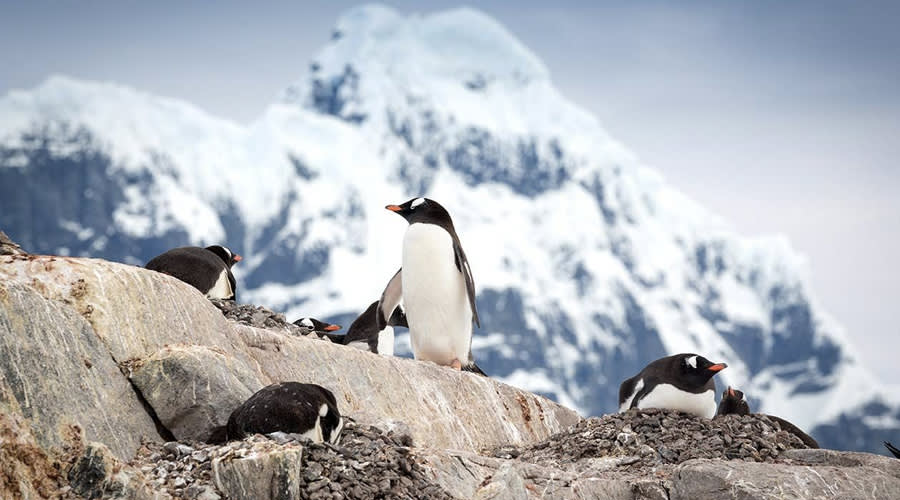
Here, near the Lemaire Channel, you can stand ashore and see the southernmost breeding colony of gentoo penguins. Adélie penguins, shags and south polar skuas also inhabit the island.
-
Stonington Island
Two abandoned research stations can be found on this island south of the Antarctic Circle. The first women to overwinter in Antarctica were housed at East Base. The British built Base E is about 656 feet (200 m) away from East Base, which was built by the United States Antarctic Service Expedition.
Your Life Onboard
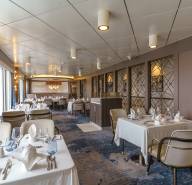
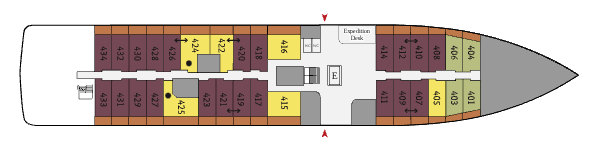
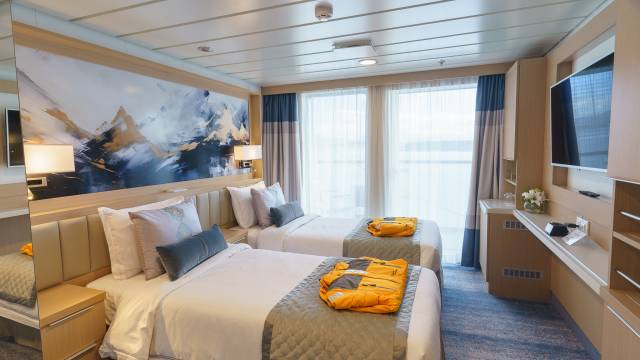
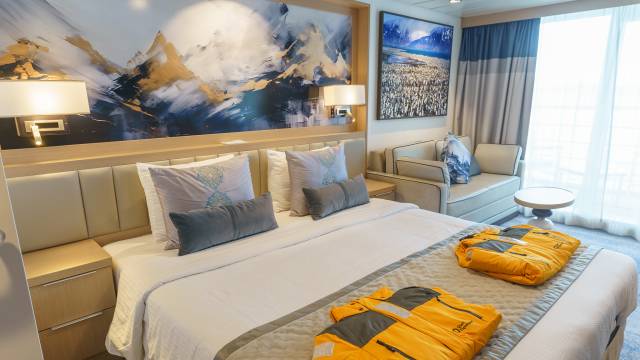
This is polar exploration at its finest. Our ships are intimate, luxurious floating hotels, packed with exciting experiences.


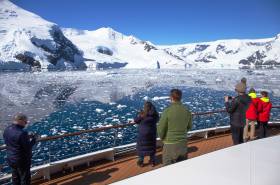
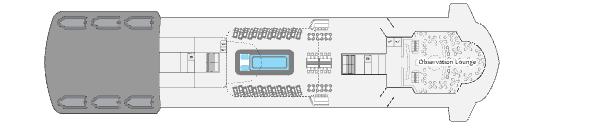
Enjoy panoramic views while you mingle in our comfy lounges, or head outside and chat with fellow adventurers on the wraparound deck. Our social spaces foster connections & shared experiences.

Engage with world-class experts in our auditorium. Presentations cover wildlife, history, marine biology, ecology, & geology, to enhance your polar knowledge & excitement for exploration.

Enjoy onboard amenities, attend lectures, or watch for wildlife from our observation decks. Sea days offer a perfect blend of education, relaxation, and anticipation.

Find tranquility in our well-stocked library, perfect for reading or quiet contemplation. The glass-domed Observation Lounge offers a peaceful retreat to reflect & enjoy awe-inspiring polar views.

Prepare for off-ship excursions in our spacious mudroom. Kayak, paddleboard, or take a plunge in polar waters. Stay active onboard with our gym, outdoor track, and pool facilities.


Know Before You Go
For your personal safety—and to ensure you get the most enjoyment out of your polar adventure—please assess your mobility and medical requirements before booking. It is essential that guests have a high level of mobility to get in and out of Zodiac boats, and for off-ship activities such as hiking on uneven terrain. Our destinations are remote. Apart from our basic ship infirmary, it could take up to 72 hours to reach adequate medical facilities. For more details to help you assess your mobility and medical requirements before booking your voyage, please review Health & Safety.
Some of our expeditions have included transfers and these will be detailed in your Invoice and Trip Brochure.
Please note that if you have an airport transfer included in your trip, it is only available if you arrive on Day 1 of the itinerary. Please ensure your flight information on your Passenger Forms is up to date so our ground crew know when to expect you. There will be someone with a sign in Arrivals waiting for you. Please look for them and they will direct you to our group shuttle.
If you do not have included transfers, or you are arriving before Day 1, you will need to make your own way to the hotel. Most airports we travel in and out of have good taxi ranks in the Arrivals area, or you can often prebook a transfer online.
Packing is an exciting part of the trip for many of us. You will find a handy packing list towards the end of your Trip Brochure. You will have received a copy of this when you first booked. We also have two excellent videos, which you can check out here: What to Pack
Our Protection Promise allows you to make a purchase decision that will leave you worry-free in the event your plans change down the road. Please review details for each term in our Quark Expeditions Protection Promise.
Whether you are thinking of an expedition, or you’ve booked the trip of a lifetime with Quark Expeditions, review all our FAQs for comprehensive tips to help you prepare for the Polar Regions and how to make the most out of your voyage with the most experienced expedition team in the industry. If your specific question isn’t covered below, please reach out to your Polar Travel Advisor or helpful Client Experience Team at guest@quarkexpeditions.com.