


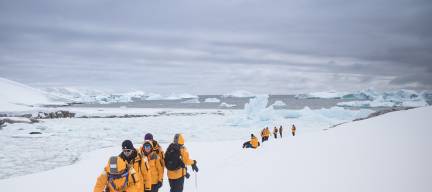
“Good day, everyone. It’s the moment you’ve all been waiting for. We invite you to join us on the outer deck with your camera as the Antarctic Peninsula comes into view just up ahead.”
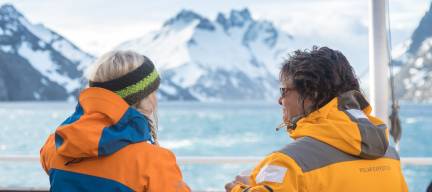
Upon hearing the Expedition Leader’s announcement, guests promptly head up the stairs to the outer decks, leaving card games unfinished and books forgotten in the lounge and library. You round the corner, push through the heavy metal door and step onto the deck and…there it is.

Jagged, snow-capped peaks cast their long shadow over the frozen beach below. It’s unimaginably white, the sky an almost impossible blue. It takes your breath away.
This first sighting is just the beginning. The days ahead promise countless opportunities to spot rarely-seen wildlife, with penguins, seals and whales thriving in a place largely untouched by human presence. Your heart races in anticipation of thrilling Zodiac excursions, hiking through polar landscapes, and the excitement of trying to take it all in with all your senses and through the lens of your camera.
Are you ready to start planning your own Antarctic expedition? In this guide, we’ll answer some of the most common questions travelers ask as they decide where to go, which type of expedition best suits their interests and which off-ship activities to experience. You’ll learn:
- Why visit Antarctica?
- How is Antarctica different from the Arctic?
- Where should I go in Antarctica?
- What can I see in Antarctica?
- What can I do in Antarctica?
- When should I go to Antarctica?
- What are the benefits of a small expedition ship?
- How can I get to Antarctica?
Read the guide from start to finish, or jump directly to the section that interests you most.
“It was a real treat to be ‘Standing among the Emperors.’ Hundreds and hundreds of them. Arguably the most amazing bird on the planet. Expedition Leader Shane was a pro. I loved chatting with all manner of staff experts. They taught me a ton!” — Gary K., Snow Hill, 2023
Why visit Antarctica?
Some people have a clearly defined vision of what a trip to Antarctica will mean for them. For others, it’s a lifelong dream or a long-awaited bucket-list journey. Others are drawn by the chance to explore one of the world’s last great wilderness regions.
Quark Expeditions’ Antarctic portfolio enables guests to choose from multiple regions: the Antarctic Peninsula, South Georgia, the Falkland Islands (Islas Malvinas) and Snow Hill Island, home to the legendary Emperor penguins. Depending on the itinerary, you may also have the opportunity to cross the Antarctic Circle. And, while not technically part of Antarctica, Patagonia is another popular destination in Quark Expeditions’ portfolio.
Many travelers are drawn to Antarctica by curiosity. After years of reading about, imagining or watching documentaries about Antarctica, they want to experience it for themselves. Immersed in a landscape shaped by ice, wildlife and the forces of nature, travelers often return home with a renewed sense of wonder and a richer understanding of a region few people ever have the opportunity to visit.
Whatever your motivation, the Antarctic offers an experience unlike any other. Few places inspire the same sense of awe. Here, immense glaciers, dramatic landscapes and abundant wildlife provide constant opportunities for discovery. The experience of traveling to such a remote region often leaves visitors with a broader perspective, a deeper appreciation for the natural world and memories that last a lifetime.
How is Antarctica different from the Arctic?

While the Arctic is an ocean surrounded by continents, Antarctica is a continent surrounded by ocean. Covered by the largest ice sheet on Earth, it is a place of immense glaciers, towering icebergs, snow-capped mountains and landscapes.
Antarctica is a haven for wildlife. Here, you’ll witness penguin colonies numbering in the tens of thousands, and learn to distinguish the different types of seals, seabirds and whales in their natural habitat. The absence of large land predators contributes to a uniquely accessible wilderness experience, creating opportunities for activities such as hiking, Zodiac cruising, heli flightseeing and, on select voyages, camping on the 7th Continent.
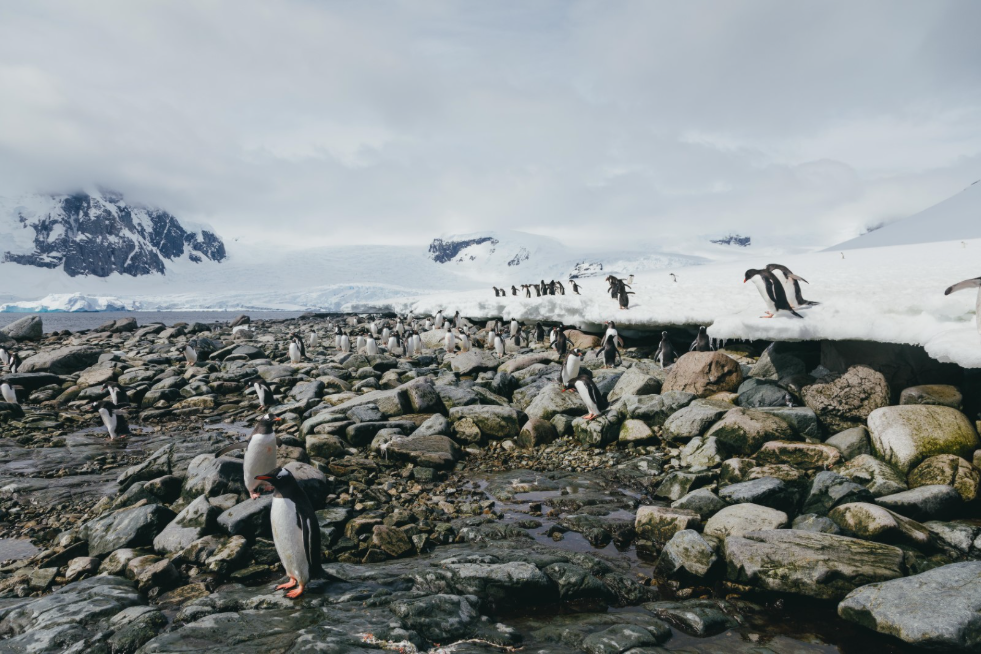
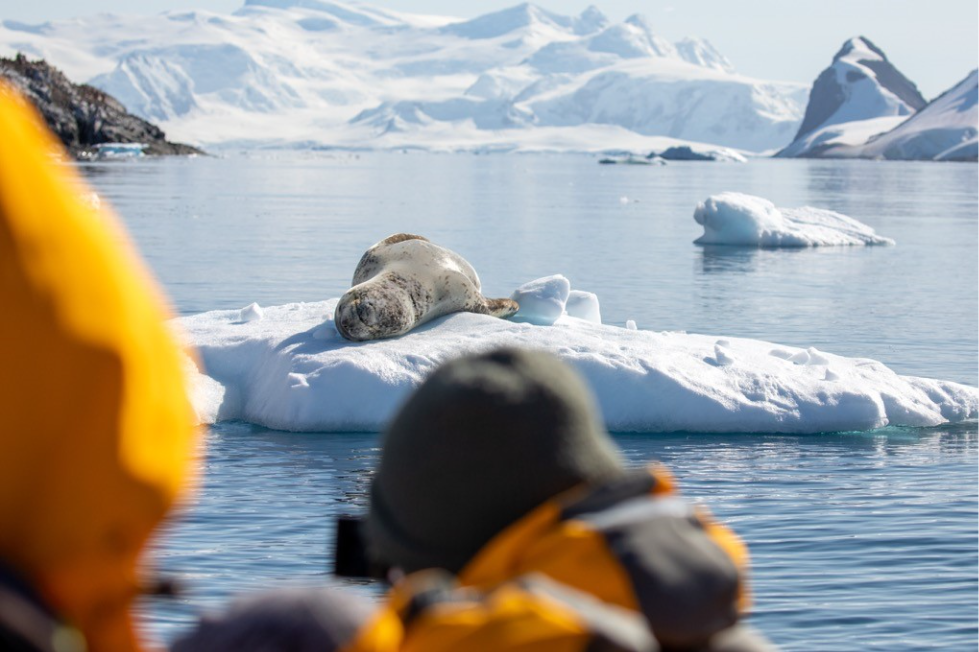
While Antarctica has no large terrestrial predators, life in the ocean can be far more challenging. Penguins, which feed on ocean-dwelling krill, squid and fish, must remain vigilant for predators such as Leopard Seals and Orcas, which are perfectly adapted to Antarctica’s icy waters. Depending on your itinerary and conditions, you may also encounter Weddell Seals, several species of penguins, Snow Petrels and many other wildlife species that call this remarkable region home.
Where should I go in Antarctica?
On an expedition, every day brings new possibilities. While each itinerary follows a planned route, your Expedition Leader and the ship’s Captain work together to adapt the journey based on weather, sea and ice conditions, always seeking the safest and most rewarding experience.
Decades of experience in the region have given our expedition teams an unmatched understanding of Antarctica’s many landing sites, sheltered bays and remote beaches. Their expertise enables the team to identify the best opportunities to explore.
From wildlife-rich bays to historic landing sites, here are some of our past guests’ favorite destinations in Antarctica:
Cuverville Island
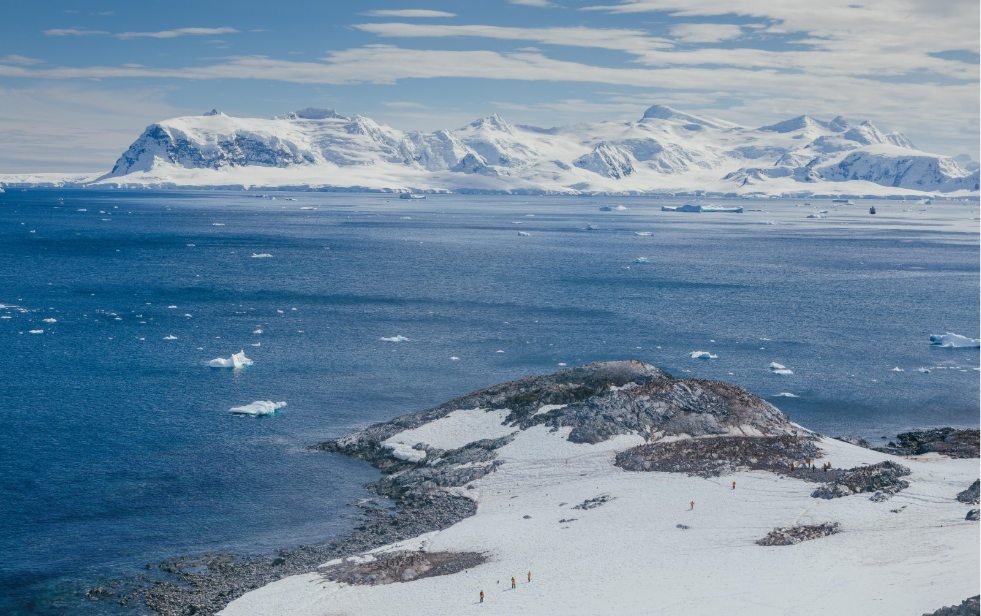
In the heart of the Errera Channel lies Cuverville Island, home to an active colony of Gentoo Penguins. Mid-season, you’ll see them nesting on rocky outcroppings or waddling back and forth to the sea to feed and clean themselves.
Lemaire Channel
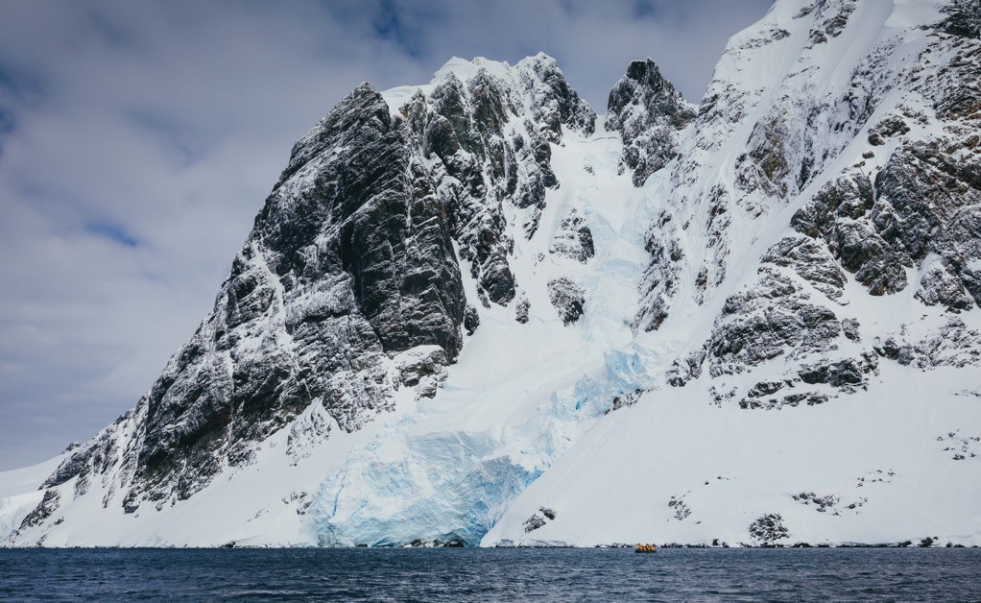
Cruising the spectacular Lemaire Channel, which separates Booth Island from the Antarctic Peninsula, is a rare privilege, as thick sea ice often blocks access. At its southern end lies Pléneau Island, part of the aptly named Iceberg Alley, where remarkable icebergs drift and gather in ever-changing formations.
Gourdin Island
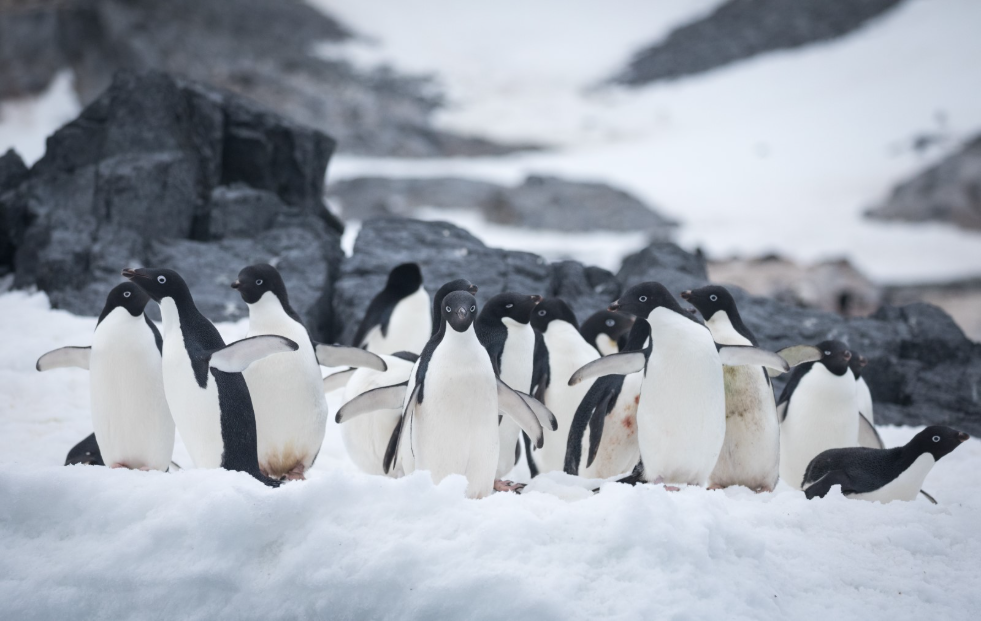
Thousands of Adélie, Chinstrap and Gentoo penguins nest at Gourdin Island, making it a very special place to land and explore. The island’s broad cobble beaches and low slopes offer excellent opportunities to observe these bustling colonies up close.
Deception Island
Home to abundant historic artifacts, Deception Island is as haunting as it is beautiful. Located within the flooded caldera of an active volcano, the island is dotted with the remnants of former whaling stations and research outposts.
Port Lockroy

If your expedition stops at Port Lockroy, you’ll have a chance to send postcards home from the Penguin Post Office (officially the British Antarctic Territory Post Office, operated by the UK Antarctic Heritage Trust). Tour the museum, explore the gift shop and photograph the Gentoo Penguin colony.
South Shetland and South Orkney Islands
On your way to or from Antarctica, you might stop in the South Shetland Islands or the South Orkney Islands (more than 10,000 kilometres from their namesake islands in Scotland). Glacier-encrusted and mountainous, the South Shetland Islands form a picturesque gateway between the Drake Passage and the Antarctic Peninsula. Many islands, including Barrientos Island, are home to penguin colonies that you can view from a Zodiac or during a shore landing.
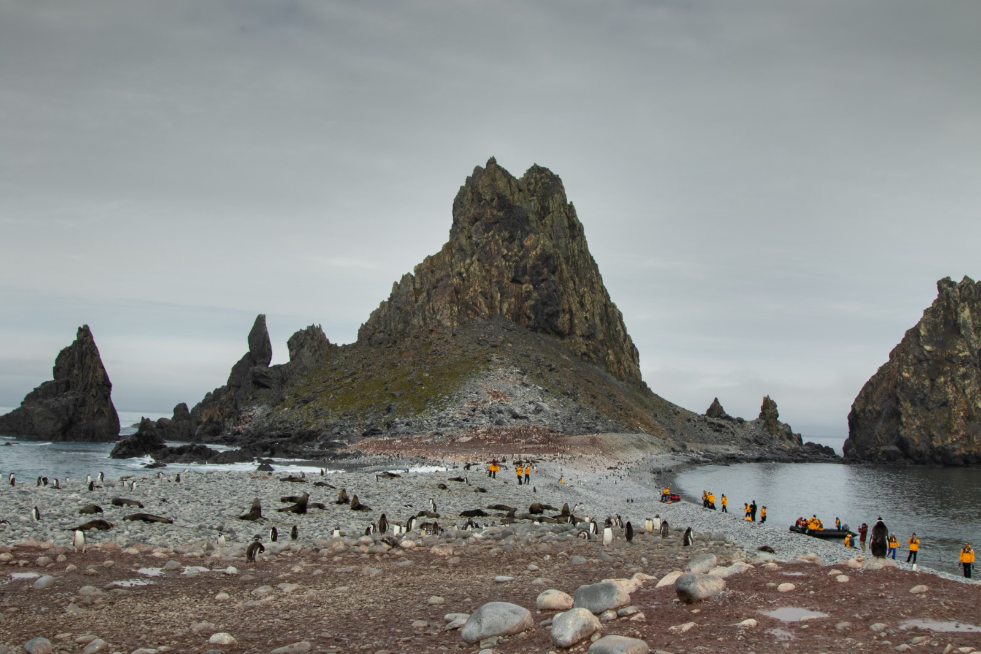
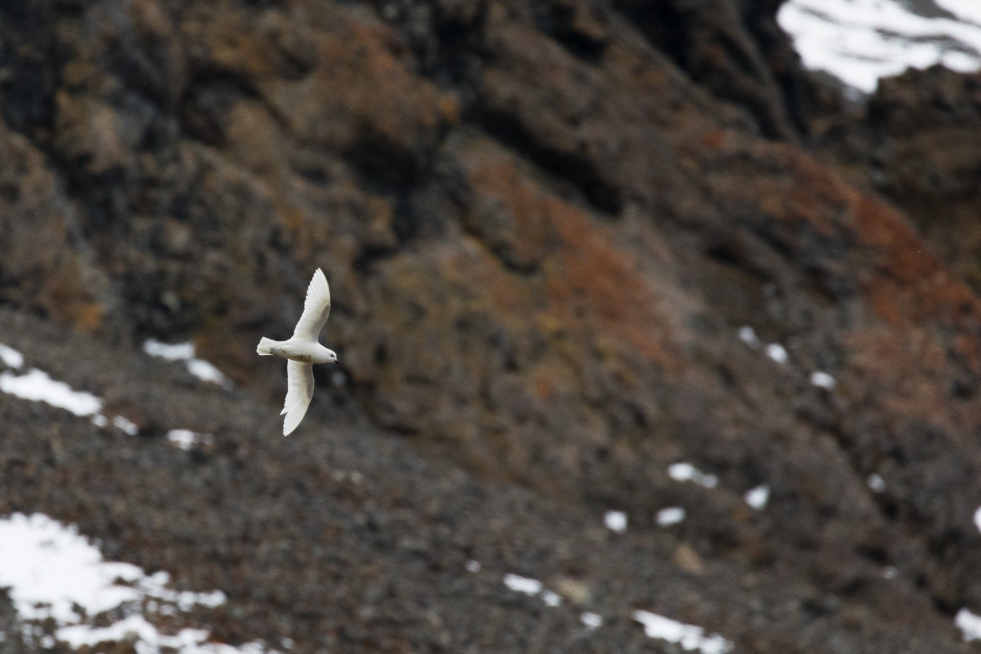
The South Orkney Islands lie approximately 600 km northeast of the Antarctic Peninsula. Snow falls on this remote group of four main islands an average of 280 days a year, creating a harsh and often inhospitable environment. Free of permanent human habitation, the islands are home to penguins and a variety of seabirds, including the striking Snow Petrel.
Falkland Islands (Islas Malvinas)
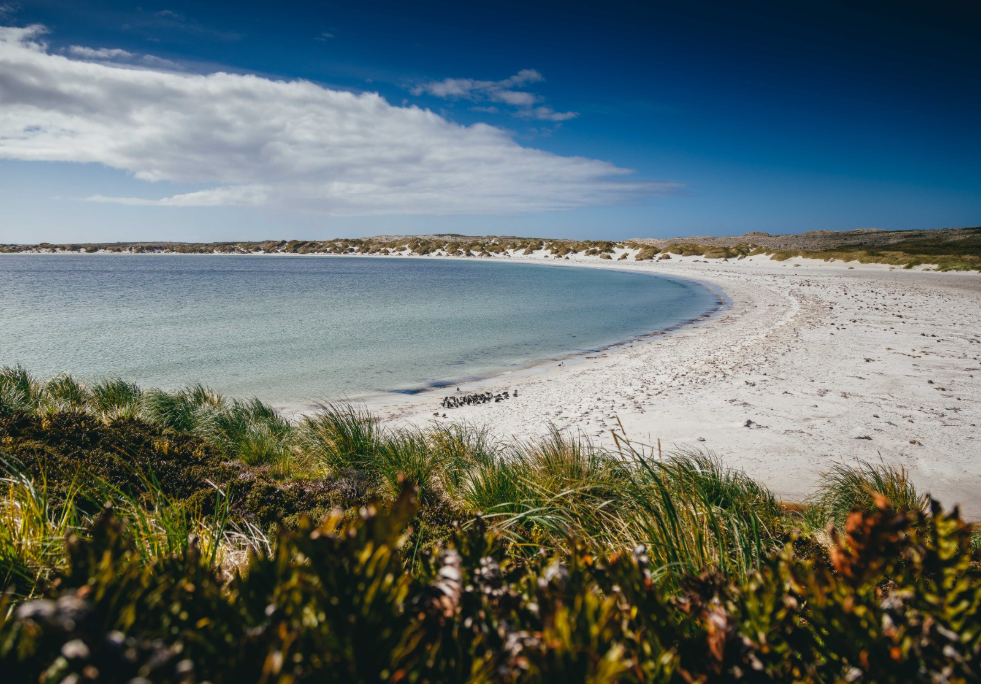
Ecologically diverse and historically significant, the Falkland Islands (Islas Malvinas) comprise an archipelago of 778 islands located 483 km (300 miles) off the coast of Argentina. Renowned for their abundant wildlife, the islands offer exceptional birdwatching opportunities, with 63 breeding species and 23 annual migrants.
Visit the historic town of Stanley, explore the internationally recognized Important Bird Area of West Point Island, or wander the spectacular white-sand beaches of Saunders Island.
South Georgia
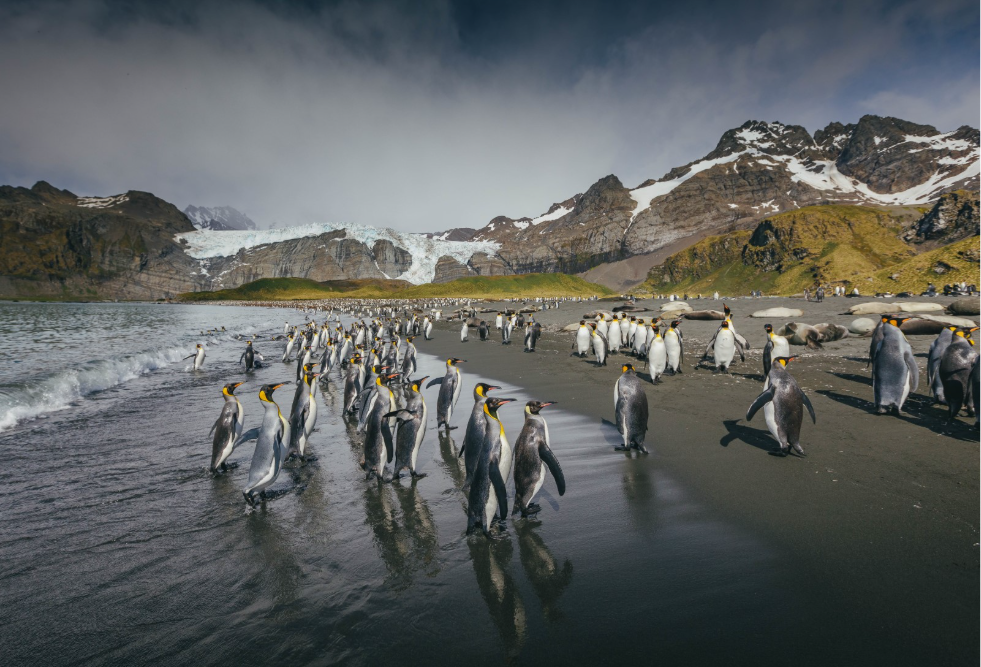
Steeped in exploration history and renowned for its wildlife, South Georgia was once an important sealing and whaling hub and is the final resting place of Sir Ernest Shackleton. Visitors can pay tribute to the famous explorer during a ceremony at his gravesite near Grytviken.
Often called the Galápagos of the Antarctic, South Georgia is renowned for its extraordinary wildlife. Vast colonies of King Penguins, Southern Elephant Seals and countless seabirds thrive both on land and in the surrounding waters. Designated an Important Bird Area, the island is internationally recognized as a vital habitat for bird conservation. Through responsible tourism, visitors also help support initiatives such as the South Georgia Heritage Trust’s Habitat Restoration Project, one of the sustainability initiatives we support.
What can I see in Antarctica?
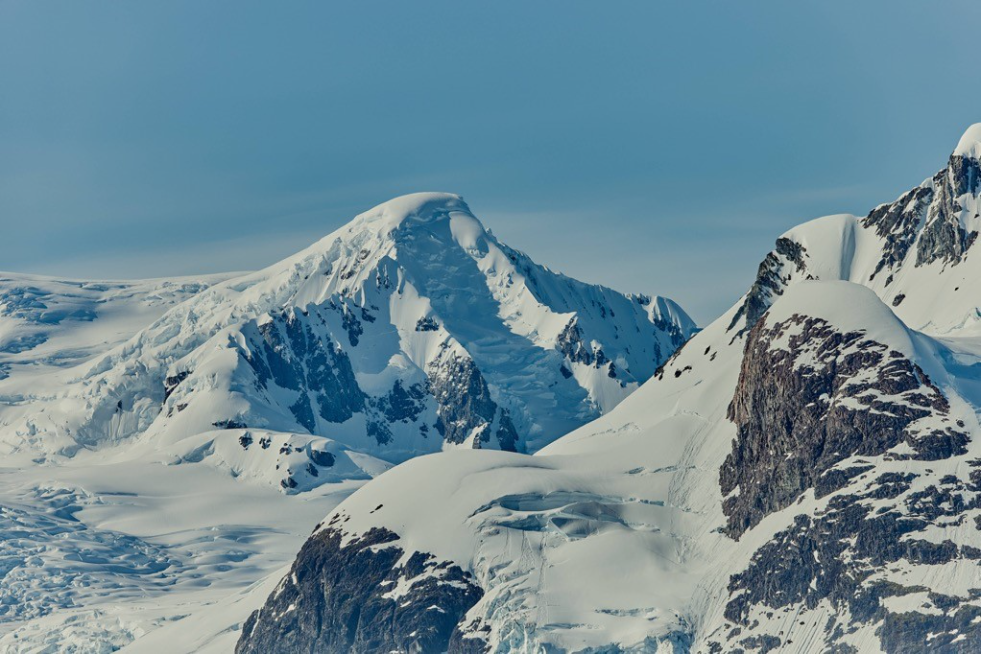
One of the greatest joys of visiting Antarctica is never knowing what awaits around the next fjord or glacier. Quark Expeditions’ guests describe the experience in many different ways, but nearly all agree that it is deeply personal and profoundly rewarding.
If you want to see wildlife:
The Falkland Islands (Islas Malvinas) and South Georgia are among the Southern Ocean’s premier wildlife destinations. Longer itineraries, such as Penguins of the Far South: Falklands, South Georgia and Antarctica and Epic Antarctica: The Falklands, South Georgia and Crossing the Circle, provide ample opportunities to explore these remote islands and encounter the species for which they’re famous. Depending on the itinerary and season, you may observe Southern Elephant Seals, Leopard Seals, vast penguin colonies, albatrosses and other seabirds, as well as endemic species such as the South Georgia Pipit.
The Antarctic Peninsula also offers exceptional wildlife sightings, whether you’re on Zodiac cruises, guided shore hikes or observing bustling penguin colonies, opportunities to observe wildlife are woven throughout the expedition.
Wildlife sightings continue when you’re back onboard. Spacious outer decks and other viewing areas provide excellent vantage points as seabirds accompany the ship, whales surface nearby, and penguins and seals hauled out on icebergs create memorable photographic opportunities.
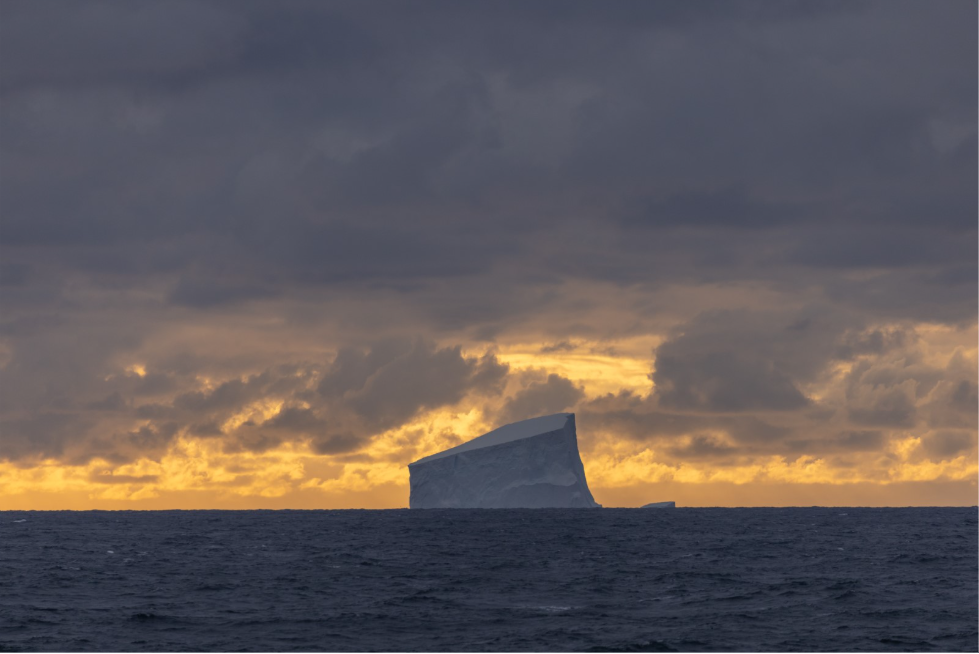
If you want to see icebergs:
Expedition travel in the ice-choked waters around the Antarctic Peninsula is a constant balancing act. The Captain and Expedition Leader carefully navigate ever-changing ice conditions, seeking opportunities for close-up views of extraordinary icebergs while charting a safe course to your next destination.
When conditions permit, expedition team members will safely guide Zodiac cruises among towering bergs in places such as Pléneau Island, Wilhelmina Bay and the waters off Paulet Island.
If you want to see spectacular landscapes:
From the windswept shores of the Falkland Islands to the wildlife-rich coastlines of South Georgia and the ice-sculpted scenery of the Antarctic Peninsula, each destination offers unique opportunities for photography and videography. Activities such as guided hikes and kayaking provide fresh perspectives on the polar world.
To capture your best images and videos on an expedition:
- Choose the right camera equipment and learn how to protect your gear in extreme cold
- Practise photo composition and camera settings before you travel. Expedition Team member and photography guide Acacia Johnson shares a helpful lesson in taking better polar travel photos
- Master the fundamentals of travel videography so you can shoot an awesome video
If you want to see and explore historic sites:
If exploring the history of Antarctic exploration is high on your list, you’ll find opportunities throughout the journey. While landings are always dependent on weather and ice conditions, sites such as Port Lockroy offer a fascinating glimpse into Antarctica’s early era of exploration and scientific research.
In South Georgia, you may have the opportunity to visit Grytviken and join other guests in a toast to Sir Ernest Shackleton at his gravesite, one of the most heartfelt traditions in polar travel. History enthusiasts are also drawn to Deception Island, a volcanic caldera where abandoned whaling facilities and remnants of scientific stations offer glimpses into the island’s past.
Whichever itinerary you ultimately choose, rest assured you’ll see Antarctica’s exploration heritage brought to life through off-ship adventures and by engaging with the expert team.
What can I do in Antarctica?
Antarctic expeditions are fast-paced, with plenty of opportunities to learn and socialize onboard in addition to your time in the field. While on the ship, you’re invited to attend expert presentations on topics such as polar history, geology and marine biology, all delivered by Expedition Team members, scientists-in-residence and special guests like penguin expert Dr. Tom Hart from Penguin Watch.
You can borrow a book or settle into the Polar Library to learn more about Antarctic wildlife and the golden age of exploration. Time on deck is equally rewarding, whether you’re watching penguins and seals hauled out on icebergs or spotting whales spouting and breaching nearby.
Of course, nothing compares to stepping ashore and experiencing Antarctica firsthand. Whenever conditions allow, you’ll explore the region through landings and Zodiac excursions. For those seeking even more adventure, Quark Expeditions offers the industry’s most extensive range of Adventure Options, allowing you to personalize your voyage around your interests. All equipment is provided, and while some activities are included in the cost of your voyage, others cost extra and should be reserved at the time of booking.
Included Adventure Options (Included in the cost of your trip)
Hiking
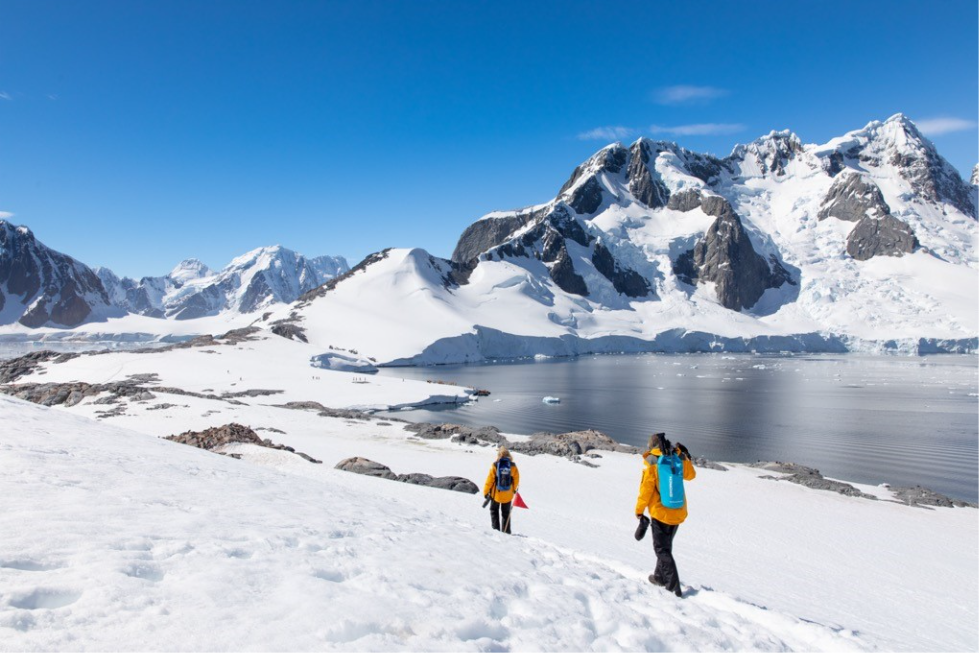
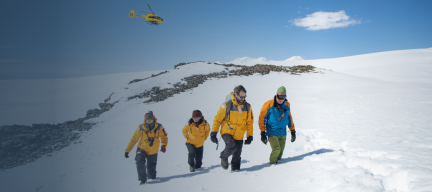
Guided walks and hikes of varying levels of difficulty are a part of every Antarctic expedition. As weather and sea conditions permit, you’ll be transported by Zodiac cruiser to shore, where you’ll have a chance to explore each site’s unique geology and geography, polar plant life (if any), animals and birds, and history.
Photography
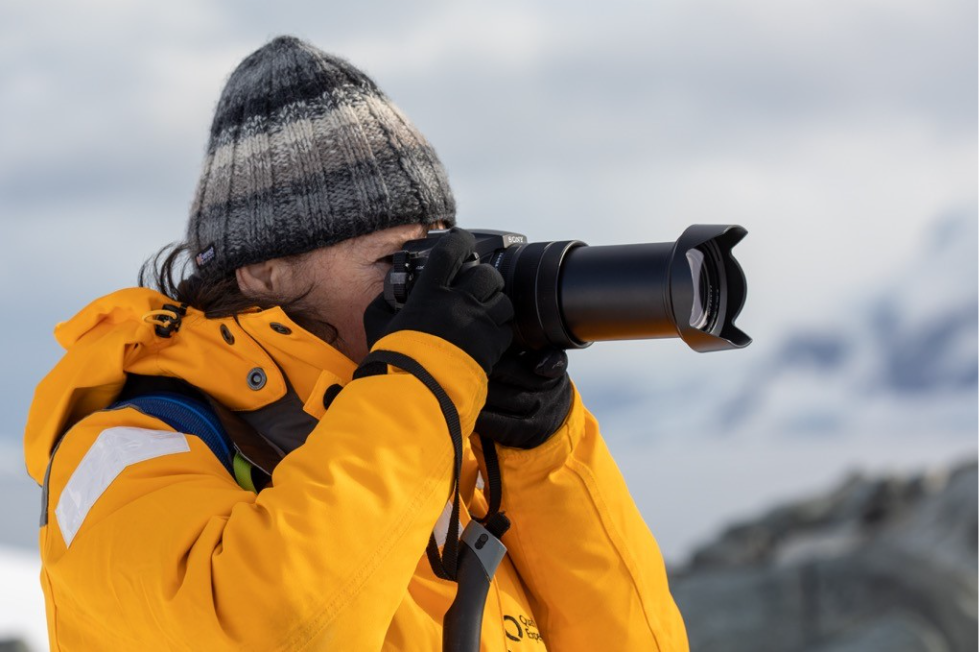
Documenting your voyage so you can take the memories home is a rewarding experience. Our photography guides will help you hone your skills to capture the beauty of the polar regions. Quark Expeditions also offers a new Guided Photography Program for those who want to hone their photography skills (see below).
Polar Plunge
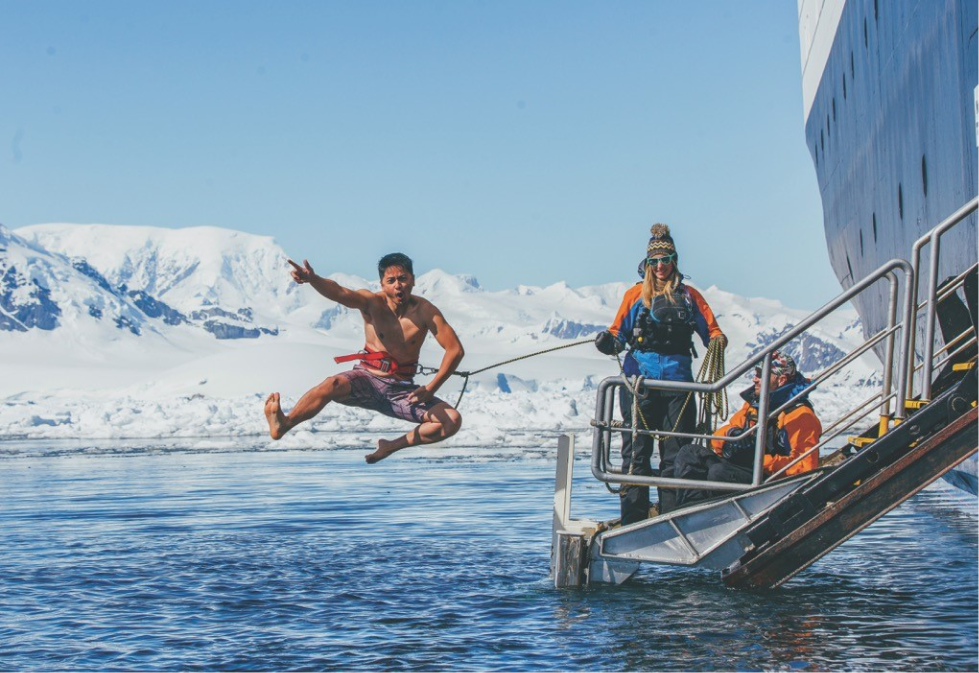
This rite of passage, scheduled only once per expedition, gives you the chance to jump safely into the bracing Antarctic waters under the watchful eye of our staff, and just about every single camera on board.
Presentations
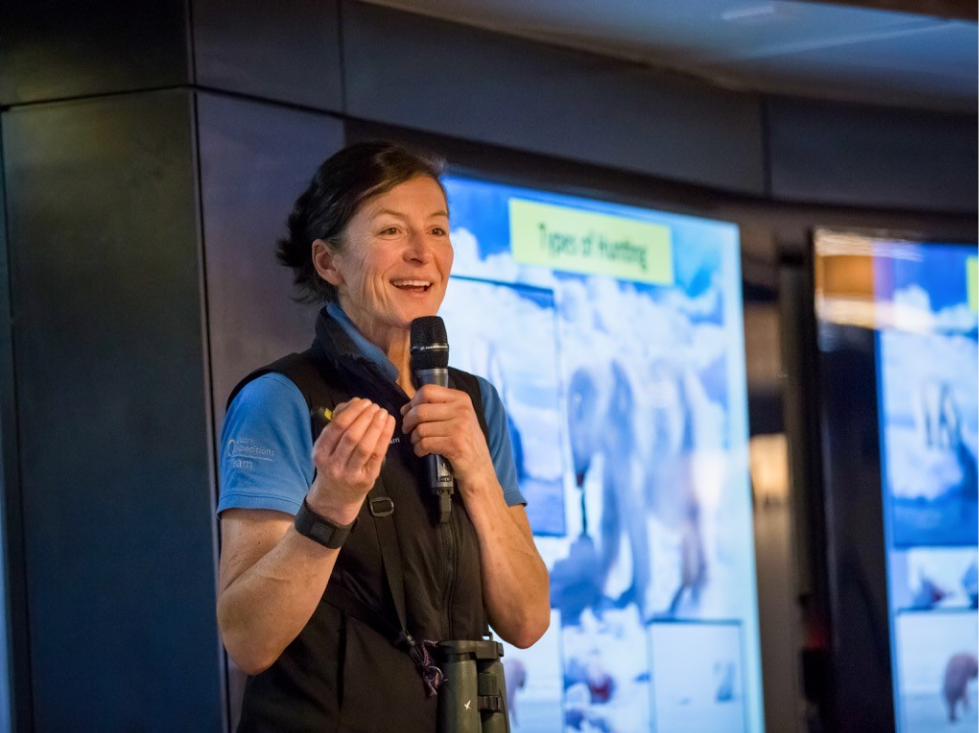
Enjoy daily chats with and presentations by our world-class onboard polar experts: expedition guides, specialists, photography guides and other special guests who will introduce you to the fascinating history, biology, ornithology, glaciology and geology of the region, and much, much more.
Science & Discovery
Our Science & Discovery program offers guests the unique opportunity to engage directly with scientists and researchers and participate in citizen science activities with the expedition team to collect and record data. (On World Voyager and Ultramarine).
Zodiac Cruising
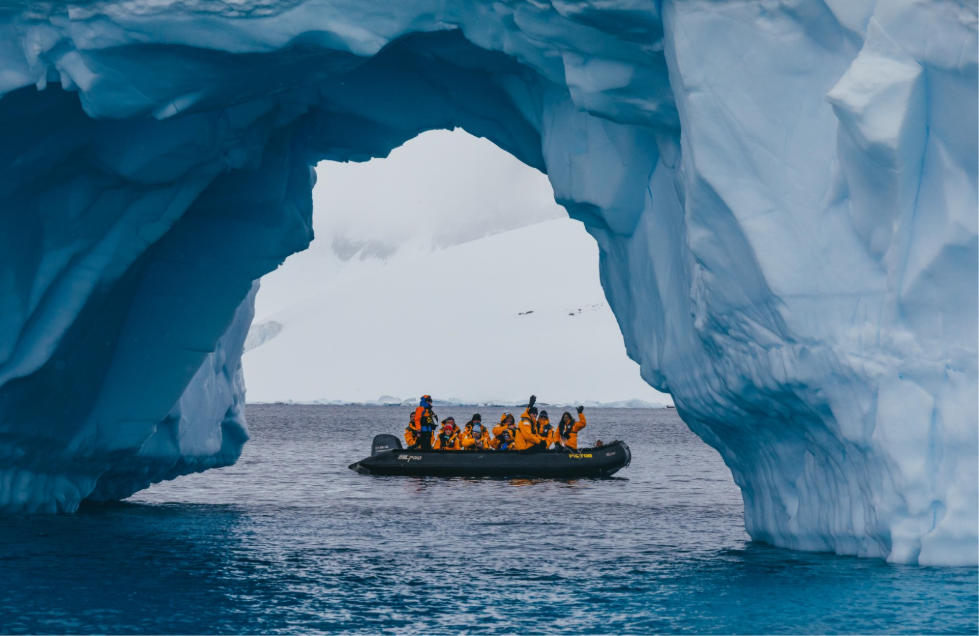
Zodiacs are the workhorses of polar expeditions, taking you to places the ships can’t access, allowing you to reach remote shorelines, explore shallow inlets and search for unique wildlife. Expedition staff make stepping in and out of them safe and comfortable, and your Zodiac drivers will provide active interpretation, bringing the landscape even more vividly to life.
Paid Adventure Options (always book in advance)
Camping on the 7th Continent
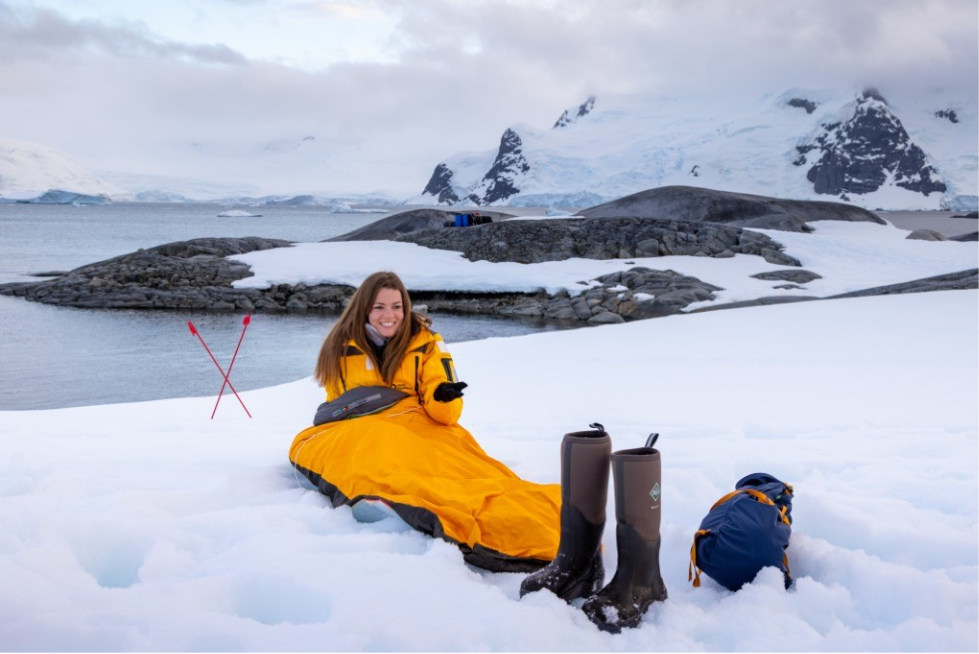
Can you imagine anything more magical than waking up on the seventh continent? It’s a dream come true for those who register in advance for the Camping in Antarctica option, offered on select voyages. Spend a night tucked into a cozy sleeping bag and bivy sack in the open air (but register early as this program typically sells out).
Flightseeing
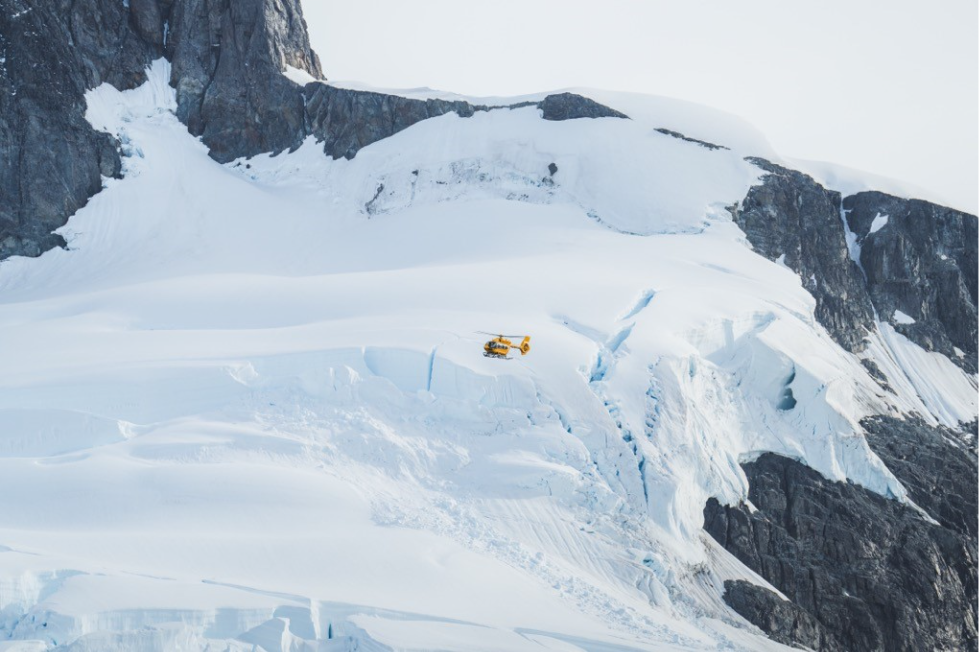
While polar landscapes are spectacular from the sea, they are even more striking from the seat in one of our twin-engine helicopters onboard Ultramarine. Experience remarkable aerial perspectives on a 10- to 15-minute flightseeing excursion.
Guided Photography Program
The Guided Photography Program is designed for photographers of all levels. Each day of the voyage, guests who enroll will receive priority boarding on the first wave of Zodiacs. This small group (16 max capacity, 8 per Zodiac) will be led by the same guide each day and will receive professional photography advice, tips, and feedback during outings and in post-excursion workshops. This program is a great opportunity to not only explore but also improve your photography skills.
Paddling Excursion
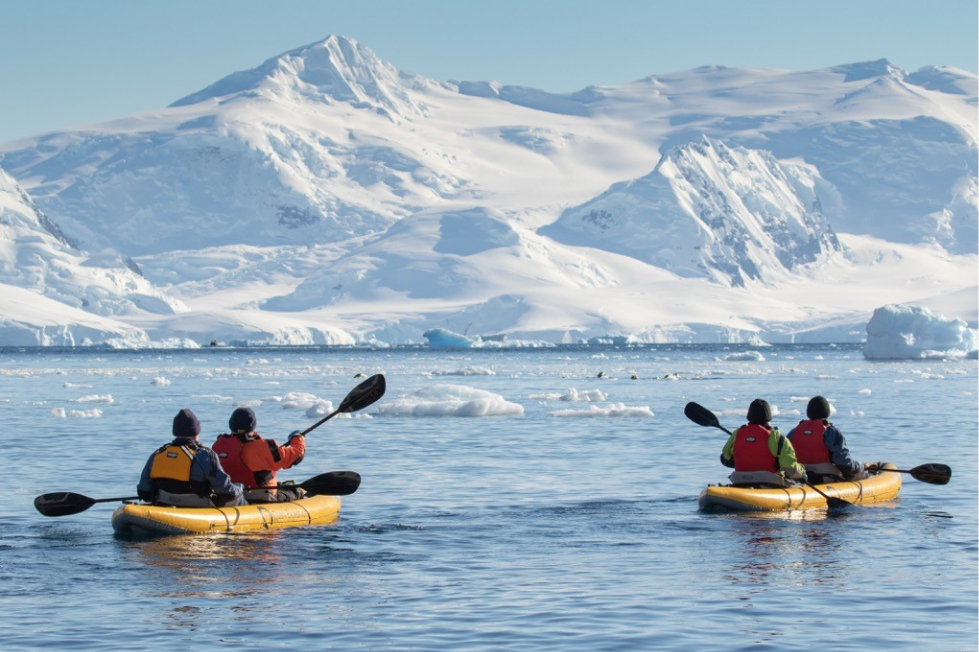
If you’d like to experience kayaking without the commitment of Sea Kayaking, the Paddling Excursion Program is an ideal introduction. Stable sit-on-top kayaks make it easy for beginners to explore sheltered polar waters, while expert guides provide instruction and support throughout the outing.
Groups are kept small to ensure a comfortable experience. Two groups of 10 guests are pre-booked before departure, and additional outings may be available through an onboard lottery once initial participants have completed their first paddle.
Sea Kayaking
As a participant in the Sea Kayaking program, you’ll have opportunities throughout your expedition (weather permitting) to experience Antarctica as the seals and penguins do, from the surface of its pristine waters. Your kayak, skirting, paddle, professional kayaking guide and accompanying Zodiac are all part of the program. If you’re an experienced kayaker looking for a unique vantage point from which to explore Antarctica, this is the kayaking program for you.
Stand-up Paddleboarding
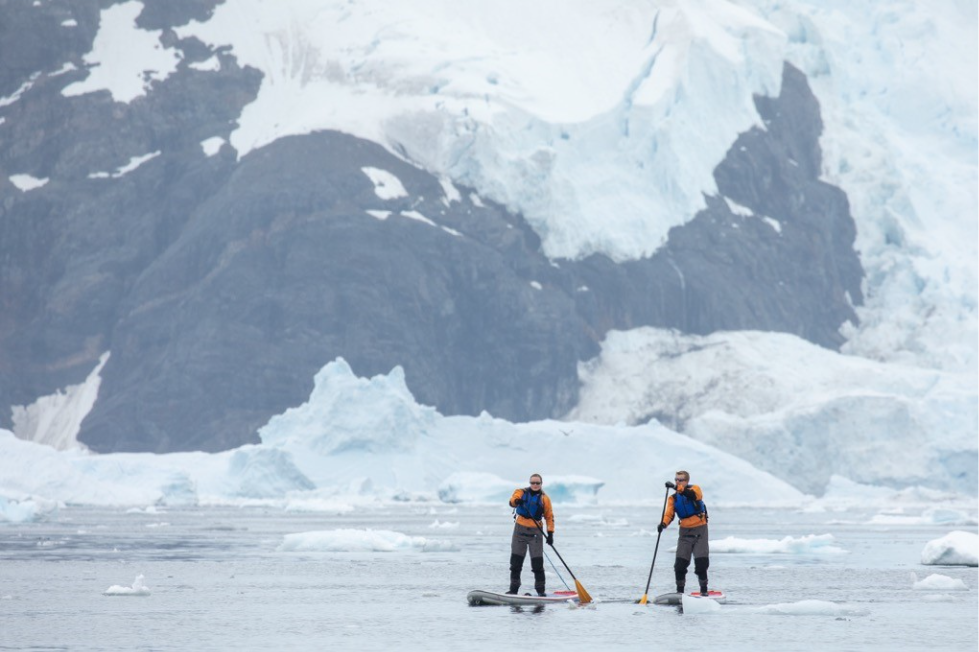
Be one with the spectacular Antarctic landscape. Stand-up paddleboarding just might be the ultimate in both excitement and zen on the seventh continent. Everything you need to take part is included, although you may want to take a few practice runs in warmer waters before signing up. Available on select voyages.
When should I go to Antarctica?
What’s the best time to visit Antarctica? That’s the most-asked question we hear.
Wildlife sightings, ice formations, snow, weather conditions and off-ship experiences vary depending on when you visit.
Choose an early expedition (November to mid-December) for:
- Experiencing the reawakening of Antarctica after its winter season; the landscape is pristine and pure, and pack ice is beginning to melt.
- Adventures like Antarctic camping, stand-up paddleboarding, and kayaking.
- Mating penguins and seabirds, with all of the courtship ritual and activity that entails
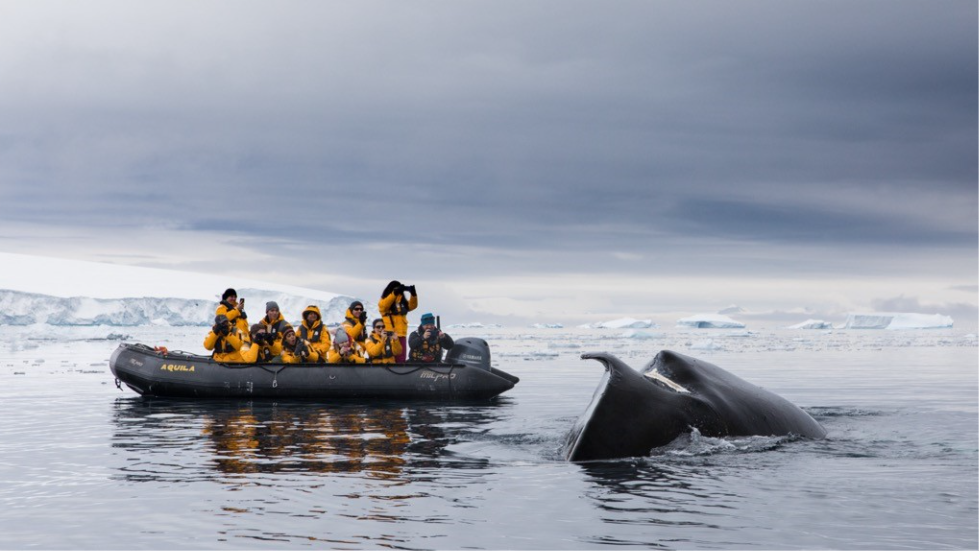
- Humpback, Minke, Orca and other whales, who return to feed on krill in the waters just off the Antarctic Peninsula.
- Weddell Seals come ashore to molt and give birth.
- Incredible iceberg photography; they’re at their greatest mass, and snow-white to deep aquamarine in color, thanks to air trapped inside.
Choose an expedition during mid-December or January for:
- Slightly warmer temperatures and up to 20 hours of sunlight per day.
- The most active period for wildlife, including different species of penguins as they begin hatching and tending their young.
- Spectacular iceberg displays, as the sun and salt water wear at each one, carving them into natural artwork.
- Fantastic whale watching in places like Wilhelmina Bay (which is why we call it Whale-amina Bay).

Choose an expedition during February and March for:
- Epic sunsets, as the days begin to shorten again and the sun truly sets each evening.
- Better access to landing sites further south from mid-February to the end of the season, as the pack ice continues to recede.
- The greatest chance at hearing or witnessing the spectacle of a glacier calving an iceberg, as the relatively warmer weather works its magic even in typically freezing temperatures.
- Humpback, Orca and Minke whale watching.
- Entertainment in the penguin colonies, as the young begin to grow their adult feathers and learn to swim, hunt, and steal pebbles from other nests.
What are the benefits of a small expedition ship?
When it comes to polar expedition travel, small ships offer significant advantages. Ice-strengthened expedition vessels carrying fewer than 200 guests can access areas that larger cruise ships simply cannot. Each is equipped with Zodiacs for shore landings, wildlife viewing and exploring remote coastlines.
Comfort is also part of the experience. After a day spent exploring some of the planet’s most remote landscapes and waterways, you’ll return to chef-prepared meals, a professionally tended bar and a comfortable cabin complete with an ensuite bathroom and thoughtful amenities.
Perhaps the greatest advantage of a small expedition ship is the authentic experience it offers. Smaller vessels can reach more remote beaches, narrow channels and secluded bays, bringing you closer to the polar environment. Standing on an open deck surrounded by pristine Antarctic wilderness, it’s easy to imagine what life was like for the explorers of the Heroic Age.
And, of course, one of our small vessels, the technologically advanced Ultramarine, is equipped with two twin-engine helicopters that can take guests to parts of Antarctica no other ships can reach.
How can I get to Antarctica?
For most travelers, getting to Antarctica begins with an international flight to South America. Guests typically make their own travel arrangements to Buenos Aires, Argentina, where they meet fellow Quark Expeditions travelers and members of the expedition team. From Buenos Aires, guests travel onward to Ushuaia, Argentina, the world’s southernmost city, where they board their expedition ship and begin their journey to Antarctica by crossing the legendary Drake Passage, the 800-km (500-mile) wide stretch of water that separates South America from Antarctica.
Experience the South Shetlands and Antarctica in 11 or 12 days on the popular classic Antarctic Explorer: Discovering the 7th Continent expedition, with your choice of adventure options, depending on the departure you choose. Book Antarctica by Helicopter: Icebergs, Mountains and Remote Lands, for the most helicopter-focused voyage in our Antarctic portfolio. Our 23-day Epic Antarctica: The Falklands, South Georgia & Crossing the Circle delivers every major Antarctic highlight in one unforgettable voyage.
There are plenty of ways to customize your experience, as Quark Expeditions offers the most in-depth coverage of the Antarctic region. In the over 35 years that we’ve taken guests to the polar regions, we’ve learned that what creates the ultimate polar experience isn’t the same for everyone. That’s why we offer our guests more choice than any other provider, ensuring our expeditions are always personalized to what matters most for our guests.
Fly/Cruise Antarctica: Fly over the Drake Passage
You can also soar over (instead of sail across) the infamous Drake Passage, the 800-km (500-mile) wide stretch of water separating South America from Antarctica, with a comfortable charter flight from Punta Arenas, Chile, to King George Island. In approximately two hours, you’ll travel from the southern tip of South America to the White Continent, bypassing a sea crossing that typically takes two days in each direction.
Flying the Drake is an excellent option for travelers who want to maximize their time in Antarctica. Instead of spending up to four days crossing the Drake Passage, you’ll have more opportunities to explore among towering icebergs, encounter remarkable wildlife and take part in immersive off-ship experiences. As your flight approaches Antarctica, you’ll enjoy breathtaking aerial views of ice-covered islands, glaciers and snow-capped peaks before landing and beginning your expedition. For many guests, the greatest advantage is simple: less time getting there means more time experiencing Antarctica’s extraordinary landscapes and wildlife.
To give you an idea: our Antarctic Express: Fly the Drake means you can explore King George Island and the Antarctic Peninsula in just 8 days. If you opt for Antarctic Express: Crossing the Circle, you can journey far enough south and cross the Antarctic Circle in just 11 days.
Start planning your Antarctic expedition today
Explore itineraries, compare expedition styles and discover the voyage that’s right for you.