


Every summer, a brief biological window opens high above the Arctic Circle. Sea ice pulls back just enough, daylight stretches nearly around the clock, and remote coastlines come alive with sound and motion. For travelers following developments in Arctic travel, this short season represents one of the most extraordinary opportunities on the planet: witnessing Alkefjellet, a towering cliff system in Svalbard that hosts one of the largest seabird colonies in the High Arctic. Experiences like this are why Quark Expeditions has become closely associated with modern expedition-style exploration—quiet access, expert interpretation, and places few ever reach.
Why this moment matters for travelers
Arctic scientists have observed that seasonal ice conditions now allow limited, carefully managed access to areas that were once unreachable except by research vessels. Alkefjellet sits along a narrow fjord system where geology, ocean currents, and wildlife intersect. Timing is critical: seabirds arrive to nest, predators patrol the cliffs, and nutrient-rich waters support a sudden explosion of life. Outside this window, the area is largely silent and inaccessible.
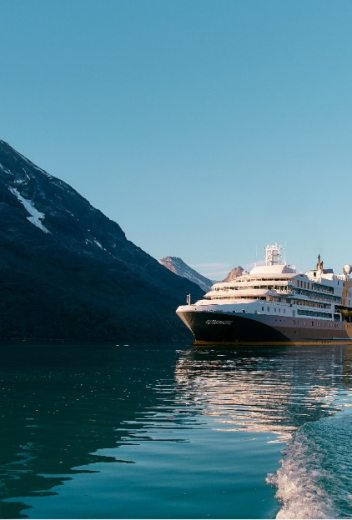
This is where expedition cruising becomes essential. A small, maneuverable ship can adapt to weather, ice, and wildlife activity—something fixed itineraries or land-based travel simply can’t offer. For travelers interested in meaningful Arctic travel, flexibility is the difference between seeing a place and truly experiencing it.
What makes Alkefjellet so rare?
A cathedral of stone and wings
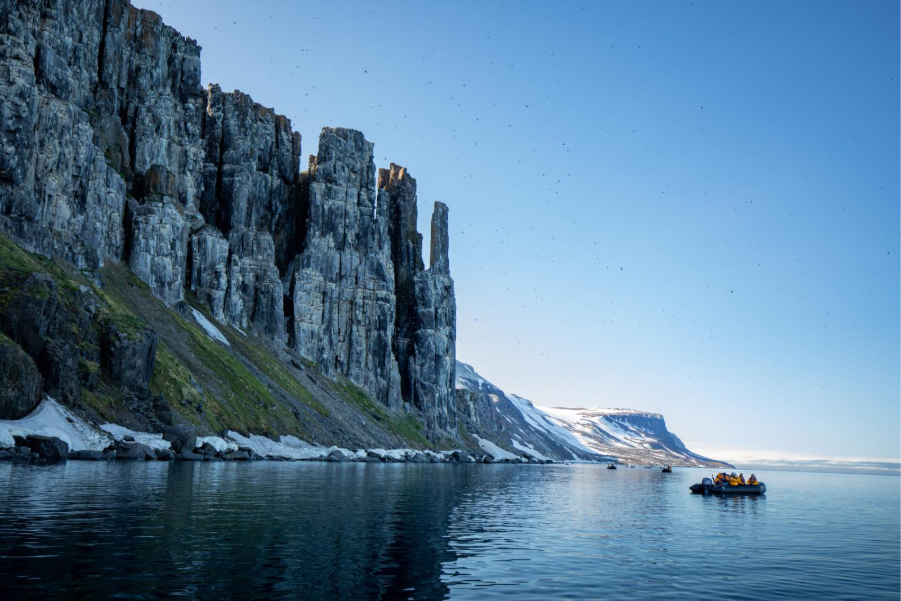
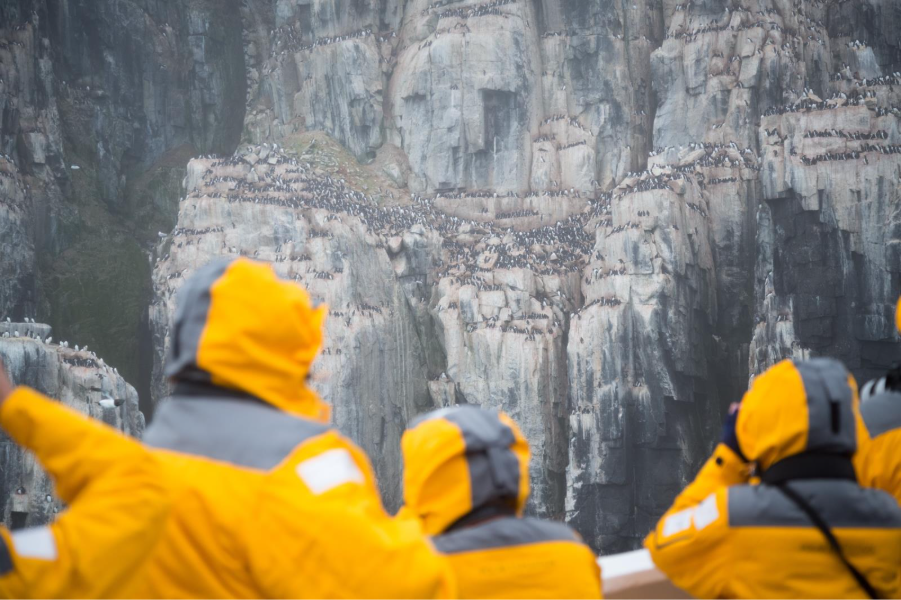
Alkefjellet rises abruptly from the water, its basalt pillars shaped by ancient volcanic forces. These vertical walls are home to tens of thousands of Brünnich’s guillemots, an iconic Arctic seabird species that nests shoulder to shoulder along narrow ledges. The sheer density of life is overwhelming—sound echoes off the rock, and the air fills with constant motion as birds commute between nest and sea.
A predator-prey spectacle
Where seabirds gather, Arctic foxes and glaucous gulls follow. From the safety of a Zodiac, travelers often witness raw, unscripted interactions that reveal how fragile and interconnected this ecosystem truly is. It’s a reminder that polar travel isn’t about passive sightseeing—it’s about understanding nature on its own terms.
The best way to experience the cliffs
Alkefjellet is not accessible on foot. There are no trails, no viewpoints, and no infrastructure. The only way to experience it is from the water, slowly navigating the base of the cliffs in inflatable Zodiacs. This approach offers:
- Eye-level views of nesting ledges
- Quiet engines that minimize disturbance
- The ability to pause where wildlife activity is highest
Expert guides interpret what’s unfolding—explaining bird behavior, cliff geology, and why certain sections teem with life while others remain bare. This is the defining advantage of a true polar expedition.
Travelers exploring Svalbard-focused itineraries often encounter Alkefjellet on voyages like Svalbard Explorer: Best of High Arctic Norway:
👉 https://www.quarkexpeditions.com/expeditions/svalbard-explorer-best-of-high-arctic-norway
Seasonal context, route planning, and expedition timing can be explored here:
👉 https://www.quarkexpeditions.com/arctic/new-season
What else travelers can expect
While Alkefjellet is often the highlight, it’s part of a broader Arctic experience that unfolds day by day.
Along the journey, travelers may encounter:
- Tidewater glaciers calving into icy fjords
- Walruses hauled out along remote shorelines
- Polar deserts punctuated by mosses and wildflowers
- Extended daylight that reshapes the sense of time
Seeing an Arctic seabird colony of this scale often reframes how travelers understand the region—not as empty or barren, but intensely alive for those brief weeks.

A wider Arctic perspective
Experiences like Alkefjellet fit into a larger narrative of polar travel—one that values patience, respect, and scientific insight. As ships move north and west across Svalbard waters, travelers begin to see how seabird cliffs connect to plankton blooms, sea ice edges, and the broader food web.
For those interested in expanding their Arctic scope beyond Svalbard, voyages such as Northeast Greenland: Glaciers and Fjords offer a different but equally powerful perspective on high-latitude ecosystems:
👉 https://www.quarkexpeditions.com/expeditions/northeast-greenland-glaciers-and-fjords
A comprehensive overview of Arctic regions and expedition styles is available here:
👉 https://www.quarkexpeditions.com/arctic
It’s on the second half of a journey—after the initial excitement fades—that travelers often reconnect with why Arctic travel feels so profound. Silence returns. Light shifts. And places like Alkefjellet linger in memory as something witnessed, not consumed.

Why so few will ever see it
Access to Alkefjellet is intentionally limited. Strict environmental guidelines, short seasons, and unpredictable ice mean that even planned visits are never guaranteed. That uncertainty is part of what makes the experience meaningful. Travelers aren’t checking off a landmark—they’re responding to nature’s invitation.
Those who do witness Alkefjellet often describe it as a turning point in their understanding of the Arctic. We at Quark Expeditions make sure that your journey is less about distance traveled but more about the depth experienced.