



Greenland Blog

7 mins read
Greenlandic Food Culture: The Ingredients Behind Every Quark Expedition Meal
Key Takeaways There is no grocery aisle in most of Greenland. There is cold water, open tundra, and a handful of weeks each summer when the ground gives up something worth picking. Long before “farm to table” became a restaurant slogan, Greenlandic food culture was built on exactly that constraint: eat what the sea, the land, and the season are willing to offer, and prepare it with real skill. That same logic follows guests aboard a Quark expedition, where a plate of Arctic char or a spoonful of wild berries is, in its own small way, a taste of the coastline drifting past the porthole. What Defines Greenlandic Food Culture Greenlandic food culture is shaped almost entirely by geography. With only about 1 percent of Greenland’s land suitable for agriculture, locals have relied on hunting, fishing, and foraging rather than farming. That constraint produced a diet built around a small set of ingredients, prepared with real skill. Arctic char This cold-water relative of salmon and trout is the backbone of Greenlandic seafood, and its color gives away its story before the first bite: pale pink where the water runs cold and lean, deep red where the fish has fed well. Wild Arctic char typically run 30 to 70 centimeters (12 to 28 inches) long, though some individuals exceed 100 centimeters. It is traditionally eaten fresh, dried, or smoked, and it remains the fish most likely to appear on a Greenlandic table any time of year. Musk ox Shaggy, low-slung, and built like something out of the last ice age, musk oxen graze the tundra in […]
Read Post
7 mins read
Disko Bay, Greenland: Why This Stretch of Coast Is Called Iceberg Alley
Read Post
5 mins read
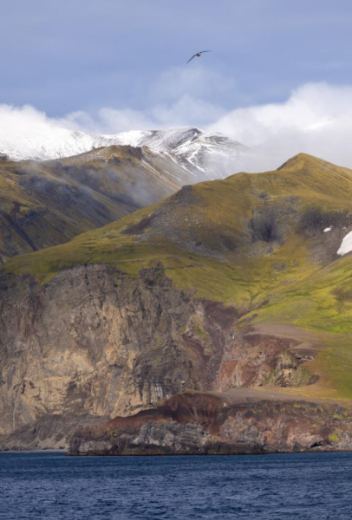
Jan Mayen: The Remote Volcanic Island Most Travelers Will Never Step Foot On
Read Post
5 mins read
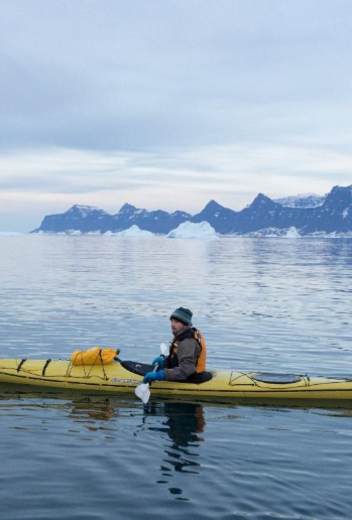
Kayaking Among Icebergs: A Bucket List Experience in Greenland
Read Post
5 mins read
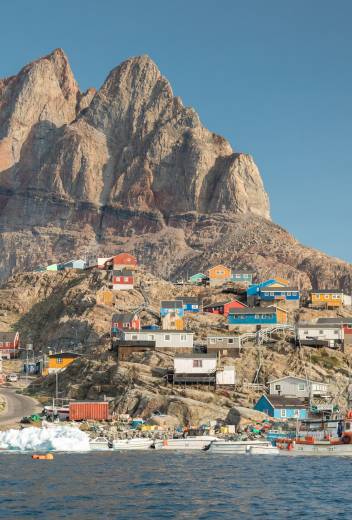
Greenland’s Growing Accessibility: Why It’s a Must-Visit Destination in 2025
Read Post
6 mins read
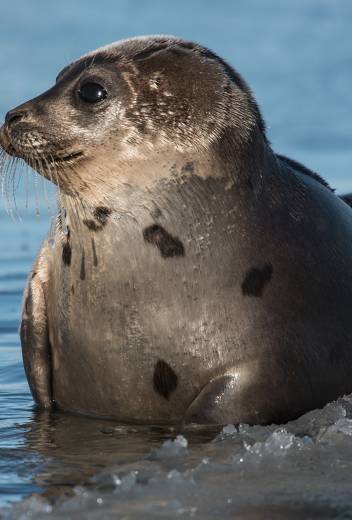
Wildlife Guide: Harp Seal Facts
Read Post

5 mins read
Wildlife Guide: Minke Whale Facts
Read Post

4 mins read
Wildlife Guide: Ptarmigan Facts
Read Post
1 min read
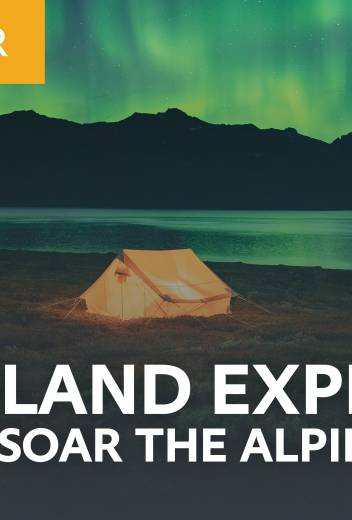
Greenland Explorer: Sail and Soar the Alpine Arctic
Read Post
9 mins read
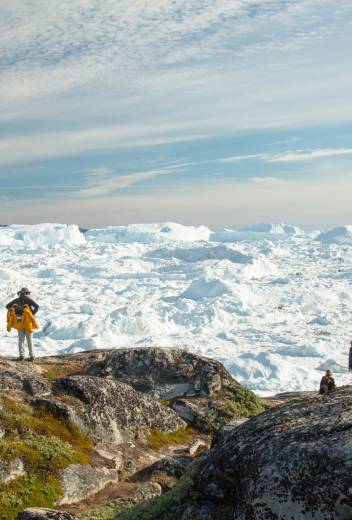
How to get to Ilulissat, Greenland
Read Post

8 mins read
Greenland vs. Iceland Travel
Read Post
4 mins read
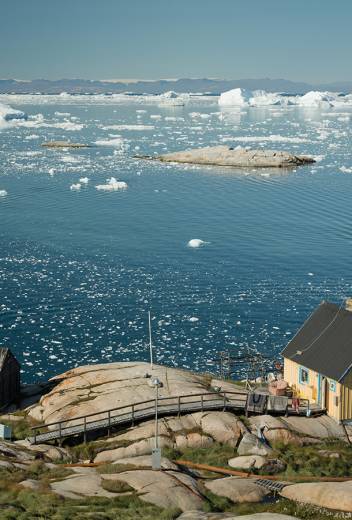
Is Greenland Worth Visiting?
Read Post

6 mins read
15 Most Beautiful Places In Greenland
Read Post
4 mins read
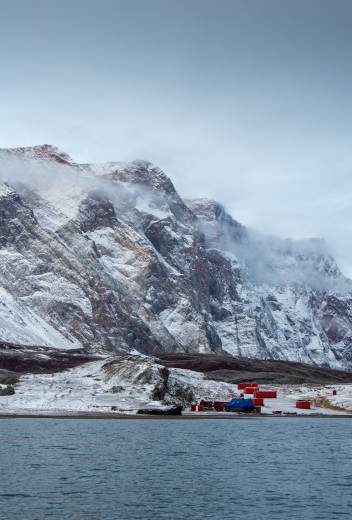
How To Travel To Greenland From the US
Read Post
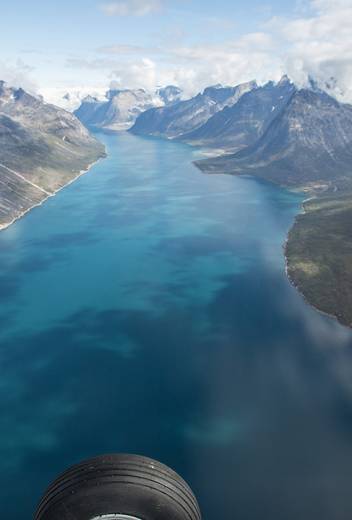
8 mins read
The largest fjords in the world
Read Post
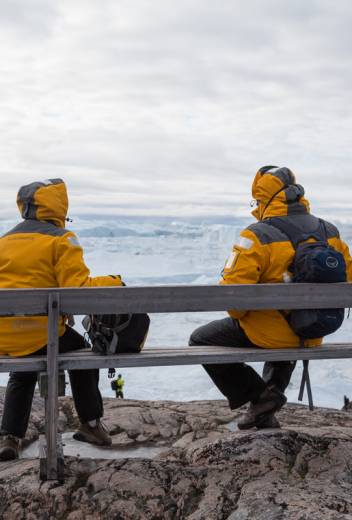
6 mins read
Guide To The Best Hikes In Greenland
Read Post
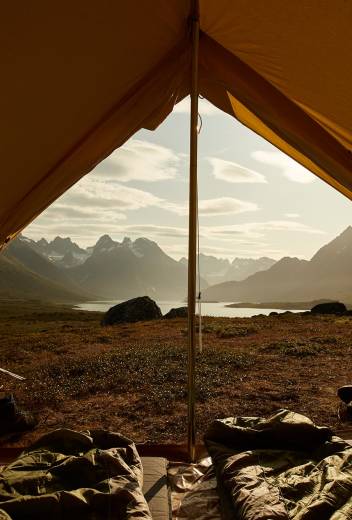
5 mins read
Greenland: The Land of the Midnight Sun
Read Post

6 mins read
Greenland Photography Tips
Read Post
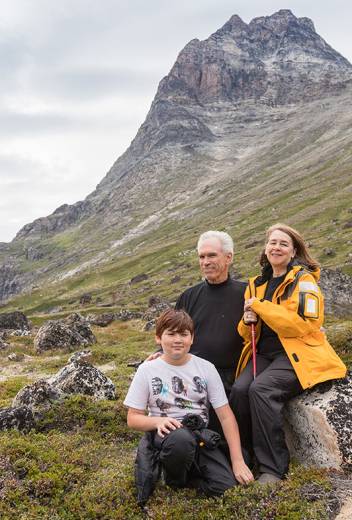
7 mins read
A Guide to Greenland Sightseeing
Read Post
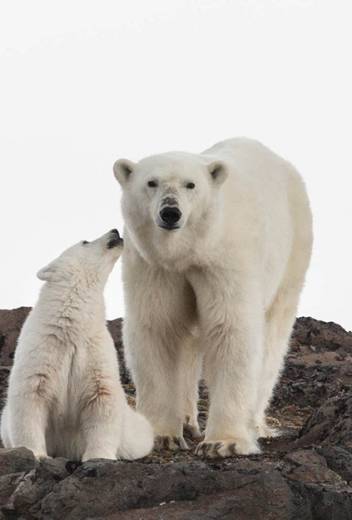
10 mins read
Top 15 Arctic Vacation Ideas
Read Post
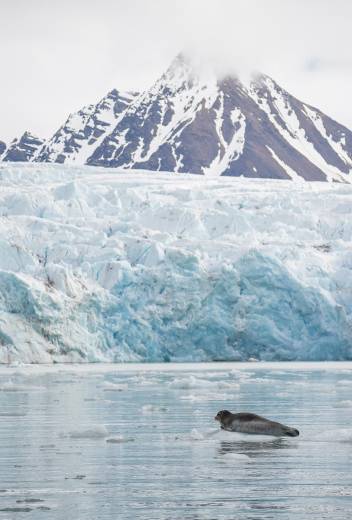
6 mins read
Greenland Glacier Tours
Read Post
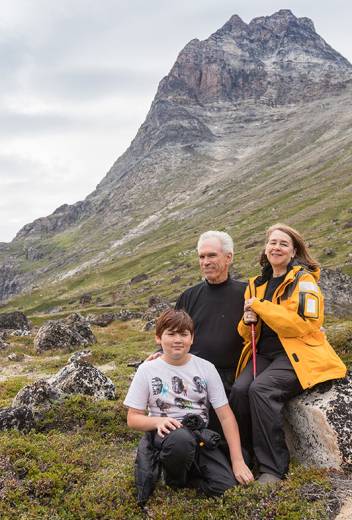
5 mins read
The Best Way To Visit Greenland
Read Post
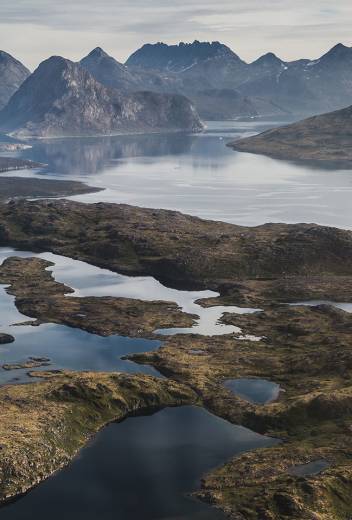
5 mins read
Do you need a visa to travel to Greenland?
Read Post
5 mins read
How to Travel to Greenland from Canada
Read Post