





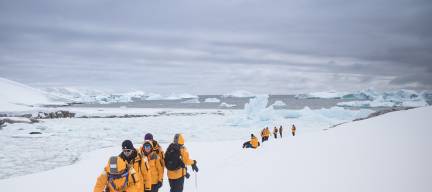
Antarctic Peninsula

5 mins read
Flying vs Sailing the Drake Passage: Your Antarctic Expedition Crossing Guide
There are few journeys on Earth that feel as legendary as crossing the Drake Passage. Whether you choose to fly across this iconic waterway or sail through it, this stretch between South America and Antarctica represents more than logistics—it defines your entire Antarctic expedition narrative. I recently experienced both routes during a single voyage. The contrast was striking. Here’s what I learned about these two fundamentally different approaches to reaching the White Continent, and how to choose the one that fits your adventure philosophy. Key Takeaways Flying: 2 hours, minimal motion sickness risk, high-energy arrival Sailing: 18–48 hours depending on conditions, immersive oceanic experience, wildlife viewing opportunities Best choice depends on: your time, sea tolerance, and travel philosophy Why not both: Quark expeditions offer fly-one-way, sail-return options. Explore our Antarctic Express voyages to experience both perspectives. The Swift Ascent: Flying Across the Drake Passage Imagine this: you’re standing at the southern tip of South America with coffee in hand. Within hours, you’ll be stepping onto Antarctic ice. Flying the Drake Passage is undeniably the fastest route to the Antarctic continent. A commercial aircraft carrying your expedition group completes the journey in approximately two hours—a transition so rapid it feels almost unreal. You leave Patagonian landscapes behind and arrive at King George Island facing towering ice cliffs and penguin colonies. The aerial perspective is extraordinary. As your plane climbs, you witness the Beagle Channel receding, the Drake Passage sprawling below in shades of grey and white, and eventually the Antarctic Peninsula emerging from cloud cover. This bird’s-eye approach to arrival creates an indelible first memory. What strikes most travelers is the simplicity of the experience. No extended sea preparation. No medication routines. […]
Read Post
9 mins read
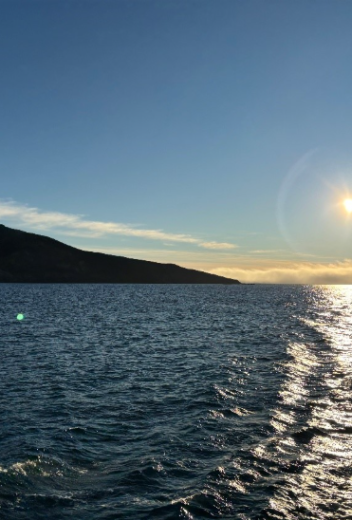
Eight Days in Antarctica: A Team Member's First Encounter
Read Post

7 mins read
Wildlife Guide: Adélie Penguin Facts
Read Post
7 mins read
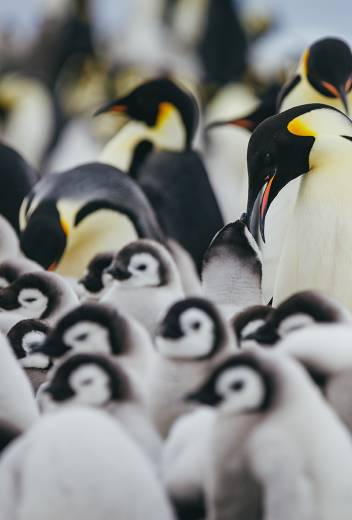
Wildlife Guide: Emperor Penguin Facts
Read Post

6 mins read
Wildlife Guide: Cormorant Facts
Read Post

5 mins read
Wildlife Guide: Minke Whale Facts
Read Post

5 mins read
Wildlife Guide: King Penguin Facts
Read Post
5 mins read
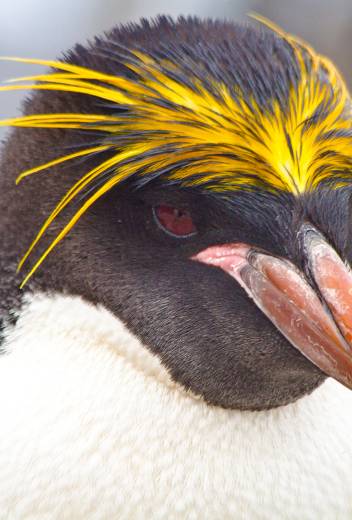
Wildlife Guide: Macaroni Penguin Facts
Read Post

7 mins read
15 Best Places To Visit In Antarctica
Read Post

5 mins read
Best Place To See Penguins In The Wild
Read Post

4 mins read
Antarctic Wildlife Guide: Penguin Tours
Read Post
5 mins read
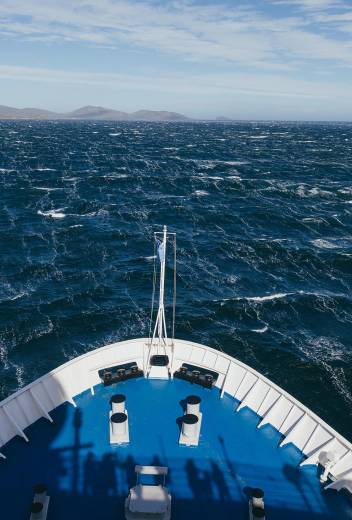
The Ultimate Drake Passage Cruise
Read Post
3 mins read
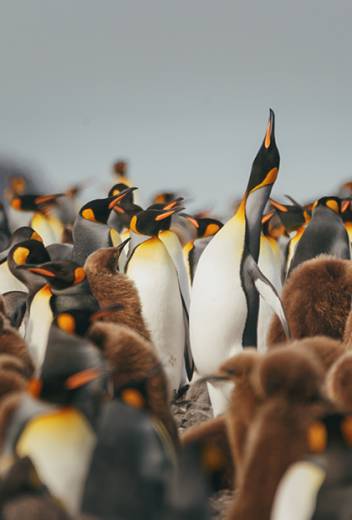
Celebrate World Penguin Day by Counting Penguin Chicks with Oxford Researchers
Read Post
5 mins read
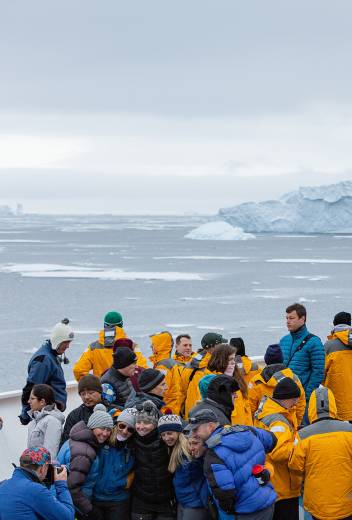
How To Join An Expedition To Antarctica
Read Post
6 mins read
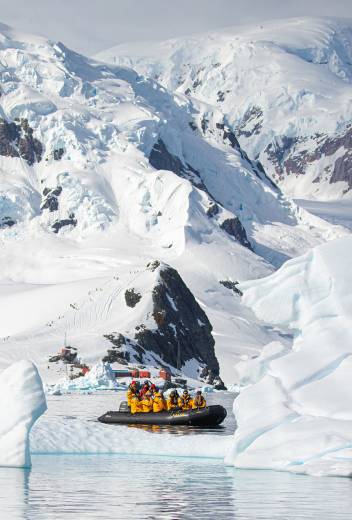
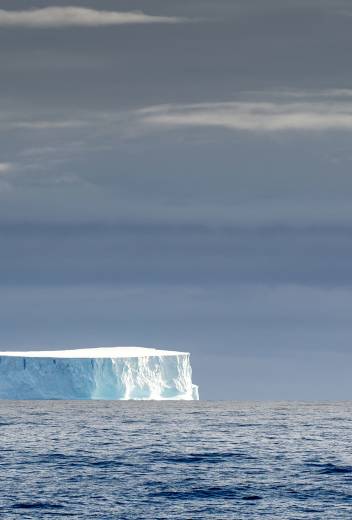
Sightseeing In Antarctica
Read Post
7 mins read
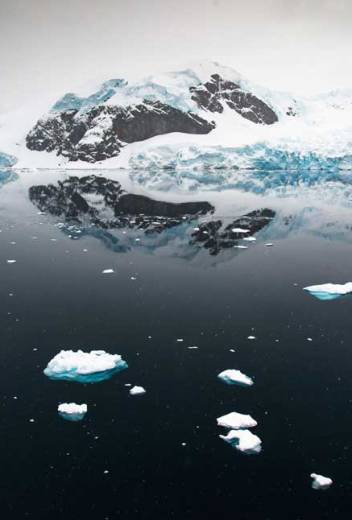
13 Best Tourist Attractions In Antarctica
Read Post
5 mins read
Travel Guide: Can You Fly to Antarctica?
Read Post

10 mins read
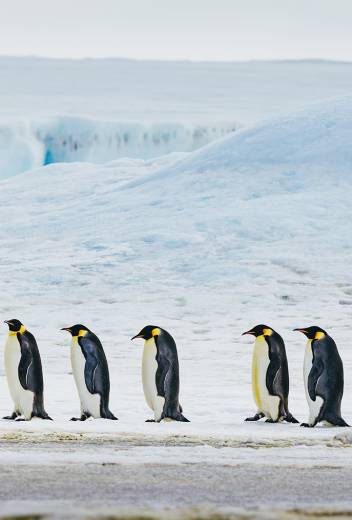
20 Breathtaking Pictures of Antarctica
Read Post
5 mins read
Best time to visit Antarctic Peninsula
Read Post

5 mins read
How To Enjoy Bird Watching In Antarctica
Read Post
4 mins read
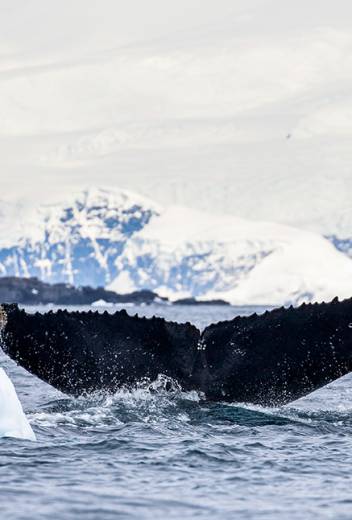
Best time to see whales in Antarctica
Read Post

9 mins read
Who Governs Antarctica: Tourism and History
Read Post
6 mins read
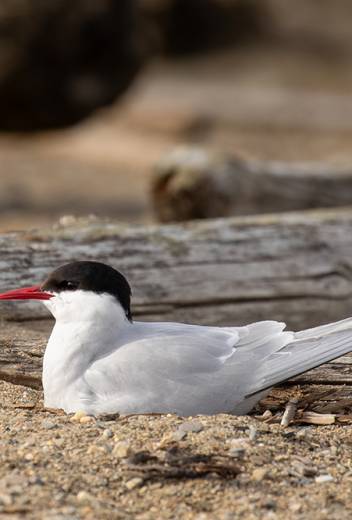
Arctic Tern Facts: Bird with the World’s Longest Migratory Route!
Read Post

5 mins read
Best Place to see a Total Solar Eclipse
Read Post