



Arctic · From 12 Days
Iceland Circumnavigation
Mountains, Volcanoes and Waterfalls
Starts from $18,199 USD
$14,559 USD
-
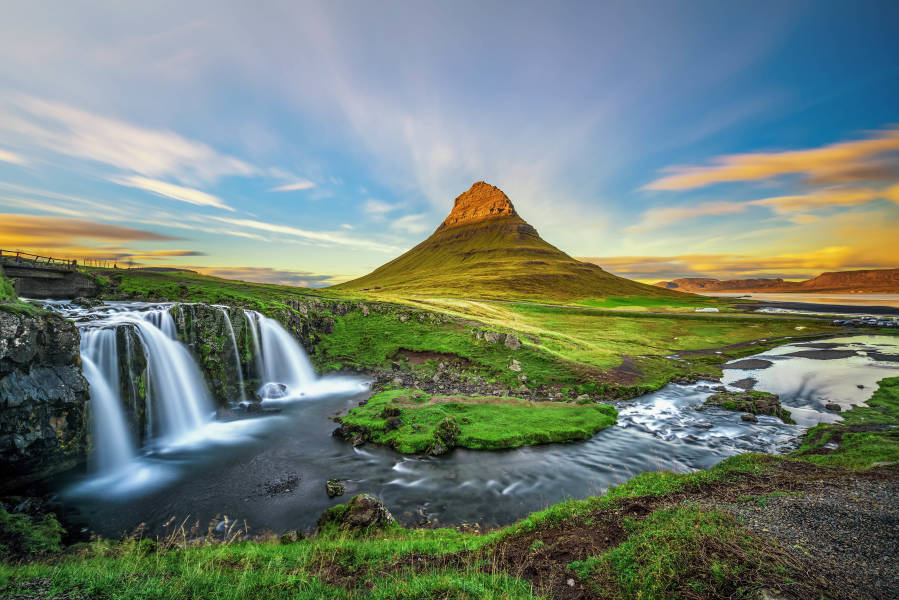
Summer sunset over the famous Kirkjufellsfoss Waterfall with Kirkjufell mountain in the background in Iceland. Long exposure.
-

View of the Godafoss waterfall in the Bardardalur district of North-Central Iceland
-

-

-

-
- Starting from
- Reykjavík, Iceland
- Ships
- Ultramarine
- Departures
- 1 Departure between July 2027 to August 2027
From $18,199 USD
$ 14,559 USD
Summer sunset over the famous Kirkjufellsfoss Waterfall with Kirkjufell mountain in the background in Iceland. Long exposure.
View of the Godafoss waterfall in the Bardardalur district of North-Central Iceland


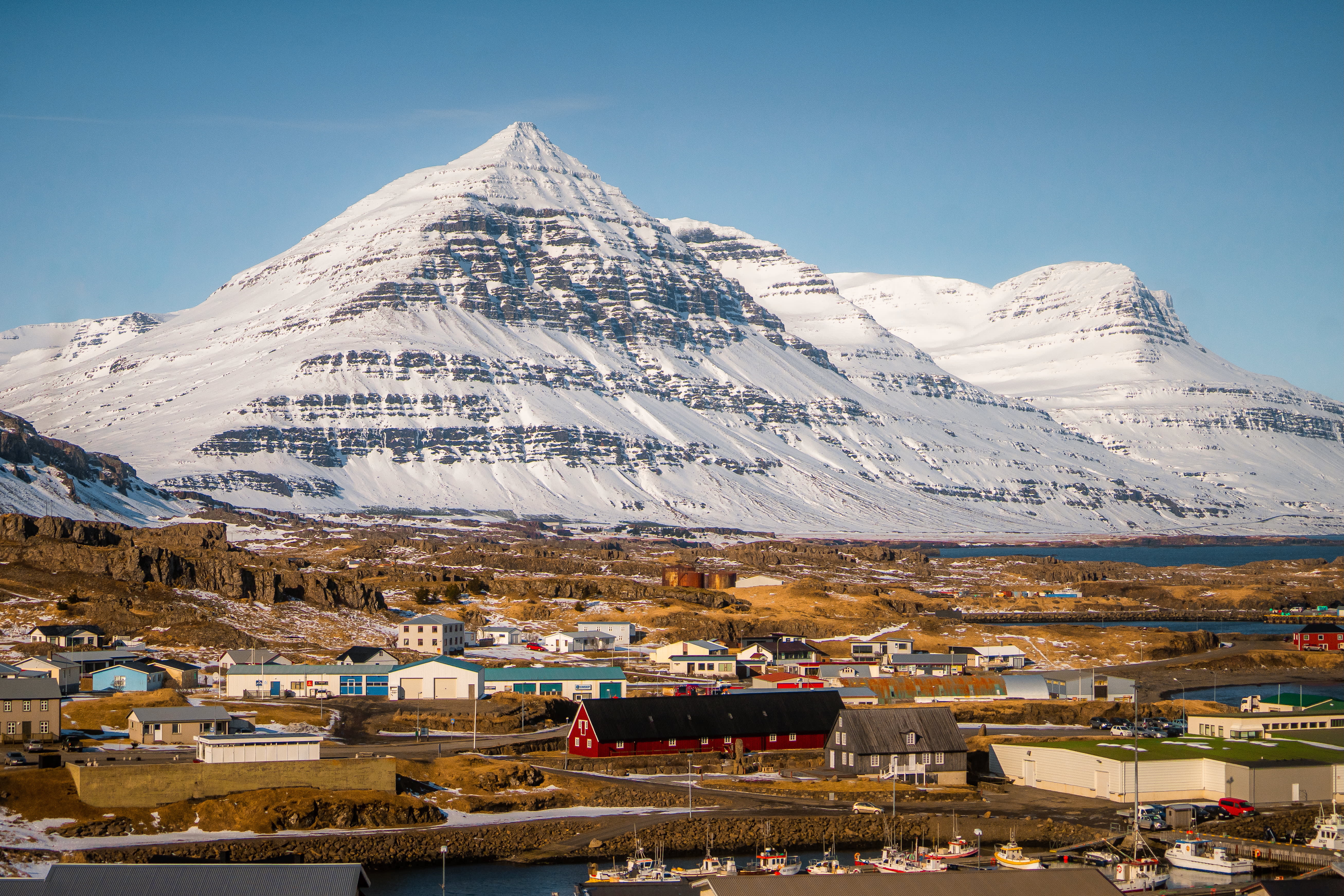
Beautiful view of Djúpivogur from Eyjaland , Small port towns on Berufjörður during winter sunny day at Djúpivogur , Peninsula near Austurland East of Iceland : 19 March 2020

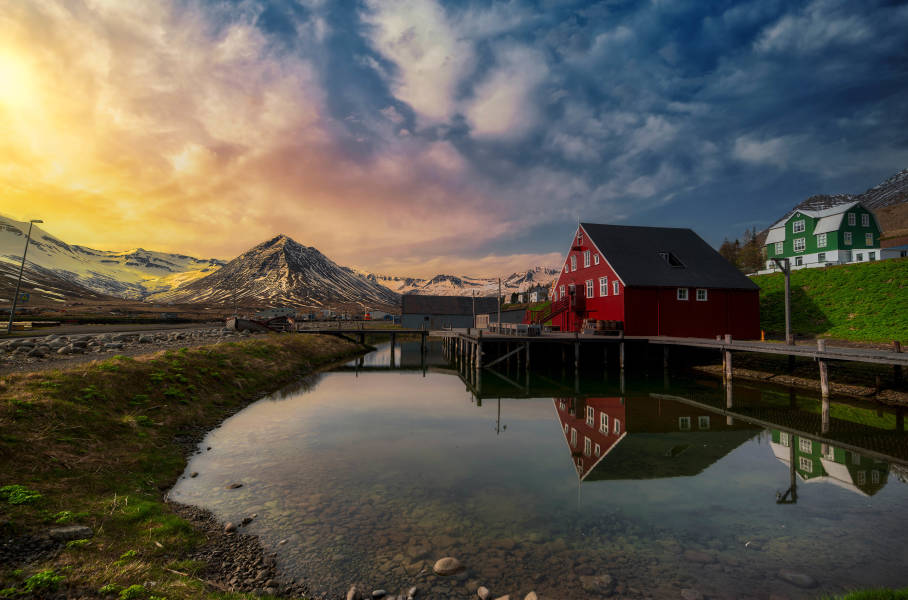
Siglufjordur is a small fishing village in the north of Iceland that has established itself as the most picturesque on the Trollaskagi Peninsula.Herring Era Museum
Expedition Overview
Experience the thrill of a lifetime—a complete circumnavigation of Iceland, the legendary Land of Fire and Ice. Our 12-day Iceland Circumnavigation: Mountains, Volcanoes and Waterfalls takes you around the entire island nation, starting and ending in Reykjavik. Explore by small polar ship, Zodiac, kayak, on foot, and occasionally by coach, as you witness thundering waterfalls, vast glaciers, erupting geysers, volcanic cliffs, and remote wild coasts. Cross the Arctic Circle, spot iconic puffins, marvel at Vatnajökull Glacier, and photograph Dettifoss—Europe’s most powerful waterfall.
Highlights
Circumnavigate the entire island nation
Observe iconic puffins
Spend three days in the remote Westfjords of Iceland
Cross the Arctic Circle by foot
Photograph Dettifoss, one of Europe's most powerful waterfalls
Visit Vatnajökull glacier
Select Your Season & Itinerary
Select Season
Reykjavík, Iceland
12 Days · Ultramarine
Starts from $14,559 USD
Select Itinerary
Reykjavík, Iceland
12 Days · Ultramarine
Starts from $14,559 USD
12 Days – From Reykjavík, Iceland on Ultramarine (Season 2027)
Day By Day & Map
-
Day 1
Arrive in Iceland
Arrive in the Icelandic capital and make your way to your included hotel. You will have the rest of the day to explore this fascinating city, known for its Norse history and stunning architecture.
-
Day 2
Embark on Ultramarine
Enjoy your complimentary breakfast at the hotel. Your transfer to the ship is scheduled for the afternoon, leaving you time to explore Reykjavik in the morning and have lunch on your own before you rendez-vous back at the hotel for the bus transfer to the port.
-
Day 3 to 5
The Westfjords: Icelands Hidden Gem
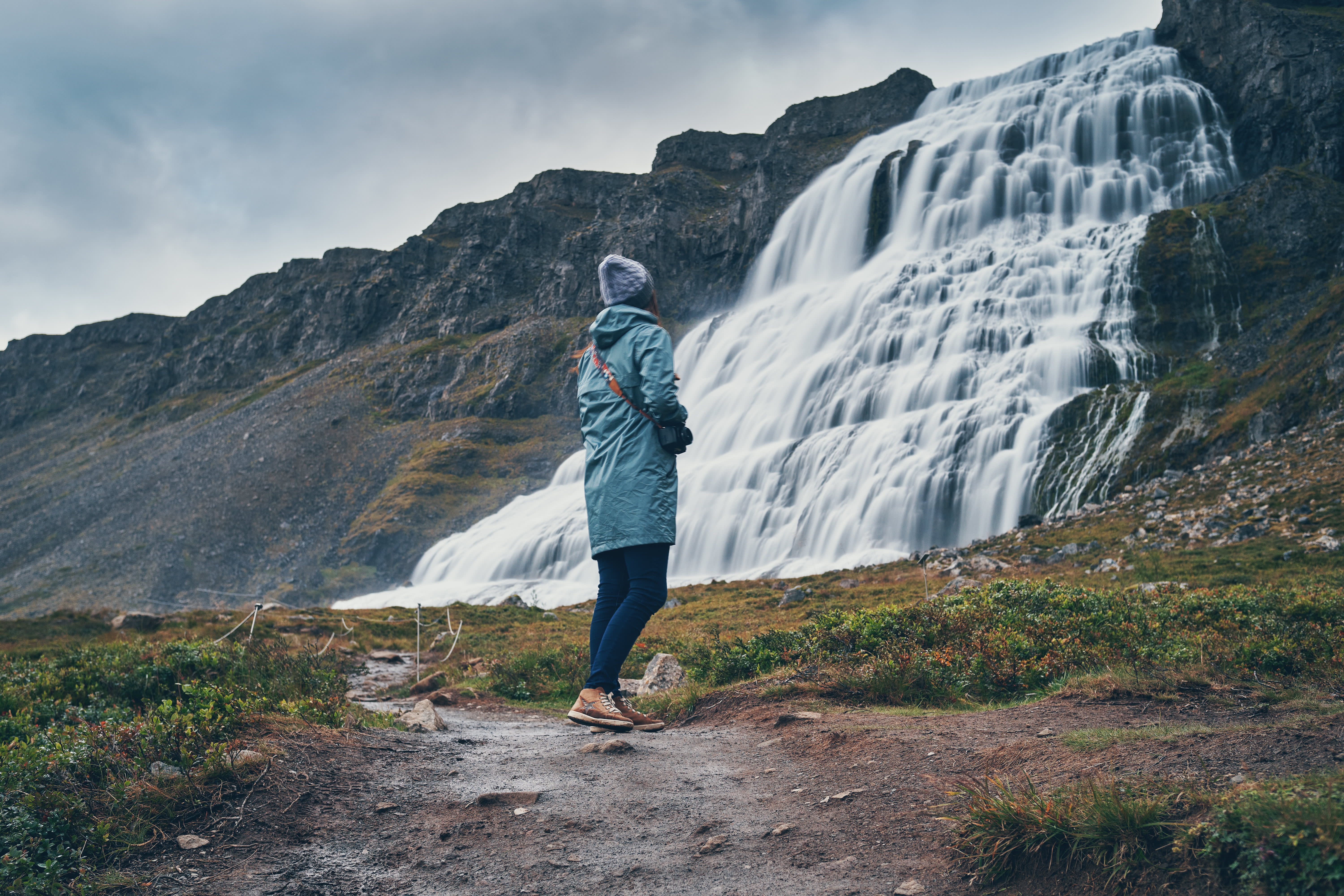
The seldom-visited Westfjords—where land meets sea in the most dramatic fashion—are often referred to as “Iceland’s best-kept secret.” This rugged peninsula at the country’s remote northwestern tip is rife with fjords, mountains, tumbling cliffs, gushing waterfalls, colorful beaches, rolling green hills, high moorlands dotted with rocky outcrops, small lakes, and the occasional shaggy Icelandic sheep or grazing pony. A few modest outposts of civilization, in the form of small fishing communities nestled along the fjords and shores of the Denmark Strait, face out into the mighty Atlantic, keeping alive a maritime heritage that stretches back to the Viking days. The Westfjords are the least developed of Iceland’s coastal areas and, consequently, the wildest. Guests will venture into this territory on Zodiac cruises and guided shore landings at unspoiled wilderness sites where they can hike and explore on foot. One of the many waterfall highlights is Dynjandi, meaning “thunderous.” Without a doubt, it’s one of the most spectacular waterfalls in Iceland. The water plunges from a height of 100 meters (328 feet), tumbling over numerous ledges to create an ethereal, otherworldly ambience. You’ll also get to visit Vigur, a private island where guests can delve into Icelandic culture and heritage as far back as the 11th century. Vigur is widely regarded as a capsule of Icelandic heritage. One of the island’s co-owners is polar explorer Felicity Aston, the first woman to ski solo across Antarctica. You’ll learn about the Icelandic tradition of eiderdown harvesting, as well as the wide array of Arctic birdlife and seals that inhabit the island. It’s estimated that Vigur is home to more than 7,000 breeding ducks, 100,000 puffins, Europe’s largest colony of Black Guillemots, and vast flocks of Arctic terns. You’ll also have opportunities to ramble about the island, taste local food, and visit the island café. Today’s adventure options include Zodiac cruising, sea kayaking, our paddle excursion program, and, potentially, a guided shore hike. Right across the bay lies Mongufoss, one of Iceland’s most remote and beautiful waterfalls, which we’ll visit by ship. On our final day in the Westfjords, our Expedition Team will seek out more of the region’s rarely visited, remote corners.
-
Day 6 to 8
Northern Iceland: Birds, Waterfalls, and Crossing the Arctic Circle
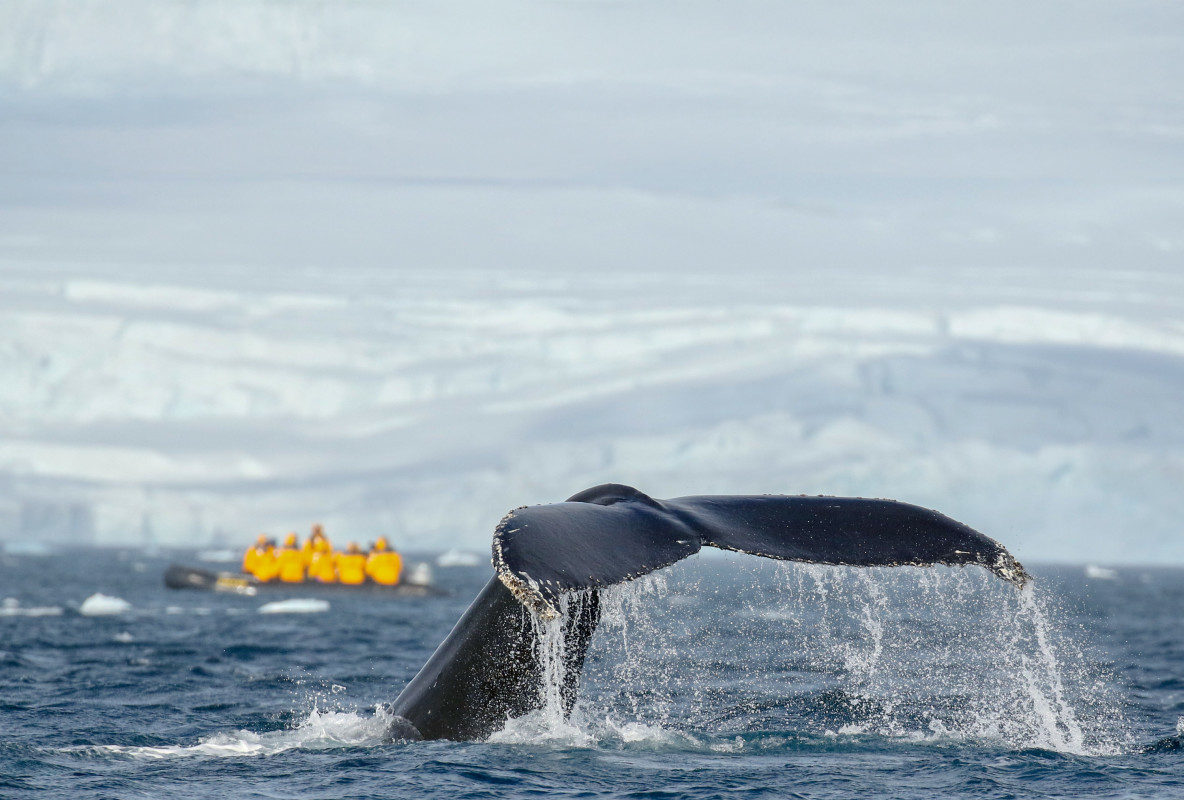
We’ll spend the next three days exploring Northern Iceland by Zodiac, on foot, and occasionally by coach. The north of Iceland, with its long valleys and peninsulas, is interspersed with mountains, lava fields, and smooth hills carved over time by the unceasing f low of rivers. Many first-time visitors are surprised to see that the deep indentations along the northern coasts are alternately lush with vegetation—or completely barren. Your sense of awe will grow as we approach the Arctic Circle and experience the captivating brilliance of the midnight sun. Prepare to be overwhelmed by some of the most impressive waterfalls in Europe, including thunderous Dettifoss and historic Goðafoss, the “Waterfall of the Gods.” Equally striking are the geological wonders of Mývatn and the lava fields of Dimmuborgir— featured in numerous scenes in Game of Thrones. At Hverir, bubbling mud pots and steaming vents create a surreal landscape, while at Skútustaðir you’ll encounter pseudocraters—volcanic features formed not by eruptions but by underground steam. You can also fulfill a polar milestone on this voyage by crossing the Arctic Circle. We’ll visit Grímsey (population: 70), the only part of Iceland that lies within the Arctic Circle. Expect to see large colonies of puffins. Other highlights in Northern Iceland include Skagafjörður, a fjord known for its impressive birdlife. Guillemots, kittiwakes, puffins, and other seabirds nest on the near-vertical cliffs of Drangey. We’ll also visit Siglufjörður, a quiet f ishing village rich in history. Later, after one of our waterfall excursions, we plan an evening stop in the beautiful seaside town of Húsavík. As we journey along the northern coasts, watch for potential whale sightings. Minke, humpback, and occasionally fin and orca are seen in these waters. The scenery will tempt you to reach for your camera again and again. But we invite you to pause, put it aside, and simply embrace the wonder of this enchanting landscape.
-
Day 9
East Iceland: Fjords, Mountains, and Icelandic Heritage
East Iceland is defined by fantastic scenery, featuring deep narrow fjords, towering mountains, the country’s largest forest (Hallormsstaðaskógur), lush farmlands, abundant fjords, and picturesque fishing villages. This morning we find ourselves on Seyðisfjorður a fjord marked by stunning scenery, steep mountains carpeted in verdant green, with streams cascading down picture perfect alpine valleys. It’s also home to the Skalanes Nature and Heritage Center, a place rich in biodiversity, science, cultural heritage, and education. Here, we hope to meet with local scientists, who host students and fellow researchers throughout the year. There is a network of trails available to us with options suited to all abilities, and local science and cultural educators will be happy to share their knowledge with us along the way. While reindeer sightings are not everyday occurrences, they do happen, so we’ll scan the hillsides carefully. Arctic foxes are also occasionally seen in the mountains above Skálanes. Beyond science and research, Skálanes is devoted to preserving cultural heritage through practice and story. Iceland’s traditions are felt here, not only in the epic sagas but also in the enduring ways of people who for centuries have lived in harmony with this harsh yet beautiful land—where nature, science, and culture intersect.
-
Day 10
Southern Iceland: Djupivogur and Vatnajokull Glacier
Djúpivogur sits where east and south Iceland meet. Here, the rugged, verdant topography of the east gives way to the gentler forelands of the south, which ultimately rise to Vatnajökull, Iceland’s famous ice cap, crowned by its tallest peaks, the 2,100-meter (6,890 feet) Hvannadalshnúkur. Though Djúpivogur has the infrastructure to welcome ships like Ultramarine, it remains a small community, situated amid ranges of triangular mountain peaks. These mountains are lush with vegetation, accented by rocky outcrops, lingering snowfields, and cascading waterfalls— landscapes we won’t want to leave. From here, we’ll travel westward by coach, as the south coast’s waters are shallow and wave-battered, making them inhospitable for landing. Instead, we’ll journey inland to Vatnajökull National Park, celebrated for its glaciers, volcanoes, waterfalls, and geothermal springs. We’ll explore Jökulsárlón Glacier Lagoon, marvel at its drifting icebergs, walk along Diamond Beach with its striking black sands, and hike this otherworldly coastline.
-
Day 11
The Westman Islands (Vestmannaeyjar): Nature-Rich Archipelago
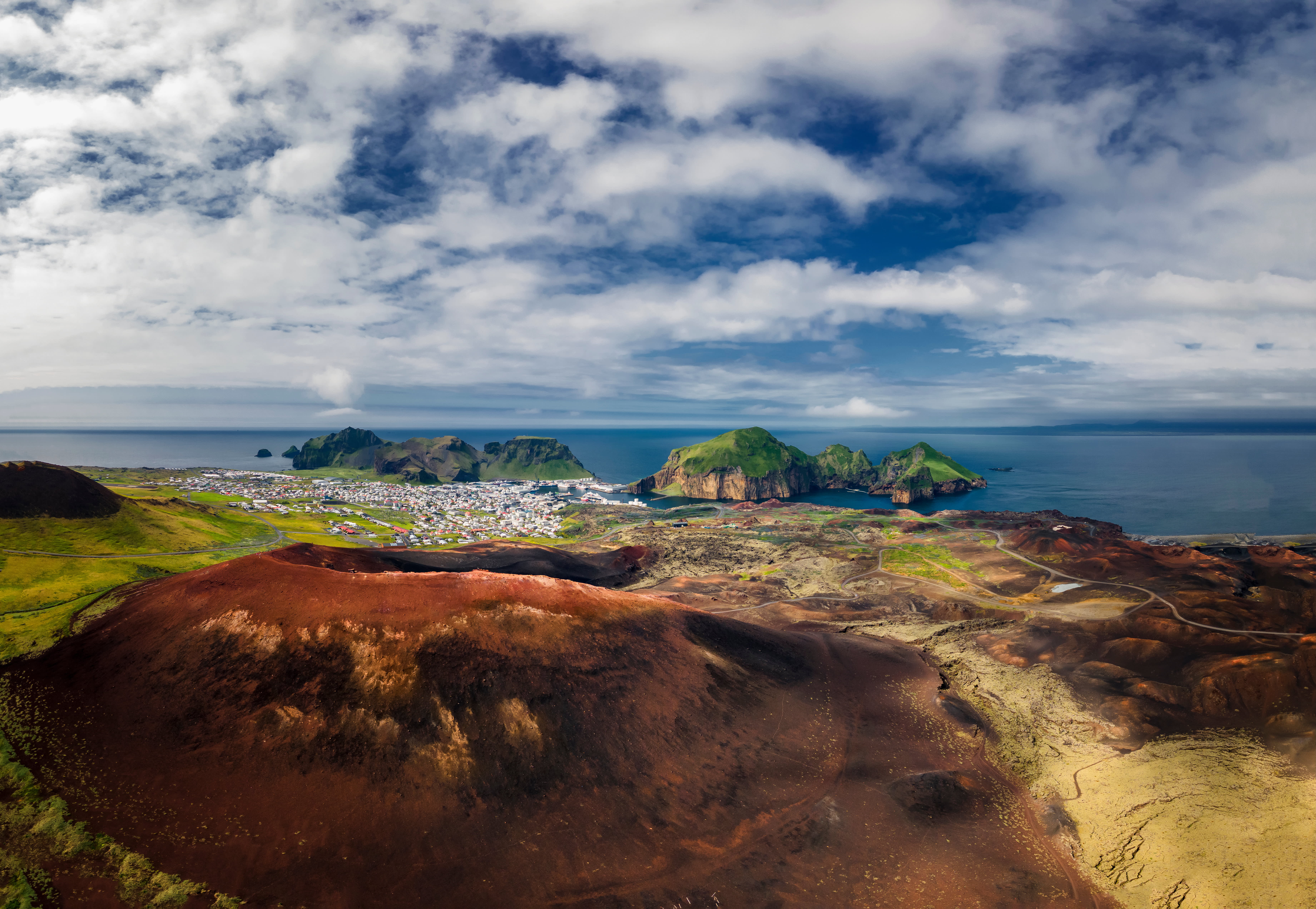
Today we explore The Westman Islands by ship and Zodiac. The archipelago of 15 islands, and surrounding sea cliffs, are teeming with birdlife. In fact, The Westman Islands group is home to one of the largest puffin colonies in the world, and is also renowned for its rich fishing grounds and whale population. Formed by below-sea-level eruptions, the soil is shallow and not suitable for agriculture— which is obvious when you see the large stretches of rocky terrain and lava. However, some rare plants grow in Herjólfsdalur Valley. The Westman Islands are rich in stories, none more dramatic than the volcanic eruption of 1973 that destroyed many buildings on Heimaey, the largest—and only inhabited—of the islands. Evidence of the event can still be seen today. Heimaey is also home to one of the most remarkable harbors in Iceland, with an entrance so narrow it is unforgettable on approach. As we near its tightest passage, look to the starboard side to glimpse Klettsvík, a sheltered cove once home to the killer whale Keiko—better known to the world as “Willy,” star of the film Free Willy. Following the movie’s release, a campaign was launched to grant Keiko real freedom. His gradual reintroduction to the wild included time here in Klettsvík, where he first encountered the open waters of Iceland before eventually swimming free. Beyond its human and cinematic history, Heimaey is also a haven for large seabird colonies. Puffins nest in great numbers here, and we will have the chance to visit one of the colonies by foot at the island’s southernmost point. The walk itself is rewarding: meadows of tall grass swaying in the wind, sheep grazing contentedly, and cobalt-blue seas stretching southward.
-
Day 12
Disembark Reykjavik
You’ll disembark in Reykjavik, Iceland’s bustling capital, at the end of your journey. If you have booked post-expedition accommodation, we provide a transfer to a central downtown location.

What’s Included & Excluded
- An official Quark Expeditions® parka to keep
- Leadership throughout your voyage by our experienced Expedition Leaders, including shore landings and other activities
- All Zodiac transfers and cruising as per the daily program
- All shore landings as per the daily program
- Shipboard accommodation with daily housekeeping
- All meals, snacks, soft drinks and juices on board throughout your voyage (Please inform us of any dietary requirements as far in advance as possible.)
- Complimentary select beer, wines and cocktails during bar service hours and dinner
- Complimentary coffee, tea and cocoa available around the clock
- Formal and informal presentations by our Expedition Team and guest speakers as scheduled
- A photographic journal documenting the expedition
- A pair of waterproof expedition boots on loan for landings and Zodiac cruising excursions
- Hair dryer and bathrobes in every cabin
- Complimentary Wi-Fi service on one device permitting basic Internet browsing, email, posting on social media and voice applications. (Premium packages are available for more data-intensive applications.) Note: Internet access in the polar regions is subject to geography, climate, and other factors beyond our control
- All miscellaneous service taxes and port charges throughout the program
- All luggage handling aboard the ship
- One night’s pre-expedition hotel accommodation in Reykjavik, with breakfast
- Group transfer from the Reykjavik hotel to the ship on Day 2
- Group transfer from the ship to downtown Reykjavik on disembarkation day
- International airfare
- Arrival and departure transfers in Reykjavik
- Passport and visa expenses
- Government arrival and departure taxes not mentioned above
- Baggage, cancellation, interruption and medical travel insurance—strongly recommended
- Excess-baggage fees on international and domestic flights
- Mandatory waterproof pants for Zodiac cruising, or any other gear not mentioned
- Laundry, bar, spa and other personal charges unless specified
- Phone charges may vary by location
- Voluntary gratuity at the end of the voyage for shipboard staff and crew
- Additional overnight accommodation
- Adventure Options not listed in Included Activities
12 Days – From Reykjavík, Iceland on Ultramarine (Season 2027)
12 Days – From Reykjavík, Iceland on Ultramarine (Season 2027)
-
Day 1
Arrive in Iceland
Arrive in the Icelandic capital and make your way to your included hotel. You will have the rest of the day to explore this fascinating city, known for its Norse history and stunning architecture.
-
Day 2
Embark on Ultramarine
Enjoy your complimentary breakfast at the hotel. Your transfer to the ship is scheduled for the afternoon, leaving you time to explore Reykjavik in the morning and have lunch on your own before you rendez-vous back at the hotel for the bus transfer to the port.
-
Day 3 to 5
The Westfjords: Icelands Hidden Gem
The seldom-visited Westfjords—where land meets sea in the most dramatic fashion—are often referred to as “Iceland’s best-kept secret.” This rugged peninsula at the country’s remote northwestern tip is rife with fjords, mountains, tumbling cliffs, gushing waterfalls, colorful beaches, rolling green hills, high moorlands dotted with rocky outcrops, small lakes, and the occasional shaggy Icelandic sheep or grazing pony. A few modest outposts of civilization, in the form of small fishing communities nestled along the fjords and shores of the Denmark Strait, face out into the mighty Atlantic, keeping alive a maritime heritage that stretches back to the Viking days. The Westfjords are the least developed of Iceland’s coastal areas and, consequently, the wildest. Guests will venture into this territory on Zodiac cruises and guided shore landings at unspoiled wilderness sites where they can hike and explore on foot. One of the many waterfall highlights is Dynjandi, meaning “thunderous.” Without a doubt, it’s one of the most spectacular waterfalls in Iceland. The water plunges from a height of 100 meters (328 feet), tumbling over numerous ledges to create an ethereal, otherworldly ambience. You’ll also get to visit Vigur, a private island where guests can delve into Icelandic culture and heritage as far back as the 11th century. Vigur is widely regarded as a capsule of Icelandic heritage. One of the island’s co-owners is polar explorer Felicity Aston, the first woman to ski solo across Antarctica. You’ll learn about the Icelandic tradition of eiderdown harvesting, as well as the wide array of Arctic birdlife and seals that inhabit the island. It’s estimated that Vigur is home to more than 7,000 breeding ducks, 100,000 puffins, Europe’s largest colony of Black Guillemots, and vast flocks of Arctic terns. You’ll also have opportunities to ramble about the island, taste local food, and visit the island café. Today’s adventure options include Zodiac cruising, sea kayaking, our paddle excursion program, and, potentially, a guided shore hike. Right across the bay lies Mongufoss, one of Iceland’s most remote and beautiful waterfalls, which we’ll visit by ship. On our final day in the Westfjords, our Expedition Team will seek out more of the region’s rarely visited, remote corners.
-
Day 6 to 8
Northern Iceland: Birds, Waterfalls, and Crossing the Arctic Circle
We’ll spend the next three days exploring Northern Iceland by Zodiac, on foot, and occasionally by coach. The north of Iceland, with its long valleys and peninsulas, is interspersed with mountains, lava fields, and smooth hills carved over time by the unceasing f low of rivers. Many first-time visitors are surprised to see that the deep indentations along the northern coasts are alternately lush with vegetation—or completely barren. Your sense of awe will grow as we approach the Arctic Circle and experience the captivating brilliance of the midnight sun. Prepare to be overwhelmed by some of the most impressive waterfalls in Europe, including thunderous Dettifoss and historic Goðafoss, the “Waterfall of the Gods.” Equally striking are the geological wonders of Mývatn and the lava fields of Dimmuborgir— featured in numerous scenes in Game of Thrones. At Hverir, bubbling mud pots and steaming vents create a surreal landscape, while at Skútustaðir you’ll encounter pseudocraters—volcanic features formed not by eruptions but by underground steam. You can also fulfill a polar milestone on this voyage by crossing the Arctic Circle. We’ll visit Grímsey (population: 70), the only part of Iceland that lies within the Arctic Circle. Expect to see large colonies of puffins. Other highlights in Northern Iceland include Skagafjörður, a fjord known for its impressive birdlife. Guillemots, kittiwakes, puffins, and other seabirds nest on the near-vertical cliffs of Drangey. We’ll also visit Siglufjörður, a quiet f ishing village rich in history. Later, after one of our waterfall excursions, we plan an evening stop in the beautiful seaside town of Húsavík. As we journey along the northern coasts, watch for potential whale sightings. Minke, humpback, and occasionally fin and orca are seen in these waters. The scenery will tempt you to reach for your camera again and again. But we invite you to pause, put it aside, and simply embrace the wonder of this enchanting landscape.
-
Day 9
East Iceland: Fjords, Mountains, and Icelandic Heritage
East Iceland is defined by fantastic scenery, featuring deep narrow fjords, towering mountains, the country’s largest forest (Hallormsstaðaskógur), lush farmlands, abundant fjords, and picturesque fishing villages. This morning we find ourselves on Seyðisfjorður a fjord marked by stunning scenery, steep mountains carpeted in verdant green, with streams cascading down picture perfect alpine valleys. It’s also home to the Skalanes Nature and Heritage Center, a place rich in biodiversity, science, cultural heritage, and education. Here, we hope to meet with local scientists, who host students and fellow researchers throughout the year. There is a network of trails available to us with options suited to all abilities, and local science and cultural educators will be happy to share their knowledge with us along the way. While reindeer sightings are not everyday occurrences, they do happen, so we’ll scan the hillsides carefully. Arctic foxes are also occasionally seen in the mountains above Skálanes. Beyond science and research, Skálanes is devoted to preserving cultural heritage through practice and story. Iceland’s traditions are felt here, not only in the epic sagas but also in the enduring ways of people who for centuries have lived in harmony with this harsh yet beautiful land—where nature, science, and culture intersect.
-
Day 10
Southern Iceland: Djupivogur and Vatnajokull Glacier
Djúpivogur sits where east and south Iceland meet. Here, the rugged, verdant topography of the east gives way to the gentler forelands of the south, which ultimately rise to Vatnajökull, Iceland’s famous ice cap, crowned by its tallest peaks, the 2,100-meter (6,890 feet) Hvannadalshnúkur. Though Djúpivogur has the infrastructure to welcome ships like Ultramarine, it remains a small community, situated amid ranges of triangular mountain peaks. These mountains are lush with vegetation, accented by rocky outcrops, lingering snowfields, and cascading waterfalls— landscapes we won’t want to leave. From here, we’ll travel westward by coach, as the south coast’s waters are shallow and wave-battered, making them inhospitable for landing. Instead, we’ll journey inland to Vatnajökull National Park, celebrated for its glaciers, volcanoes, waterfalls, and geothermal springs. We’ll explore Jökulsárlón Glacier Lagoon, marvel at its drifting icebergs, walk along Diamond Beach with its striking black sands, and hike this otherworldly coastline.
-
Day 11
The Westman Islands (Vestmannaeyjar): Nature-Rich Archipelago
Today we explore The Westman Islands by ship and Zodiac. The archipelago of 15 islands, and surrounding sea cliffs, are teeming with birdlife. In fact, The Westman Islands group is home to one of the largest puffin colonies in the world, and is also renowned for its rich fishing grounds and whale population. Formed by below-sea-level eruptions, the soil is shallow and not suitable for agriculture— which is obvious when you see the large stretches of rocky terrain and lava. However, some rare plants grow in Herjólfsdalur Valley. The Westman Islands are rich in stories, none more dramatic than the volcanic eruption of 1973 that destroyed many buildings on Heimaey, the largest—and only inhabited—of the islands. Evidence of the event can still be seen today. Heimaey is also home to one of the most remarkable harbors in Iceland, with an entrance so narrow it is unforgettable on approach. As we near its tightest passage, look to the starboard side to glimpse Klettsvík, a sheltered cove once home to the killer whale Keiko—better known to the world as “Willy,” star of the film Free Willy. Following the movie’s release, a campaign was launched to grant Keiko real freedom. His gradual reintroduction to the wild included time here in Klettsvík, where he first encountered the open waters of Iceland before eventually swimming free. Beyond its human and cinematic history, Heimaey is also a haven for large seabird colonies. Puffins nest in great numbers here, and we will have the chance to visit one of the colonies by foot at the island’s southernmost point. The walk itself is rewarding: meadows of tall grass swaying in the wind, sheep grazing contentedly, and cobalt-blue seas stretching southward.
-
Day 12
Disembark Reykjavik
You’ll disembark in Reykjavik, Iceland’s bustling capital, at the end of your journey. If you have booked post-expedition accommodation, we provide a transfer to a central downtown location.
Explore Activities and Extensions
Activities vary by itinerary, ship, destination and are subject to weather conditions. Checkout our Itineraries to explore what’s included in each voyage.



Expedition Ships







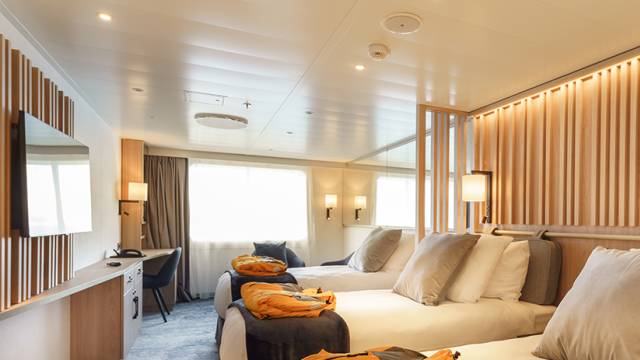


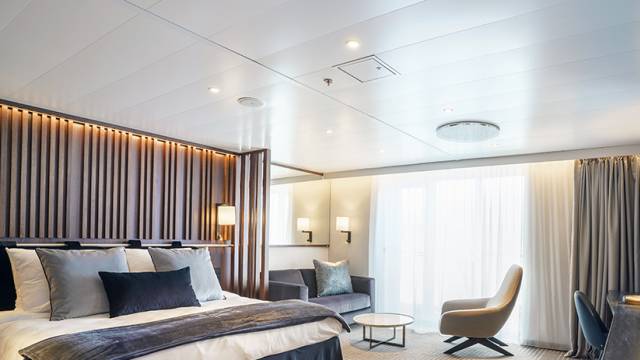


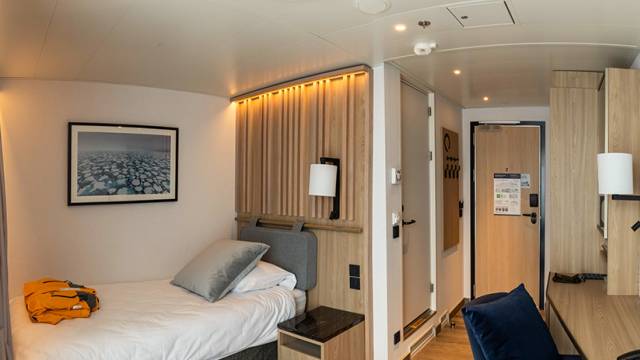


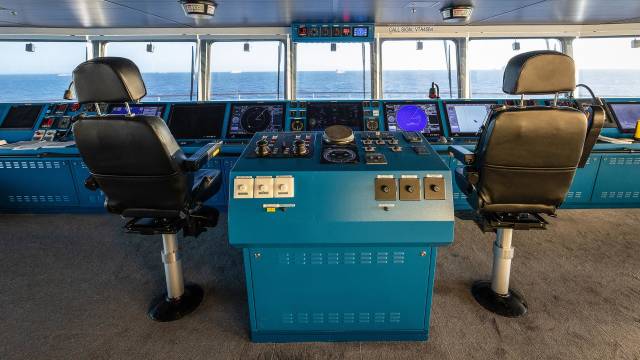


Possible Excursions
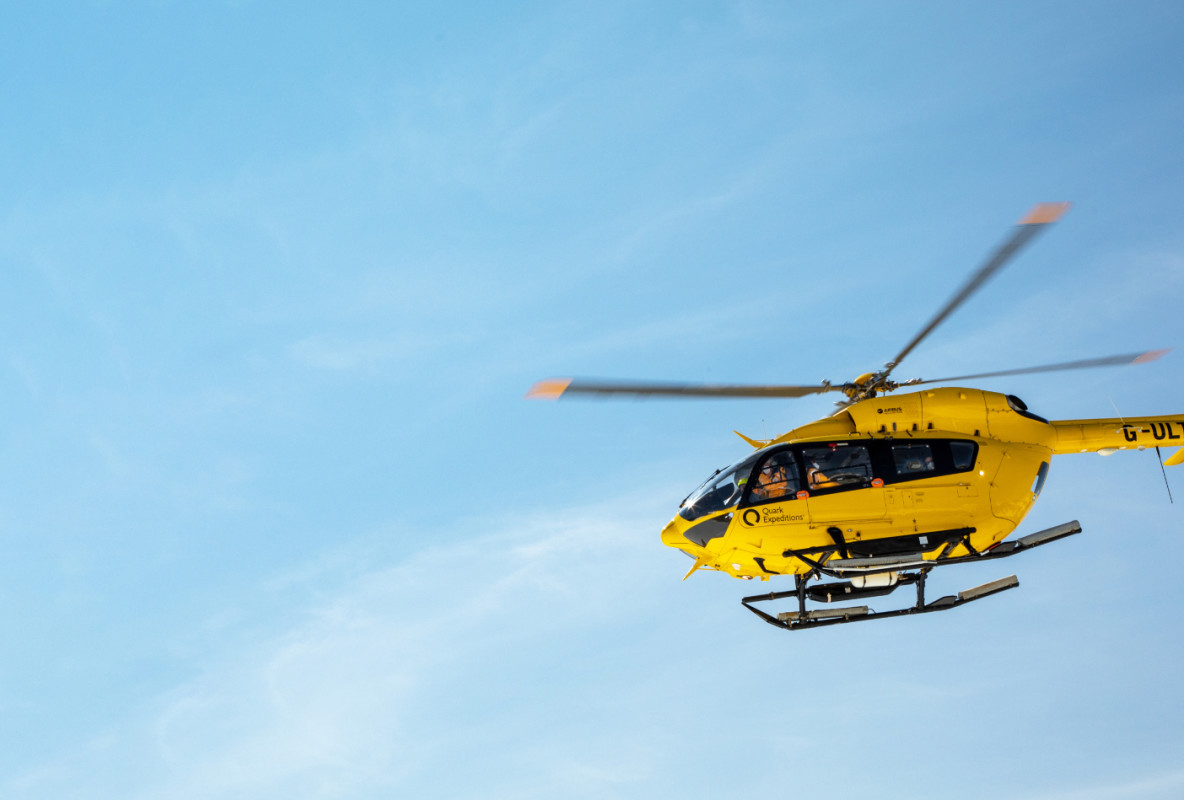
When traveling in extremely remote regions, your Expedition Team must consider the sea, ice and weather to guide the route and itinerary details. The following sites are a sample of what you may experience on your expedition, whether by ship, Zodiac cruise, helicopter, or shore landing.
The Westfjords

North Iceland

East Iceland

South Iceland

The Westman Islands
The Westfjords
-
Dynjandi Waterfall
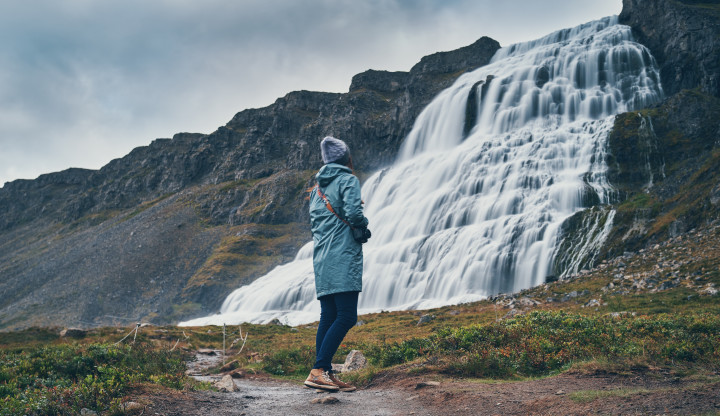
Dynjandi, meaning “thunderous,” is without doubt one of the most spectacular waterfalls in Iceland – if not the world. The water plunges from a height of 100 meters (328 feet), tumbling down over numerous ledges, creating an ethereal, otherworldly ambience.
-
Möngufoss Waterfalls
Möngufoss is one of Iceland’s most remote and beautiful waterfalls, where torrents of glacial meltwater cascade down a 60-meter (197 feet) drop. We’ll approach this coastal waterfall by Zodiac and get a much closer look at the falls during a guided hike.
-
Vigur
The island farm at Vigur offers opportunities to see nesting seabirds, including Atlantic puffins, and to experience a continuation of authentic Icelandic heritage. This private island enables guests to delve into Icelandic culture and heritage as far back as the 11th century. Vigur is widely regarded as a capsule of Icelandic heritage. It’s also a bird-watching oasis, where we may see nesting seabirds including Atlantic puffins.
North Iceland

-
Dettifoss Waterfalls
Prepare to be overwhelmed by one of the most impressive waterfalls in Europe: Standing 44 meters (144 feet) tall and 100 meters (330 feet) wide, Dettifoss, in northeast Iceland’s Vatnajökull National Park, is unrivaled in its thunderous roar.
-
Grimsey
The green island of Grímsey is the only part of Iceland that lies within the Arctic Circle. In 2017, an eight-ton giant ball, called “Orbis et Globus” (meaning Circle and Sphere), was installed on the northern tip of Grimsey Island to mark the Arctic Circle. The “sculpture” was designed to be moved incrementally each year to align with the ever-shifting— and invisible—Arctic Circle. From Grimsey, home to about 70 people, visitors can look beyond the horizon to the Atlantic Ocean in the north, or turn south to view the glistening mountaintops of North Iceland. Wildlife outnumber humans, especially in April when puffins descend upon the cliffs during their seasonal nesting before heading back to the sea in August. Chances are high that you’ll spot grazing sheep.
-
Húsavík
Húsavík, the Whale Capital of Iceland, is one of the oldest settlements in the country. Wildlife enthusiasts come here for the whale-watching tours in Skjálfandi. Up to 23 species of whales, including Blue whales, as well as large colonies of puffins, frequent the bay.
-
Siglufjordur
Siglufjordur is a quiet, aesthetic Icelandic fishing town surrounded by stunning scenery. In the early 1900s it was considered the herring capital of the world. It’s ringed by steep mountains and deep fjords and has good hiking trails. There’s even a Herring Era Museum.
East Iceland
-
Hólmanes Nature Reserve
Part nature reserve, part public park, this hiker-friendly nature hotspot allows ramblers to bird-watch or look for wildlife (reindeer, in this case) while hiking the somewhat hilly terrain. Hólmanes is also known for its interesting geological features.
-
Skálanes Nature Reserve
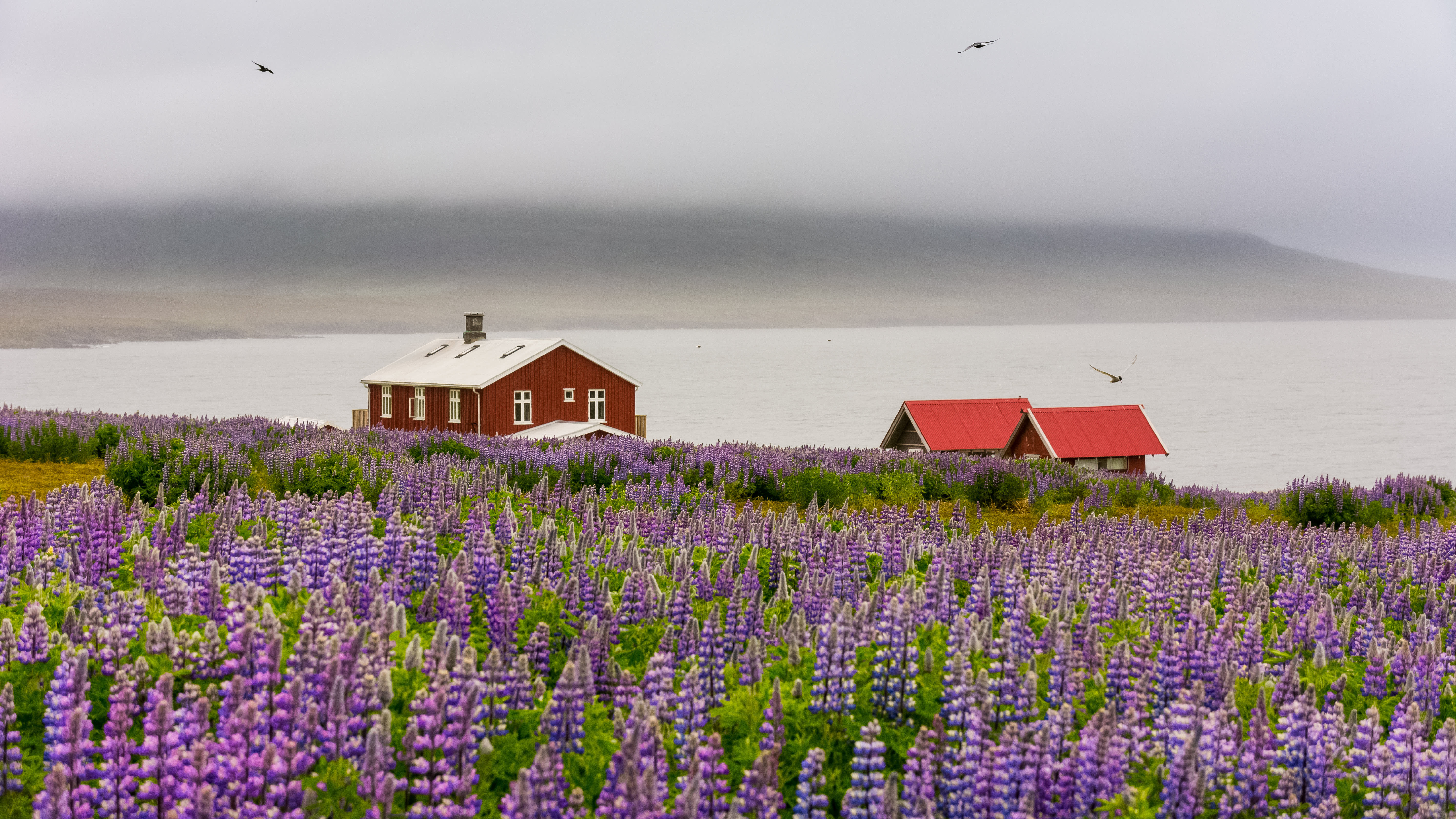
Situated around a long-abandoned farm east of Seyðisfjorður, Skálanes Nature Reserve is known for its lush flora. Fields of lupines stretch as far as the eye can see. The towering cliffs dominating the horizon provide nesting habitat for 40 bird species. Reindeer and foxes inhabit the surrounding meadows. The farm also functions as a hub for education, environmental research, and historical exploration of Iceland’s past.
South Iceland
-
Djupivogur and Vatnajokull Glacier
Djupivogur is situated where east and south Iceland meet. The rugged yet verdant topography of the east gives way to the gentler forelands of the south, which ultimately rise to the glacier-covered summit of Vatnajokull, the famous ice cap of Iceland situated amongst its tallest peaks, including 2,100 meter (6,890 feet) Hvannadalshnukur. Although Djupivogur has the infrastructure to welcome ships like the Ultramarine, it is a small community surrounded by mountain peaks. Similar to Skalenes and Seydisfjordur, these mountains are rich with green vegetation, and the rocky outcroppings, dustings of snowfields near the summits, and ubiquitous waterfalls make for landscapes that we won’t want to leave. We will explore the regions west of here, accessing them via coach. The waters along the south coast are quite unlike those in the rest of the country, in that they are inaccessibly shallow with inhospitable and persistent rough surf conditions. Not to be deterred, we will transfer from the harbor at Djupivogur via coach to Vatnajökull National Park, with its abundance of glaciers, volcanoes, waterfalls and geothermal springs. Plentiful activities await us in the park: we’ll travel to Jökulsárlón Glacier Lagoon, a stunning glacial lake; explore the spectacular icebergs at Jökulsárlón; spend time at black sand Diamond Beach; and provide opportunities for hikes along this otherworldly coastline.
The Westman Islands
-
Eldfell Volcano, Heimaey Island
Eldfell Volcano has become the main attraction of Heimaey Island, which is the largest in the Westman archipelago, also known as Vestmannaeyjar. Follow a scenic hiking trail for 45 to 60 minutes to the summit for a fantastic panoramic view. With gravity on your side, you can hike down in about 30 minutes. The trail is steep in places but not difficult. The views from the top are worth the effort. Bring your water bottle.
-
Herjolfsdalur
Herjolfsdalur is a lush valley in The Westman Islands and is celebrated for its rich Viking history that dates back over a millennium. Archeologists in the 20th century undertook excavation expeditions which provided evidence of Viking activity at Herjolfsdalur and Heimaey. Important artifacts include ruins and traces of traditional houses and sheds.
Your Life Onboard
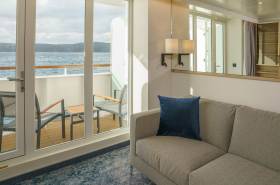
This is polar exploration at its finest. Our ships are intimate, luxurious floating hotels, packed with exciting experiences.


Enjoy panoramic views while you mingle in our comfy lounges, or head outside and chat with fellow adventurers on the wraparound deck. Our social spaces foster connections & shared experiences.

Engage with world-class experts in our auditorium. Presentations cover wildlife, history, marine biology, ecology, & geology, to enhance your polar knowledge & excitement for exploration.

Enjoy onboard amenities, attend lectures, or watch for wildlife from our observation decks. Sea days offer a perfect blend of education, relaxation, and anticipation.

Find tranquility in our well-stocked library, perfect for reading or quiet contemplation. The glass-domed Observation Lounge offers a peaceful retreat to reflect & enjoy awe-inspiring polar views.

Prepare for off-ship excursions in our spacious mudroom. Kayak, paddleboard, or take a plunge in polar waters. Stay active onboard with our gym, outdoor track, and pool facilities.


Know Before You Go
For your personal safety—and to ensure you get the most enjoyment out of your polar adventure—please assess your mobility and medical requirements before booking. It is essential that guests have a high level of mobility to get in and out of Zodiac boats, and for off-ship activities such as hiking on uneven terrain. Our destinations are remote. Apart from our basic ship infirmary, it could take up to 72 hours to reach adequate medical facilities. For more details to help you assess your mobility and medical requirements before booking your voyage, please review Health & Safety.
Some of our expeditions have included transfers and these will be detailed in your Invoice and Trip Brochure.
Please note that if you have an airport transfer included in your trip, it is only available if you arrive on Day 1 of the itinerary. Please ensure your flight information on your Passenger Forms is up to date so our ground crew know when to expect you. There will be someone with a sign in Arrivals waiting for you. Please look for them and they will direct you to our group shuttle.
If you do not have included transfers, or you are arriving before Day 1, you will need to make your own way to the hotel. Most airports we travel in and out of have good taxi ranks in the Arrivals area, or you can often prebook a transfer online.
Packing is an exciting part of the trip for many of us. You will find a handy packing list towards the end of your Trip Brochure. You will have received a copy of this when you first booked. We also have two excellent videos, which you can check out here: What to Pack
Our Protection Promise allows you to make a purchase decision that will leave you worry-free in the event your plans change down the road. Please review details for each term in our Quark Expeditions Protection Promise.
Whether you are thinking of an expedition, or you’ve booked the trip of a lifetime with Quark Expeditions, review all our FAQs for comprehensive tips to help you prepare for the Polar Regions and how to make the most out of your voyage with the most experienced expedition team in the industry. If your specific question isn’t covered below, please reach out to your Polar Travel Advisor or helpful Client Experience Team at guest@quarkexpeditions.com.