



Antarctic

8 mins read
Ushuaia: The True Gateway to Antarctica
Key Takeaways Ushuaia: Where the World Ends and Adventure Begins There are destinations you visit, and then there are places that redefine what travel means. Ushuaia is firmly in the second category. Perched at the southern tip of Argentina, this windswept town feels like the last outpost of civilization. Snow-dusted peaks rise behind it, icy waters stretch endlessly ahead, and somewhere beyond the horizon lies Antarctica. It’s no surprise Ushuaia has earned the nickname “The End of the World.” But once you’re here, you realize it’s not the end at all. It’s the beginning of something extraordinary—your journey to Earth’s most remote continent. For anyone dreaming of Antarctic expeditions, Ushuaia isn’t optional. It’s essential. This is the closest port city to the White Continent, making it the most efficient and iconic gateway to Antarctica for expedition travelers worldwide. The Ultimate Departure Point for Antarctic Expeditions Everything here revolves around exploration. Expedition ships line the harbor, seasoned guides move through the streets, and travelers from across the globe gather with the same goal: to go further than most people ever will. But before you step onto a ship bound for Antarctic expeditions, give yourself time. Because Ushuaia isn’t just a gateway—it’s an unforgettable destination in its own right. The town has a way of preparing you, not just logistically, but mentally and emotionally. You arrive as a traveler. Within days, you think like an explorer. Why Ushuaia Matters for Your Antarctic Journey The Beagle Channel, which separates Ushuaia from Chile, is a historic waterway that offers both practical advantages and profound psychological preparation. Standing on these shores, you begin to understand the scale […]
Read Post

7 mins read
Punta Arenas: Gateway to Antarctic Expeditions
Read Post

5 mins read
Flying vs Sailing the Drake Passage: Your Antarctic Expedition Crossing Guide
Read Post
9 mins read
Eight Days in Antarctica: A Team Member's First Encounter
Read Post

5 mins read
The Science of Snow Hill: Why Sea Ice Holds the Key to Discovery
Read Post

5 mins read
Explore South Georgia, the Galápagos of the Southern Ocean
Read Post

4 mins read
Torres del Paine: A Trekker’s Paradise in the Heart of Patagonia
Read Post
5 mins read
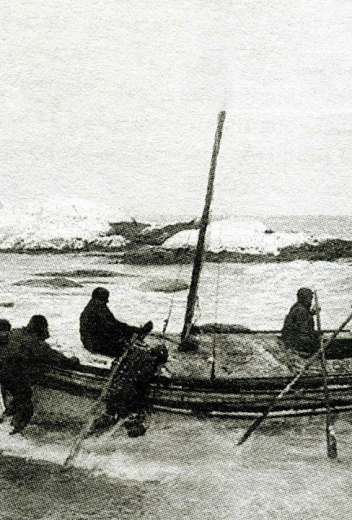
Tracing Shackleton’s Footsteps: The Historic Weddell Sea Connection
Read Post

5 mins read
Navigating the Weddell Sea on an Icebreaker
Read Post

5 mins read
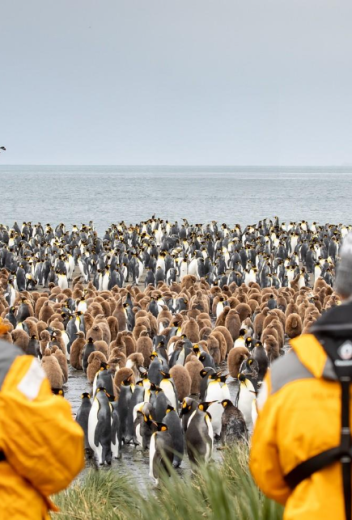
Discover the Untold Stories of the Falkland Islands
Read Post
4 mins read
The Ultimate Birdwatcher’s Paradise: Falkland Islands & South Georgia
Read Post
4 mins read
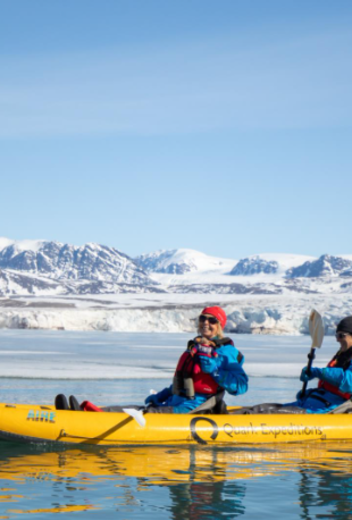
Polar Trips Filled with Active Off-ship Adventures
Read Post

4 mins read
The Power of Solitude and Self-Reflection in the Polar Regions
Read Post

4 mins read
Iceberg Photography Tips from Expedition Experts
Read Post

4 mins read
Crossing the Drake: What First-Time Antarctic Travelers Need to Know
Read Post

5 mins read
Solo Travel to the Polar Regions: Why It’s Trending in 2025
Read Post

5 mins read
Polar Travel Trends for 2025: Why More Adventurers Are Choosing Arctic and Antarctic Cruises
Read Post

1 min read
Antarctic Season 2026/2027 Launch – New Adventures: Whales, Camping & Science
Read Post

1 min read
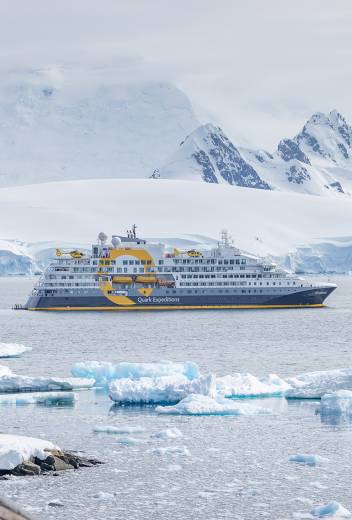
What’s So Cool About Late-Season Antarctica
Read Post
1 min read
What’s So Cool About Early Season Antarctica
Read Post

1 min read
Triple Bonus Event
Read Post

1 min read
Snow Hill to the Peninsula: Shackleton’s Emperors webinar, with photographer and guide Paul Goldstein.
Read Post

7 mins read
Wildlife Guide: Adélie Penguin Facts
Read Post
7 mins read
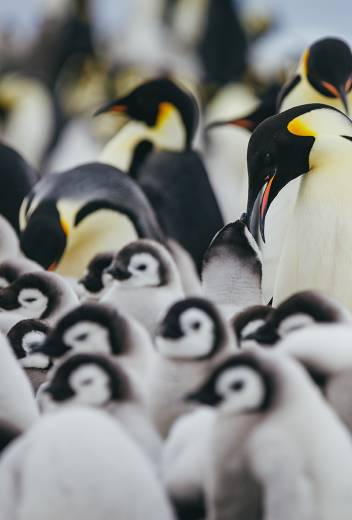
Wildlife Guide: Emperor Penguin Facts
Read Post