


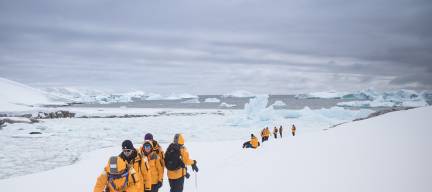
Across the North Atlantic, small island societies are drawing new attention – not because they’ve changed, but because the rest of the world has. As travelers look beyond crowded cities toward places with deeper cultural roots and lighter footprints, the Faroe Islands stand out. Positioned between Iceland and Norway, these wind-sculpted islands offer a rare mix of living tradition, modern sustainability, and warm hospitality. For many travelers discovering the Faroes through Quark Expeditions or a broader Arctic expedition, this moment feels especially meaningful.
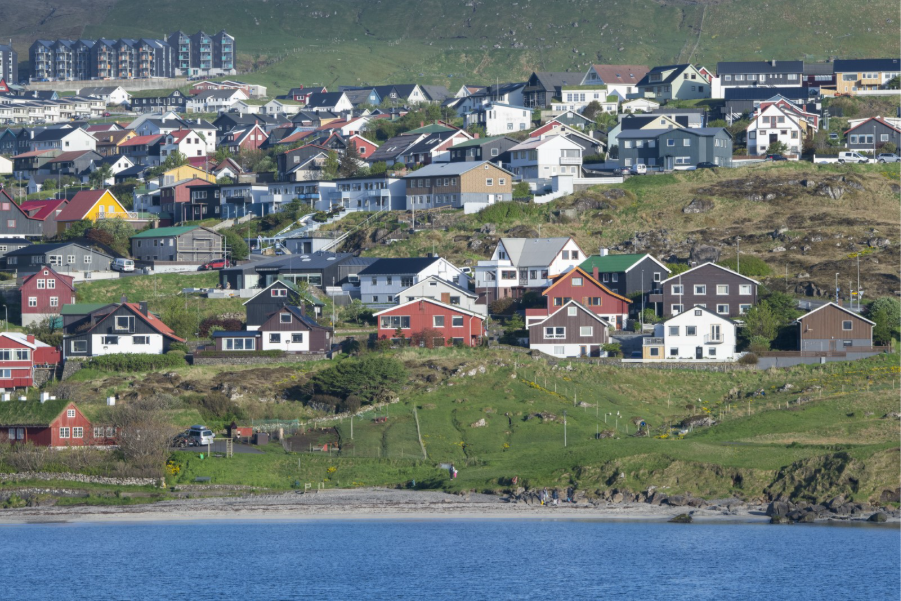
Why now is the time to visit the Faroes
Climate researchers have noted longer navigable seasons in the North Atlantic, while local Faroese communities have doubled down on conservation-led tourism. Rather than scaling up infrastructure, the islands emphasize small-group visits, seasonal access, and community partnerships. For visitors, that means authentic encounters—without overwhelming the places or people they’ve come to experience.
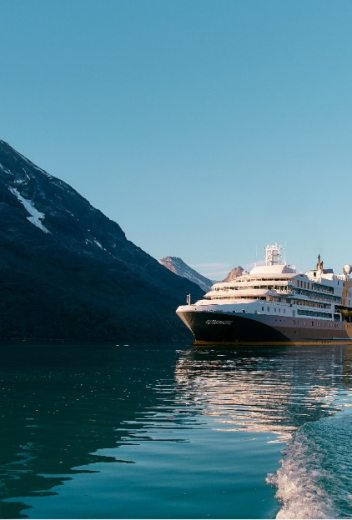
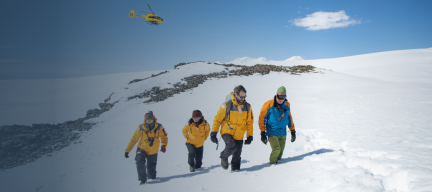
A polar cruise or expedition-style journey fits naturally into this philosophy. Ships move with the weather, visit smaller ports, and perform shore landings, allowing travelers to step into daily island life rather than observe it from a distance.
Life on the edge of the Atlantic
A culture shaped by nature
Faroese traditions are inseparable from the sea and the land. Sheep outnumber people, turf-roofed homes blend into hillsides, and centuries-old chain dancing is still performed during local gatherings. Storytelling, music, and shared meals remain central to community life—especially during summer, when daylight stretches late into the evening.
Sustainability as a way of life
Long before sustainability became a buzzword, the Faroes practiced it out of necessity. Food is locally sourced, energy increasingly comes from wind and water, and tourism is carefully managed. Visitors often remark on how seamlessly modern life coexists with heritage—something best understood during a guided polar shore excursion that connects travelers with local hosts.
Tórshavn: small capital, big character
The world’s smallest capital city doesn’t try to impress—it simply invites you in. Tórshavn is compact, walkable, and deeply personal.
Recommended experiences in and around Tórshavn:
- Tinganes: The historic old town with red-painted buildings and grass roofs, still home to government offices.
- Local cuisine: Seasonal seafood, fermented lamb, and contemporary Nordic interpretations served in intimate restaurants.
- Harbor walks: Conversations with fishermen, artists, and shop owners reveal how global awareness meets island pride.
These encounters are often woven into expedition itineraries, offering cultural depth alongside dramatic landscapes.
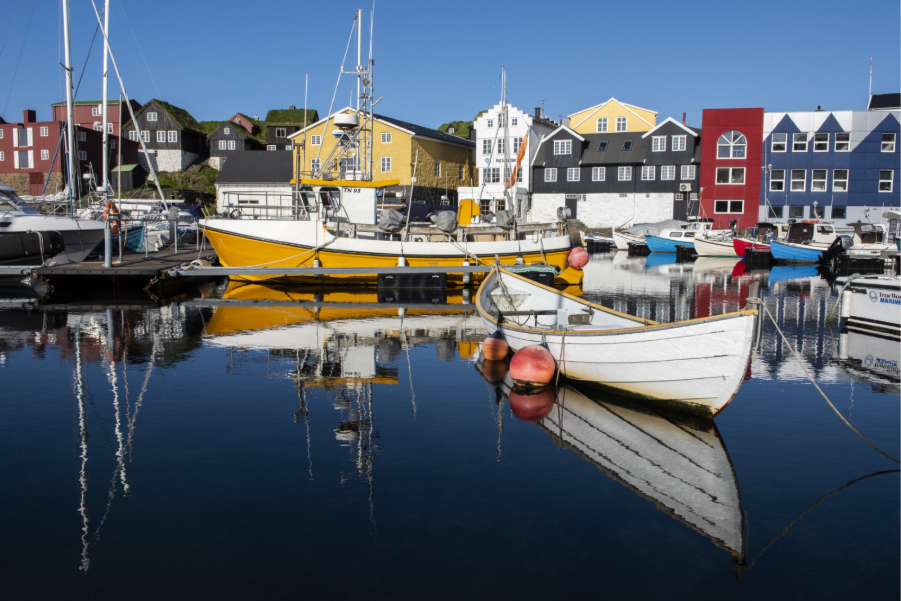
Why an expedition cruise unlocks these encounters
Reaching the Faroes independently can be limiting, especially for travelers seeking both culture and remote scenery. An expedition voyage provides flexibility, expert interpretation, and access to smaller harbors that large ships can’t reach. When paired with destinations like Spitsbergen, Faroes and Jan Mayen, the cultural contrasts become even more striking, moving from High Arctic wilderness to vibrant island communities within a single journey.
For travelers curious about how Arctic exploration and cultural immersion combine, itineraries such as the Svalbard Explorer: Best of High Arctic Norway illustrate how expedition travel balances nature, learning, and local connection:
👉 https://www.quarkexpeditions.com/expeditions/svalbard-explorer-best-of-high-arctic-norway
Seasonal planning insights and regional context are also available here:
👉 https://www.quarkexpeditions.com/arctic/new-season
What travelers can expect ashore
While wildlife and scenery often headline Arctic journeys, the Faroes leave a different impression—one rooted in people.
- Community-led visits: Small groups meet local guides, artisans, and historians.
- Cultural storytelling: From Viking-era legends to modern island identity.
- Everyday moments: Schoolchildren cycling home, boats unloading their catch, neighbors gathering for coffee.
These experiences ground the journey, reminding travelers that the Arctic isn’t empty—it’s lived in.
The broader Arctic perspective
As the voyage continues north or south, travelers often reflect on how island culture contrasts with the stark landscapes of Spitsbergen or the volcanic isolation of Jan Mayen. This balance between human presence and raw nature defines a true Arctic expedition, where understanding place is just as important as seeing it.
Another route that blends culture with dramatic terrain is the Iceland Circumnavigation: Mountains, Volcanoes and Waterfalls journey, offering a different but complementary North Atlantic perspective:
👉 https://www.quarkexpeditions.com/expeditions/iceland-circumnavigation-mountains-volcanoes-and-waterfalls
For those exploring longer-term Arctic travel possibilities, destination overviews and planning resources can be found here:
👉 https://www.quarkexpeditions.com/arctic