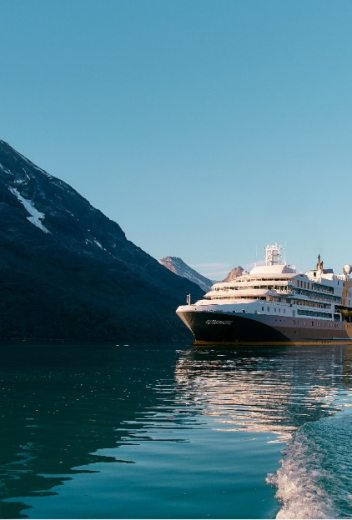



In the far north, timing is everything. Each Arctic summer, a narrow window opens when sea ice loosens, fjords become navigable, and life returns to the water’s edge. For travelers tracking the evolution of the High Arctic, this is one of the most compelling moments to explore Isbukta—a remote bay in southern Spitsbergen where glaciers, icebergs, and wildlife converge. Journeys led by Quark Expeditions and designed around a true Arctic expedition model offer rare access to this dynamic landscape, shaped as much by movement as by stillness.
Isbukta doesn’t appear on postcards or bucket-list checklists. Its appeal lies in contrast: fractured ice beside calm water, massive glaciers spilling into sheltered bays, and sudden encounters with animals adapted to one of the planet’s harshest environments.
Why now is the time to visit
Researchers monitoring Svalbard’s southern fjords note longer seasonal access driven by shifting sea-ice patterns and extended daylight. While this underscores the importance of conservation, it also allows carefully managed expedition travel to reach places that were once locked away behind dense ice.
For travelers, this moment offers both opportunity and responsibility. Visiting Isbukta today provides insight into how Arctic ice behaves under changing conditions—how it calves, drifts, and reforms—while experienced guides help contextualize what you’re seeing through a scientific and environmental lens.
A landscape carved by ice and water
Glaciers at close range
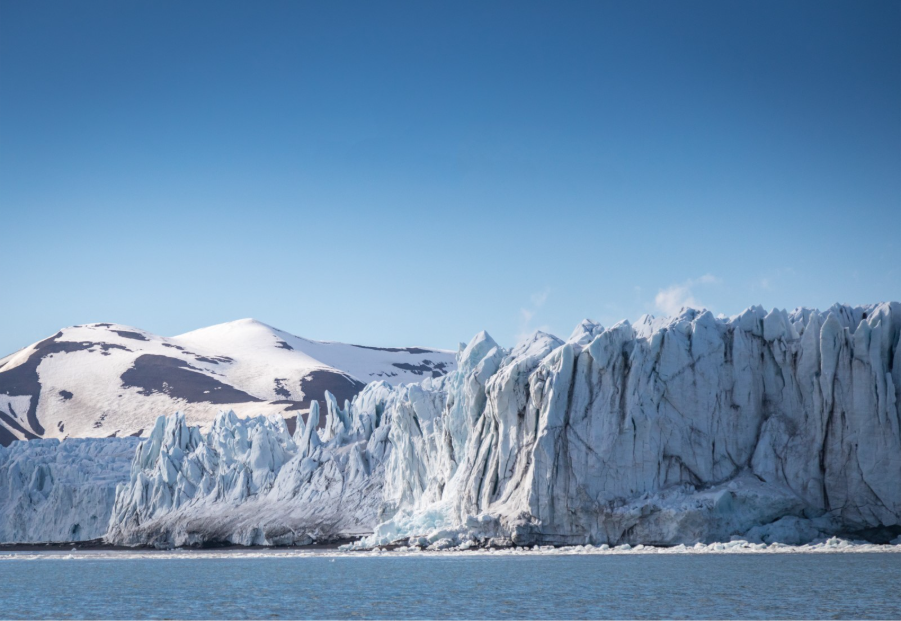
Isbukta’s tidewater glaciers descend directly into the bay, releasing icebergs that vary from compact blue shards to sprawling, table-like forms. Approaching by Zodiac brings travelers close enough to hear ice crack and watch meltwater streams ripple across the surface. These moments are quiet, immersive, and entirely dependent on local conditions.
Ice in constant motion
Unlike static viewpoints, Isbukta is always changing. Wind, currents, and temperature shifts rearrange the bay daily. This living quality makes it one of the most engaging places to witness Arctic ice in action rather than as a distant backdrop.

Wildlife encounters shaped by the sea
Southern Spitsbergen is known for biological diversity concentrated along ice edges and fjords. In Isbukta, nutrient-rich waters attract seals and whales, while seabirds trace looping patterns overhead. Spotting polar wildlife here often feels organic, animals appear without fanfare, moving through their routines largely unaffected by a quiet, respectful presence.
This is where the experience differs from a traditional wildlife cruise. Instead of following a fixed route, expedition ships adjust plans to maximize sightings while minimizing disturbance, guided by real-time observations and local expertise.
Exploring beyond the ship
Zodiac cruising and shore access
Small inflatable boats allow travelers to navigate tight spaces between icebergs and glacier fronts. This close-up perspective reveals texture and scale that’s impossible to grasp from a larger vessel.
Optional sea-level adventures
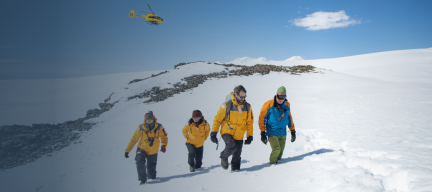
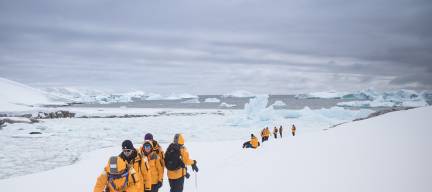
When conditions allow, sea kayaking offers a slower, more personal way to experience Isbukta. Paddling across glassy water, surrounded by ice and mountain walls, heightens awareness of sound, movement, and light. For those who prefer land, tundra hikes reveal resilient plant life and sweeping views back across the bay.
One itinerary that may include Isbukta as part of a broader Svalbard journey is the Spitsbergen Circumnavigation: A Rite of Passage:
👉 https://www.quarkexpeditions.com/expeditions/spitsbergen-circumnavigation-rite-of-passage
Seasonal planning details and expedition timing are outlined here:
👉 https://www.quarkexpeditions.com/arctic/new-season

Why a polar expedition makes the difference
There are no roads, ports, or facilities in Isbukta. Access depends on ice, weather, and skilled navigation. Expedition vessels are designed to adapt—changing course, timing landings precisely, and prioritizing safety and environmental care.
This flexibility defines a successful Arctic expedition. Instead of promising specific moments, it promises readiness: the ability to respond when conditions align and nature offers an opening.
What travelers often remember most
Beyond scenery, Isbukta leaves an emotional imprint. Travelers often describe:
- The stillness between the sound of calving ice
- Unexpected whale sightings at close range
- The scale of glaciers viewed from water level
- Shared moments of quiet reflection
Encounters with polar wildlife feel less like highlights and more like privileges—brief windows into a world that operates on its own rhythm.
Connecting Isbukta to the wider Arctic
Experiencing Isbukta often sparks curiosity about how southern Spitsbergen fits into the broader Arctic system. Currents that carry ice through this bay also influence ecosystems far beyond Svalbard. Seeing that connection firsthand deepens understanding of why responsible travel matters.
For travelers interested in longer routes that link multiple Arctic regions, the Arctic Saga: Exploring Spitsbergen, the Faroes and Jan Mayen expedition provides a wider geographic perspective:
👉 https://www.quarkexpeditions.com/expeditions/arctic-saga-exploring-spitsbergen-the-faroes-and-jan-mayen
A broader overview of Arctic destinations and voyage styles can be found here:
👉 https://www.quarkexpeditions.com/arctic
It’s often in the second half of a journey—after initial excitement settles—that travelers reflect on how a place like Isbukta reshapes their understanding of scale, time, and movement in the Arctic.
A place defined by access and restraint
Isbukta is not guaranteed on any itinerary. Ice can close in. Weather can shift. That uncertainty is central to its appeal. Reaching it requires patience, experience, and respect for the environment.
Those who do arrive often find the experience quietly transformative. We at Quark Expeditions, with our seasoned polar professionals ensures that travelers don’t just pass through Isbukta—they learn to observe it.
In an age of instant access, places like this remind us that the most meaningful journeys still depend on nature’s permission.