



Wildlife
5 mins read
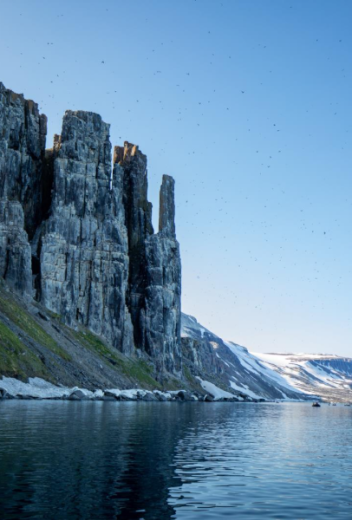
Alkefjellet: The Steep Seabird Cliffs
Every summer, a brief biological window opens high above the Arctic Circle. Sea ice pulls back just enough, daylight stretches nearly around the clock, and remote coastlines come alive with sound and motion. For travelers following developments in Arctic travel, this short season represents one of the most extraordinary opportunities on the planet: witnessing Alkefjellet, a towering cliff system in Svalbard that hosts one of the largest seabird colonies in the High Arctic. Experiences like this are why Quark Expeditions has become closely associated with modern expedition-style exploration—quiet access, expert interpretation, and places few ever reach. Why this moment matters for travelers Arctic scientists have observed that seasonal ice conditions now allow limited, carefully managed access to areas that were once unreachable except by research vessels. Alkefjellet sits along a narrow fjord system where geology, ocean currents, and wildlife intersect. Timing is critical: seabirds arrive to nest, predators patrol the cliffs, and nutrient-rich waters support a sudden explosion of life. Outside this window, the area is largely silent and inaccessible. This is where expedition cruising becomes essential. A small, maneuverable ship can adapt to weather, ice, and wildlife activity—something fixed itineraries or land-based travel simply can’t offer. For travelers interested in meaningful Arctic travel, flexibility is the difference between seeing a place and truly experiencing it. What makes Alkefjellet so rare? A cathedral of stone and wings Alkefjellet rises abruptly from the water, its basalt pillars shaped by ancient volcanic forces. These vertical walls are home to tens of thousands of Brünnich’s guillemots, an iconic Arctic seabird species that nests shoulder to shoulder along narrow ledges. The sheer density of life is overwhelming—sound echoes off the rock, and the air fills with constant motion as birds commute between nest and sea. […]
Read Post
4 mins read
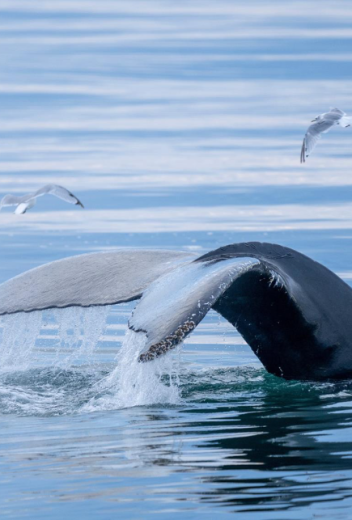
Whales of the High Arctic: Species You’ll Encounter in Svalbard
Read Post

4 mins read
Polar Bear Viewing Ethics and New Distance Rules in Svalbard
Read Post

4 mins read
Bird Migration Stories: Barnacle Geese in Svalbard
Read Post

1 min read
Antarctic Season 2026/2027 Launch – New Adventures: Whales, Camping & Science
Read Post
3 mins read
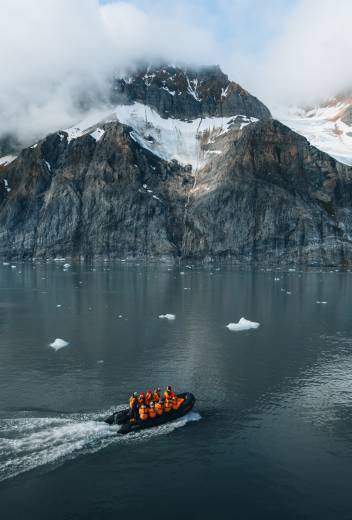
Polar Bears, Glaciers, and Beyond: The Top Wildlife and Adventure Experiences in Svalbard
Read Post
4 mins read
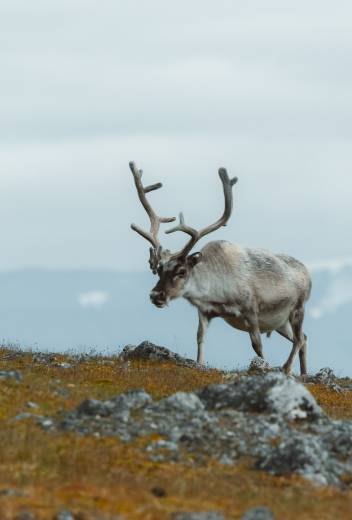
Unveiling Svalbard: A Comprehensive Guide to Arctic Expeditions and Wildlife Encounters
Read Post
1 min read
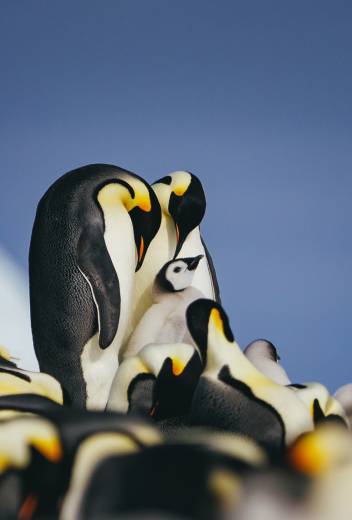
Snow Hill to the Peninsula: Shackleton’s Emperors webinar, with photographer and guide Paul Goldstein.
Read Post

1 min read
Canadian Arctic Discovery: Where History, Wildlife and Community Converge
Read Post

7 mins read
Wildlife Guide: Adélie Penguin Facts
Read Post
7 mins read
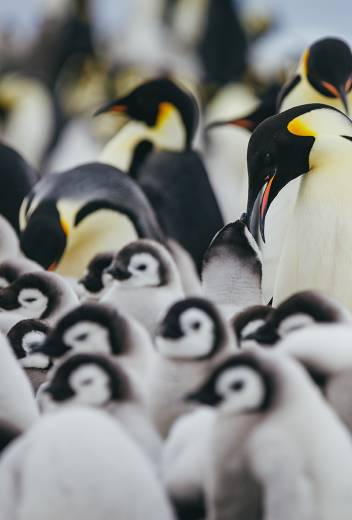
Wildlife Guide: Emperor Penguin Facts
Read Post

6 mins read
Wildlife Guide: Cormorant Facts
Read Post
6 mins read
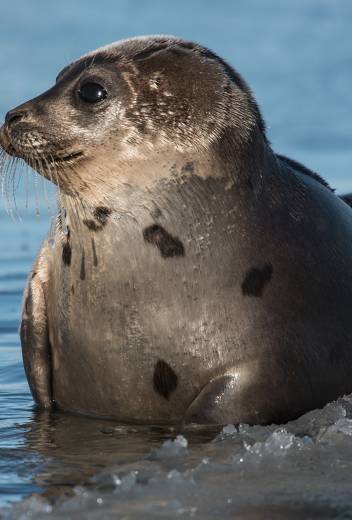
Wildlife Guide: Harp Seal Facts
Read Post

5 mins read
Wildlife Guide: Minke Whale Facts
Read Post
7 mins read
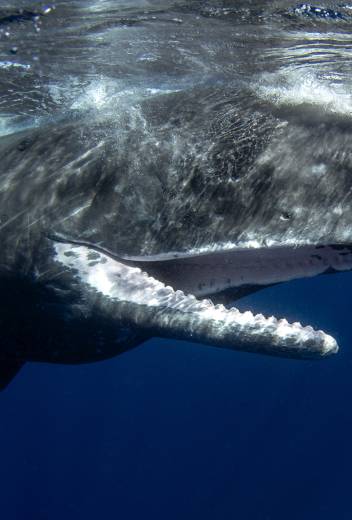
Wildlife Guide: Sperm Whale Facts
Read Post
5 mins read
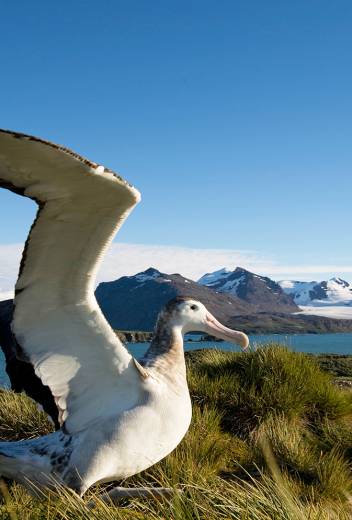
Wildlife Guide: Wandering Albatross Facts
Read Post

5 mins read
Wildlife Guide: King Penguin Facts
Read Post
5 mins read
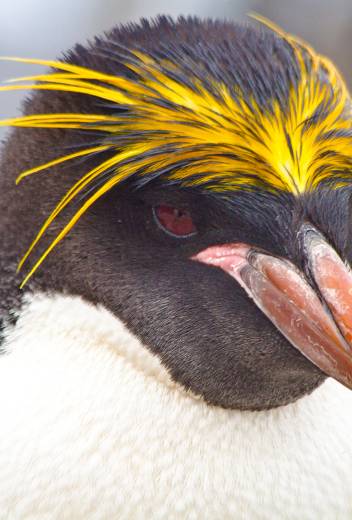
Wildlife Guide: Macaroni Penguin Facts
Read Post

4 mins read
Wildlife Guide: Ptarmigan Facts
Read Post

5 mins read
Where to See Polar Bears in Canada
Read Post
5 mins read
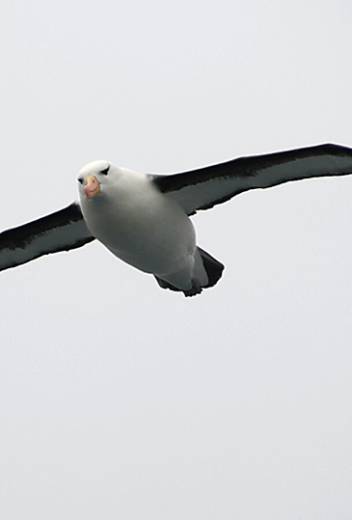
Helpful Guide to Bird Watching in Patagonia
Read Post

5 mins read
Best Place To See Penguins In The Wild
Read Post

4 mins read
Antarctic Wildlife Guide: Penguin Tours
Read Post
5 mins read
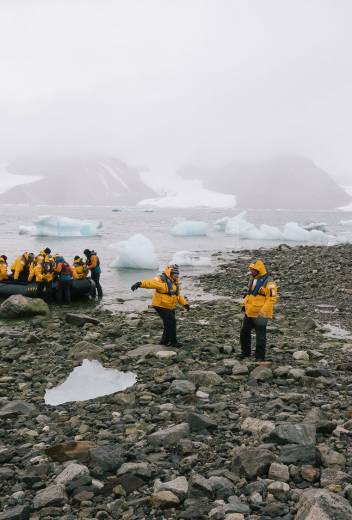
Ellesmere Island Wildlife & Travel Tips
Read Post