



Arctic

4 mins read
Narwhals of the High Arctic: Setting the Record Straight on the Ocean's Most Elusive Whale
Every August, as pack ice loosens its grip along Nunavut’s eastern coastline, open leads form between the floes and narwhals move into shallow bays to feed. The window is narrow. Within weeks, freeze-up begins again and the whales retreat to deeper water. It’s one of the shortest, most weather-dependent viewing opportunities in the Arctic, and it’s exactly the kind of moment Quark Expeditions builds its Canadian High Arctic itineraries around, timing voyages through Lancaster Sound and the Northwest Passage when narwhal activity typically peaks. The Tusk Isn’t What Most People Think Ask most travelers for narwhal facts and the tusk comes up first, usually with a myth attached. It is not a jousting weapon, and males rarely use it in combat. The tusk is an elongated left canine tooth that can grow to roughly 2 to 3 metres, spiraling counter-clockwise, and it is embedded with millions of nerve endings. Researchers, including teams affiliated with NOAA Fisheries, have documented tusks responding to changes in water salinity, suggesting a sensory role rather than a purely combative one. Some encounters do involve males crossing tusks at the surface, but marine biologists increasingly read this as a form of communication, not conflict. Where Do Narwhals Live, and Why Sightings Stay Rare Narwhals are among the most habitat-specific whales on Earth. They spend the bulk of the year in the icy waters of Baffin Bay and Davis Strait, diving to significant depths to feed on Greenland halibut and Arctic cod, then migrate into the fjords and inlets of the Canadian […]
Read Post
6 mins read
High Arctic vs Low Arctic: What's the Difference?
Read Post

7 mins read
Greenlandic Food Culture: The Ingredients Behind Every Quark Expedition Meal
Read Post
7 mins read
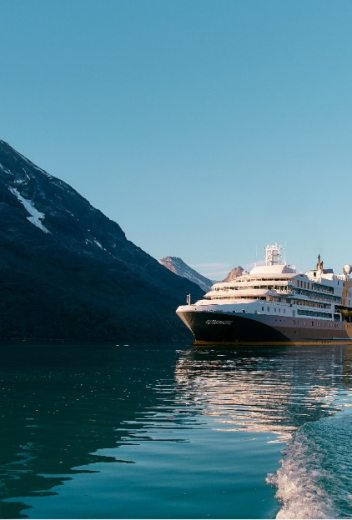
Disko Bay, Greenland: Why This Stretch of Coast Is Called Iceberg Alley
Read Post

5 mins read
Arctic Foxes and Musk Oxen: Life on the Tundra's Edge
Read Post

9 mins read
Chasing The Eclipse: Behind the Scenes of an Epic Greenlandic Voyage
Read Post

5 mins read
The Lilliehöök Glacier: A Frozen Giant Shaped by Millennia of Arctic Ice
Read Post

5 mins read
Isbukta: Glaciers, Icebergs and Kayaking Adventures in Southern Spitsbergen
Read Post
5 mins read
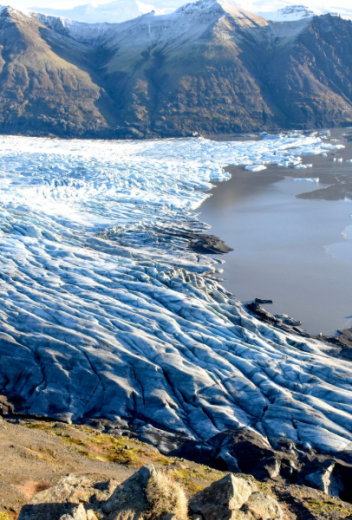
Iceland’s National Parks by Sea: Vatnajökull to Snæfellsnes Peninsula
Read Post
4 mins read
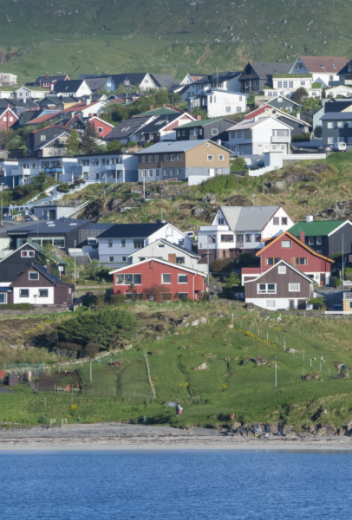
Cultural Encounters in the Faroes: Local Traditions, Food, and Island Communities
Read Post
5 mins read
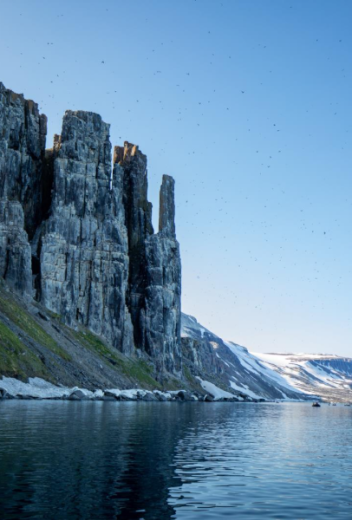
Alkefjellet: The Steep Seabird Cliffs
Read Post
5 mins read
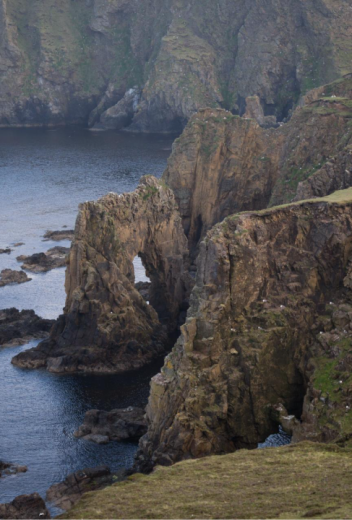
Fair Isle: The Ultimate Hidden Gem for Viking History and Seabird Lovers
Read Post
5 mins read
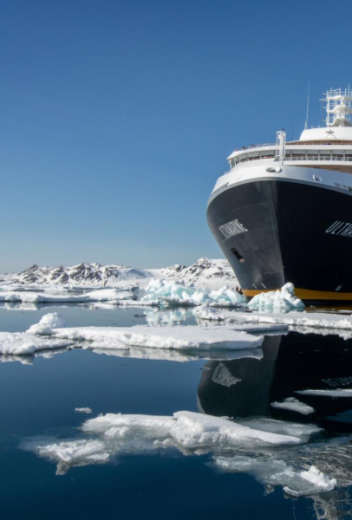
Walking in the Footsteps of the Norse: Sailing Ancient Viking Routes Today
Read Post
5 mins read
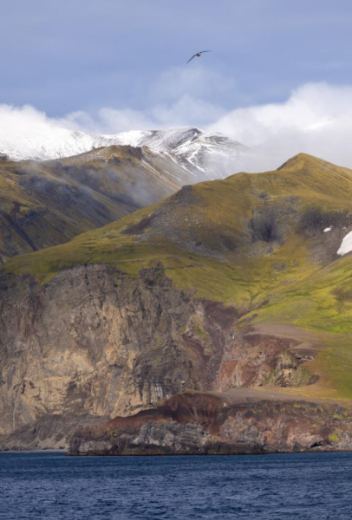
Jan Mayen: The Remote Volcanic Island Most Travelers Will Never Step Foot On
Read Post

4 mins read
The Lesser-Known Westfjords and Remote East Iceland: Hidden Gems on the Voyage
Read Post
5 mins read
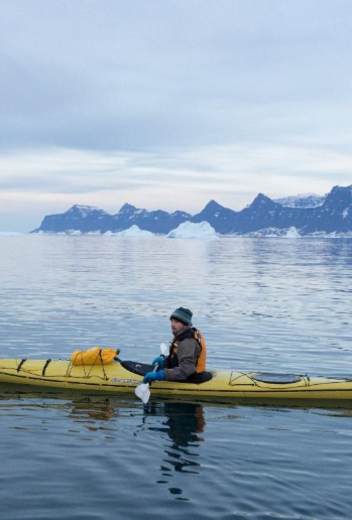
Kayaking Among Icebergs: A Bucket List Experience in Greenland
Read Post

4 mins read
What It’s Like to Sail Across the North Atlantic to the Arctic
Read Post
4 mins read
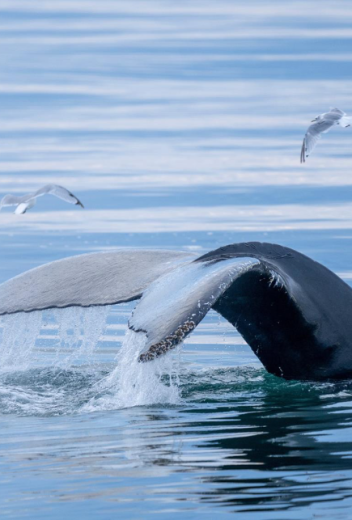
Whales of the High Arctic: Species You’ll Encounter in Svalbard
Read Post
4 mins read
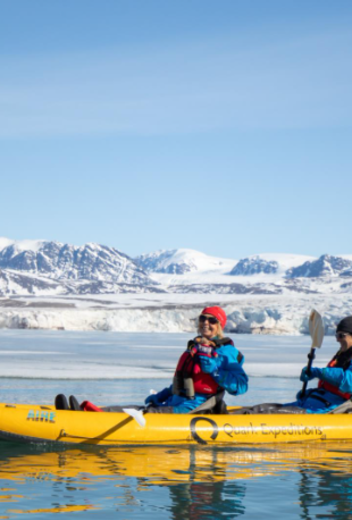
Polar Trips Filled with Active Off-ship Adventures
Read Post
4 mins read
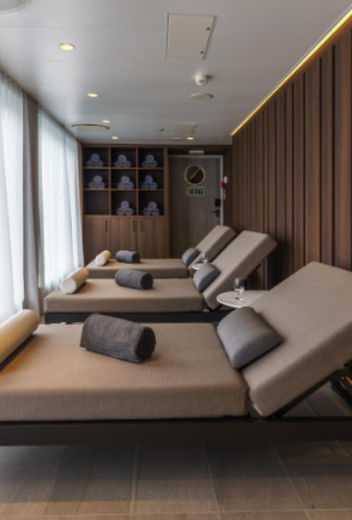
Practicing Wellness on an Arctic Expedition
Read Post

4 mins read
Polar Bear Viewing Ethics and New Distance Rules in Svalbard
Read Post

4 mins read
The Power of Solitude and Self-Reflection in the Polar Regions
Read Post

4 mins read
Iceberg Photography Tips from Expedition Experts
Read Post

4 mins read
Bird Migration Stories: Barnacle Geese in Svalbard
Read Post