




featured – 7 min read
How to choose between the Arctic and Antarctic for your Polar Voyage
Antarctic
See All
11 mins read
8 Days in Antarctica – The Journey of a Lifetime
After a month of research, a few dozen phone calls, and hours spent with AI engines, I finally decided to go on the most extreme adventure of my life. I was going to travel to the 7th Continent. Antarctica is known by a series of names meant to scare you like The Frozen Desert, White Continent, End of the World, Southernmost Tip of The Earth and so on. Plus, the thought to visit it invited a lot of logistical and expert guidance, especially when it comes to the options of reaching the white continent. This put me in a fix, and I hit the search engines and AI tools once again. As this was going to be my first cruise journey, I was inclined to fly the Drake Passage (one of the most infamous sea paths in the world, known for extreme weather conditions) but also feared I might miss out on a once in a lifetime experience. I knew that the choice wasn’t going to be easy for me, but thanks to Quark Expeditions, I came across an option which I felt was curated for me. It was Antarctic Express: Fly South, Sail North voyage on Ocean Explorer (one of the most advanced hybrid ships sailing between South America & Antarctica.) I thanked myself for choosing this option as it headed directly from Punta Arenas to King George Islands in Antarctica via a charter flight where our ship, Ocean Explorer greeted us. We felt quite fresh as it was just a 2-hour flight from Punta Arenas to The Teniente Rodolfo Marsh Martin Airport. But let’s take a step back to our expedition day 1. Day 1: This day of the expedition felt like a warm hug. I traveled almost half of the world to reach Punta Arenas and needed rest. I checked-in at Dreams Hotel (which was included in the package) and treated myself to a warm bubble bath and a hot […]
Read Post

5 mins read
The Science of Snow Hill: Why Sea Ice Holds the Key to Discovery
Read Post

5 mins read
Explore South Georgia, the Galápagos of the Southern Ocean
Read Post

4 mins read
Torres del Paine: A Trekker’s Paradise in the Heart of Patagonia
Read Post
5 mins read
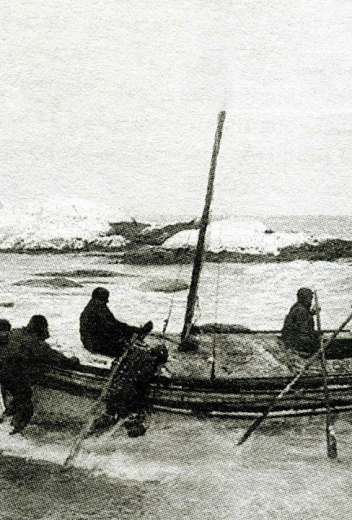
Tracing Shackleton’s Footsteps: The Historic Weddell Sea Connection
Read Post
Arctic
See All
5 mins read
The Lilliehöök Glacier: A Frozen Giant Shaped by Millennia of Arctic Ice
In the high Arctic, time moves differently. Glaciers advance and retreat over centuries, light lingers for months, and silence carries weight. Right now, scientists and explorers agree we’re living through a brief but important window—one where travelers can still witness vast tidewater glaciers up close, before continued warming reshapes them yet again. For those drawn to meaningful Arctic expedition travel, this is exactly why journeys with Quark Expeditions feel so timely. Tucked deep inside Krossfjorden on Spitsbergen’s west coast, the Lilliehöök Glacier stands as one of Svalbard’s most visually striking ice fronts. Stretching nearly seven miles wide, it rises like a frozen wall from the sea, releasing icebergs that drift silently through the fjord. Seeing it in person offers perspective—on scale, on climate, and on how deeply ice has shaped the Arctic world. Why this moment matters for travelers Glaciologists have documented measurable retreat across many Arctic glaciers over the past century, driven by warmer air and ocean temperatures. Yet places like Lilliehöök remain accessible for now, especially during the Arctic summer when sea ice loosens its grip and daylight allows safe navigation deep into fjords. This makes a well-planned Arctic expedition especially valuable. Unlike fixed land routes, expedition ships adapt to ice conditions and weather, giving travelers the best possible chance to reach glacier fronts at the right moment. For many, it’s not just about seeing ice—it’s about understanding change while the evidence is still visible. A glacier shaped by time From ancient ice to modern science The Lilliehöök Glacier formed over thousands of years as snow compacted into ice, flowing slowly from Spitsbergen’s interior toward the sea. Its dramatic face reveals compressed layers that tell a story of colder eras, volcanic ash deposits, and long-term […]
Read Post

5 mins read
Isbukta: Glaciers, Icebergs and Kayaking Adventures in Southern Spitsbergen
Read Post
5 mins read
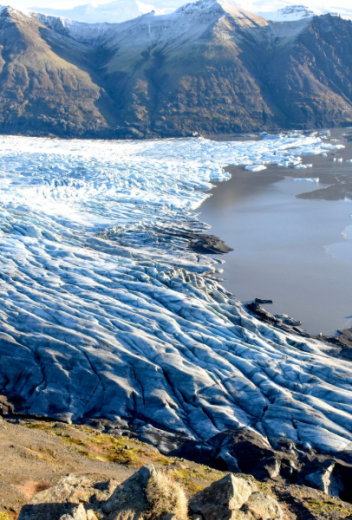
Iceland’s National Parks by Sea: Vatnajökull to Snæfellsnes Peninsula
Read Post
4 mins read
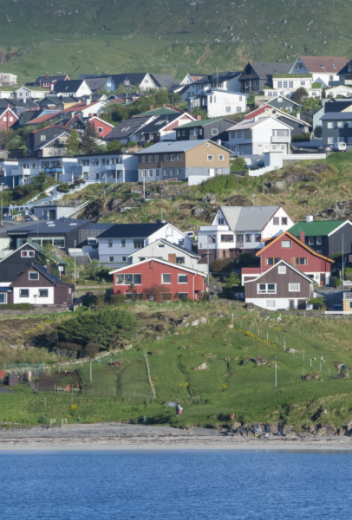
Cultural Encounters in the Faroes: Local Traditions, Food, and Island Communities
Read Post
5 mins read
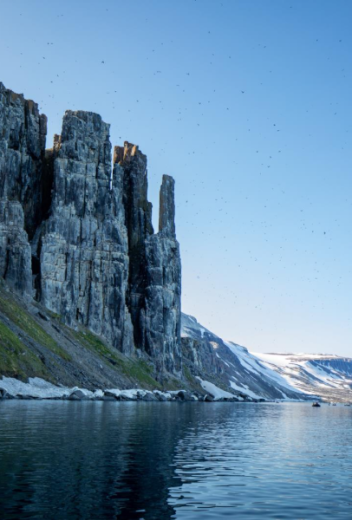
Alkefjellet: The Steep Seabird Cliffs
Read Post
Experiences
See All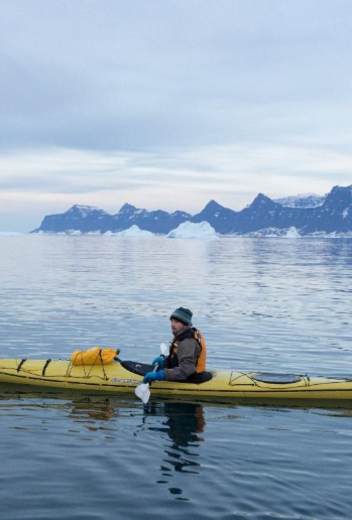
5 mins read
Kayaking Among Icebergs: A Bucket List Experience in Greenland
There’s a moment, somewhere between a paddle stroke and a heartbeat, when the world falls silent and all you hear is the gentle creak of shifting ice. That’s what it feels like to embark on an iceberg kayaking experience in Greenland. The air is crisp, the sea glassy and cold, and the icebergs around you tower like floating cathedrals. For those who crave authentic exploration, this is Arctic travel at its finest — a rare opportunity to experience this stunning part of the world from water level, where every ripple tells a story. We’ve guided travelers through Greenland’s labyrinth of fjords and coastal villages for decades, and each voyage reminds us that this land is alive in ways you can’t fully understand until you paddle through it yourself. If this calls to your sense of adventure, explore our Greenland to Newfoundland: Mountains, Wildlife and Viking History expedition or see our range of Arctic expeditions designed for explorers who prefer to travel beyond the familiar. The Rhythm of the Arctic Kayaking along Greenland’s coast is both peaceful and thrilling. The rhythm of paddling becomes almost meditative, broken only by the sound of ice cracking in the distance. Around you, monumental icebergs drift in shades of blue and white, sculpted by time and temperature. Some are the size of city blocks, others no larger than a cabin. As you glide closer, you notice the texture of the ice — intricate patterns that shimmer like glass in the polar sun. Every iceberg carries its own personality. Some tilt and roll, others hum quietly as trapped air escapes in soft hisses. These waters are where Arctic adventure […]
Read Post
4 mins read
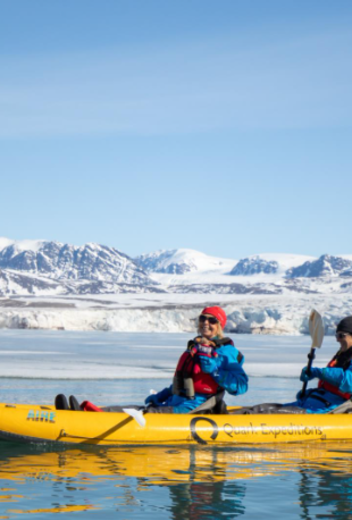
Polar Trips Filled with Active Off-ship Adventures
Read Post

4 mins read
Empower Your Inner Explorer: Why a Solo Polar Trip is the Ultimate Self-Discovery Journey
Read Post
4 mins read
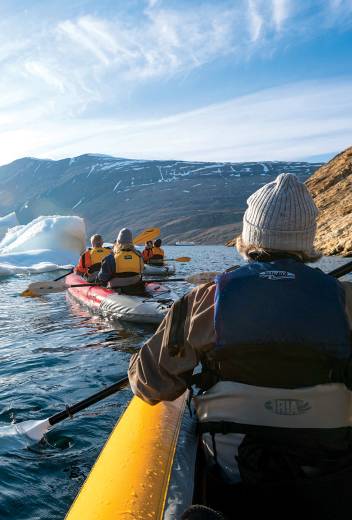
First Timer's Guide to Choosing Your Perfect Polar Adventure Activity
Read Post
9 mins read
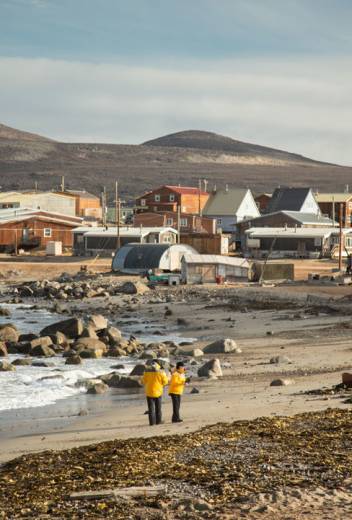
Arctic Communities: Understanding Their Connection to The Remote North
Read Post
Know Before You Go
See All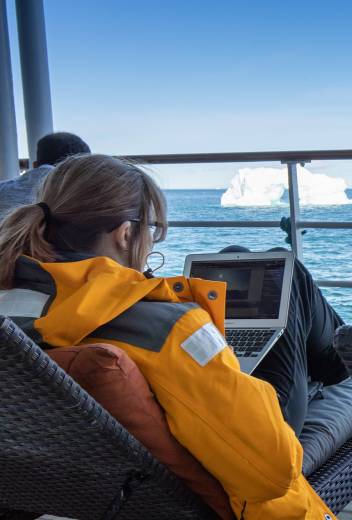
4 mins read
Raise a Glass and Stay Connected: Free Wi-Fi and Alcohol on Our Expedition Cruise Ships
Free Wi-Fi and alcohol on Quark Expeditions’ voyages includes beer, wine and cocktails, as well as basic Internet service while exploring the Arctic and Antarctic.
Read Post

8 mins read
Grytviken, South Georgia Travel Guide
Read Post
8 mins read
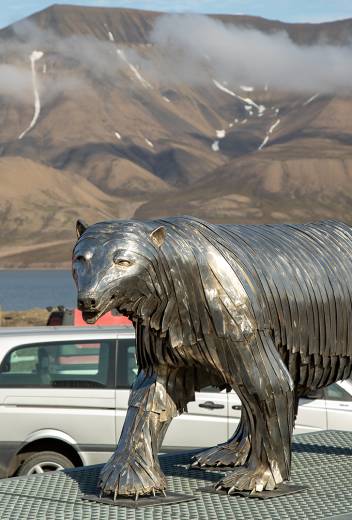
Best Time to Visit Longyearbyen
Read Post

11 mins read
25 Best Things to Do in Reykjavik
Read Post

1 min read
How to Dress in the Polar Regions
Read Post
News
See All
1 min read
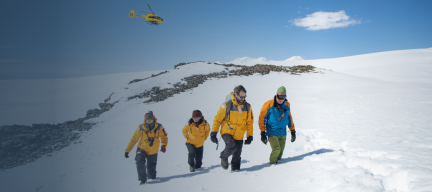
Learn About Ultramarine’s industry-leading helicopter adventure program
Business Development Manager Chris Hanna, Expedition Guide and Glaciologist Colin Souness, and Director of Helicopter Operations Felix Christians share highlights of Ultramarine’s industry-leading helicopter adventure program. Join the webinar to learn about Quark Expeditions’ heli-adventure program: • Unbeatable Polar Helicopter Experiences: Learn how our two twin-engine helicopters can take you further over the polar landscape than any other helicopter in its class, offering the largest portfolio of adventure options in the industry—including flightseeing, heli-hiking, alpine kayaking and exclusive heli-landing. • Most Experienced Crew: Learn what makes our helicopter crew the best in the Polar Regions. • Adventure Meets Luxury: Discover why these helicopters ensure guests will have a superbly comfortable flight—and are great for viewing the polar landscapes. • Industry-leading Polar Safety: Find out what makes our H145 helicopters the industry leaders in helicopter safety. • Advanced Sustainability: Learn about the sustainability features of the H145 helicopters.
Read Post
4 mins read
Raise a Glass and Stay Connected: Free Wi-Fi and Alcohol on Our Expedition Cruise Ships
Read Post

1 min read
Introducing the New Quark Parka
Read Post

6 mins read
Penguins on Ice: How a Hobbyist Captured an Award Winning Photograph
Read Post
Polar Learning Channel
See All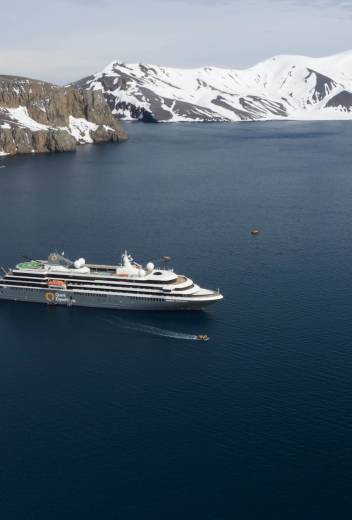
1 min read
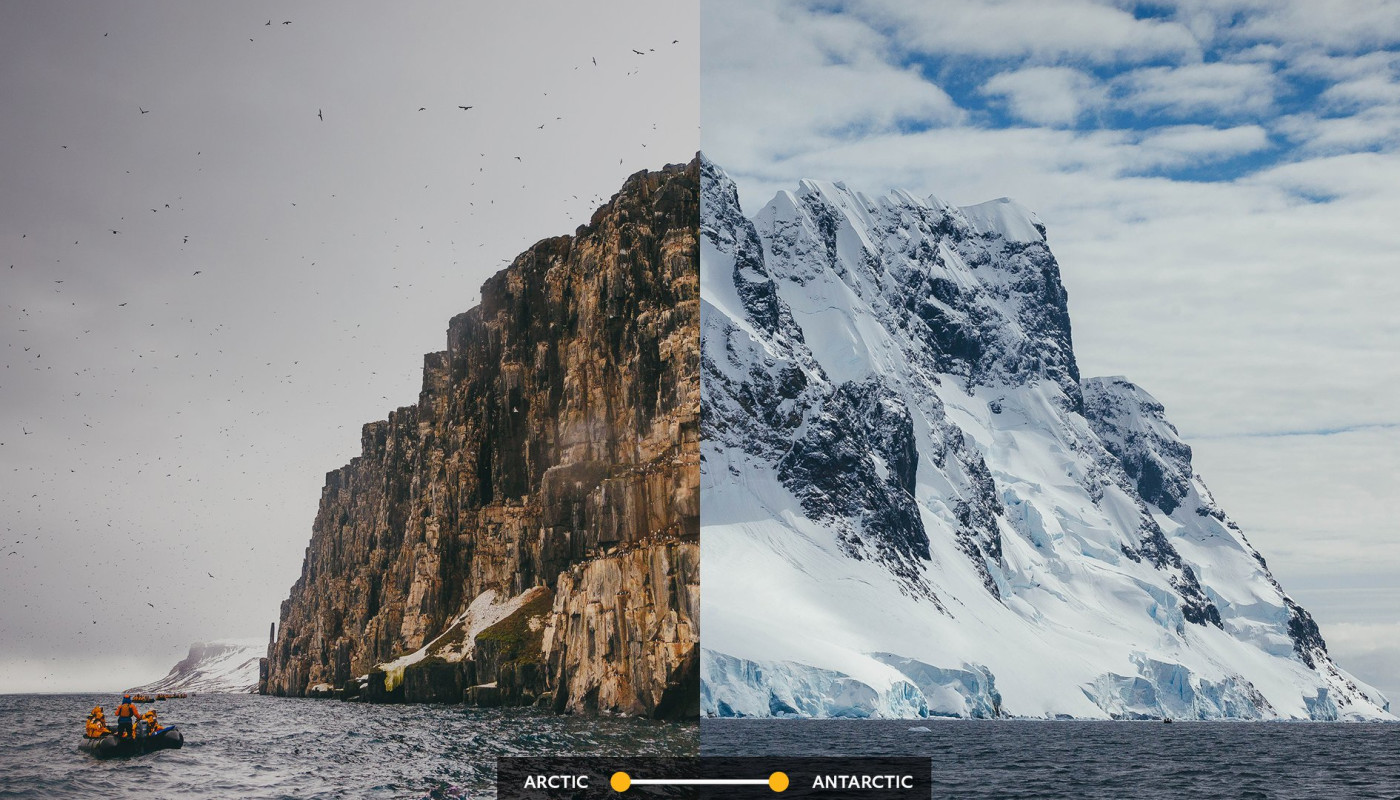
Arctic vs. Antarctic: Identifying the Differences
Do you want to head to the northern Polar Region to see polar bears and reindeer and visit Indigenous communities—or do you have a yearning to see thousands of penguins or perhaps venture beyond the Antarctic Circle in the southern pole? Presenter and expedition guide Nick Engelmann will help you choose between the Arctic or Antarctic for your first polar voyage.
Read Post
1 min read
The Curious Behavior of Marine Mammals
Read Post

1 min read
Conservation of Whales, Penguins and Petrels
Read Post

0 mins read
Botanist Samantha McBeth gets to the root of polar flowers
Read Post

4 mins read
10 Best Books about Early Polar Explorers
Read Post
Webinars
See All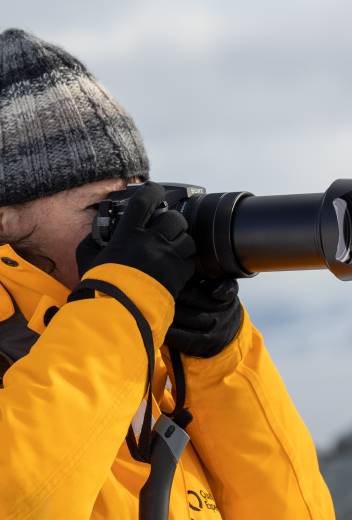
1 min read
World Photography Day: Shooting in the Polar Regions
Michelle shares her expertise in the field of photography, taking you through tips to help you identify the ideal photo opportunity, how to capture the best pictures on your phone, how to take the best wildlife photos, composition techniques, and how to choose the right camera. All to help prepare you to take the best possible shots during your adventure in the polar regions. Host: Michelle Sole, Photography Guide Michelle’s photographic work has been published in Africa Geographic and The Guardian. In her free time Michelle can be found somewhere in the wilderness with her camera in tow.
Read Post

1 min read
Fly the Drake
Read Post
1 min read
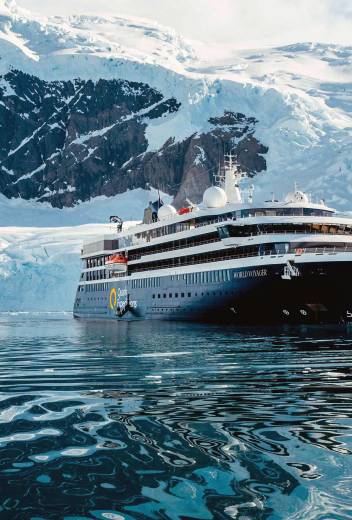
Get To Know Our New Ship: World Voyager
Read Post
1 min read
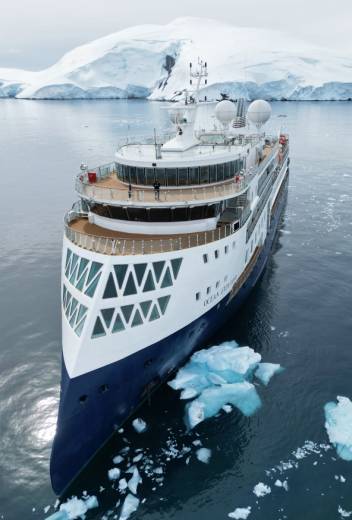
Introducing Our New Ship Ocean Explorer
Read Post
1 min read
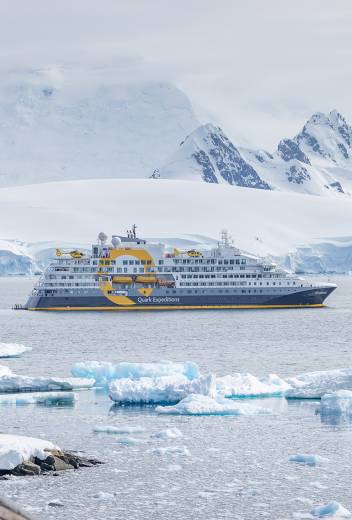
What’s So Cool About Early Season Antarctica
Read Post
Wildlife
See All
4 mins read
Bird Migration Stories: Barnacle Geese in Svalbard
Each spring, the skies above Svalbard come alive with a remarkable spectacle: the migration of barnacle geese. These elegant birds undertake one of the most extraordinary journeys in the natural world, flying thousands of kilometers from their wintering grounds in Scotland and the Netherlands to the remote Arctic Archipelago of Svalbard. For bird enthusiasts and wildlife photographers alike, witnessing this migration is an unforgettable experience. Svalbard’s high Arctic environment offers a unique combination of accessibility and pristine wilderness, making it a prime destination for observing Arctic birds in their natural habitat. Travelers from the USA, Canada, and Australia are increasingly drawn to birdwatching trips that coincide with the geese’s arrival. On Arctic expeditions, participants can witness the flocks navigating rugged fjords, nesting in cliffside colonies, and interacting with other elements of Arctic wildlife. The Journey of Barnacle Geese Barnacle geese are remarkable for their endurance and precision. Each year, they leave temperate regions in early spring, traveling non-stop across the North Sea and over the Greenland icecap. Their migration is guided by an incredible internal compass and visual cues, enabling them to arrive in Svalbard just in time to breed and raise their young in the short Arctic summer. Observing these birds in flight is not only awe-inspiring but also offers an opportunity to study natural behavior. For wildlife photography, capturing barnacle geese in formation, gliding over icy fjords, or landing near nesting grounds can result in striking images that tell a story of resilience and adaptation. The Spitsbergen Circumnavigation: Rite of Passage is one […]
Read Post
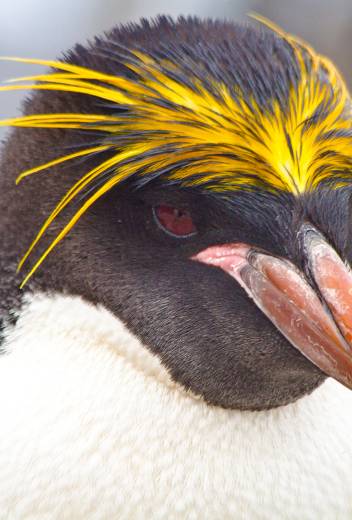
5 mins read
Wildlife Guide: Macaroni Penguin Facts
Read Post
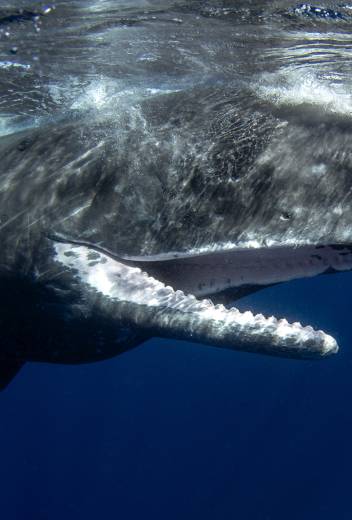
7 mins read
Wildlife Guide: Sperm Whale Facts
Read Post
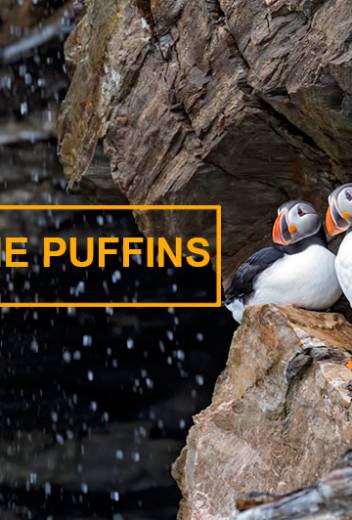
4 mins read
Meet the Puffins: Iconic Seabirds a Passenger Favorite
Read Post
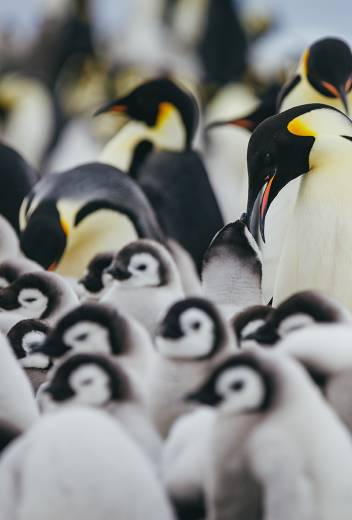
7 mins read
Wildlife Guide: Emperor Penguin Facts
Read Post